

Hospitality centres around the craft of comfort – from detailed amenities to room appliances, hotels are implementing new ways to accommodate travellers to curate better experiences. As the crave for these experiences extend, hotels look to new developments, not only within aesthetics, but an overall lifestyle. Properties back then were once hinged to branding and external appeal, but the true leaders now are those that offer a destination within their stay.
Famous luxury travel brands were once shaped by big names and big reputations: Hôtel Ritz Paris, Plaza Hotel New York, or The Beverly Hills Hotel. Staying at these renowned names embodied what it meant to live in luxury. Prestige hotel chains stood at the top of hospitality; iconic buildings that towered over landmark cities, an impeccable interior made by world class designers, and Michelin-starred restaurant just down by the lobby drew in affluent travellers as early as the 1900’s.
Where Luxury Took Shape
The pinnacle of luxury hospitality can be traced to the centre of Place Vendôme – The Ritz Paris held its grand opening in 1898 and was founded by Swiss hotelier Cesar Ritz who was strongly determined to present a property of maximum quality and comfort.
Designed to replicate 18th century lush French apartments, true luxury was translated through interior, as rooms were decorated in gilded furniture and rich textiles. The hotel quickly established itself as a key player through setting new benchmarks that weren’t present at the time: being the first in the world to provide electricity at every floor and including an en-suite bathroom in every room. Cultural icons at the time, including Coco Chanel and F. Scott Fitzgerald were famously based at the property for months and were given customised touches to their personal two-bedroom suites, still available today under their respective names. These exclusive celebrity touches earned the hotel high praise – further cementing The Ritz as the main root of luxury hospitality.
On the opposite side of the globe lies The Plaza New York, which opened in 1907 – situated right on Fifth Avenue, the hotel overlooks Central Park and offers unparalleled service, while serving a legacy that reflects the era’s most notable pop-culture moments. It became one of the first ultra luxury hotel appearances in Hollywood filmmaking, featured in films like Breakfast at Tiffany’s, Home Alone 2 and Sleepless in Seattle – pushing The Plaza’s status as New York’s established staple – presenting a symbol of not only luxury, but culture.
On the West Coast, the Beverly Hills Hotel shares the same tier of fame, immortalised in Hollywood culture through films such as California Suite, and Shampoo, film industry legends like Marilyn Monroe and Elizabeth Taylor frequented the hotel. Being a big part of celebrity culture, the clubs and lounges have also been known to be a discrete celebrity hotspot, earning credibility for not only its service but the luxury of privacy.
Although undeniable luxury is a standard in all these properties, there is one common factor that has been amplified: privacy. Despite the nature of the respective locations being in the city centre, these hotels have yet to undermine the importance of maintaining the privacy of their guests. As celebrities and top tier clients head in for their stay, assets that are considered luxury or high value doesn’t necessarily come tangibly. Especially with higher demands of hotels, opulent exterior and premium comfort may be easy to replicate, but what’s harder to offer is the power of being able to move in private.
The Power of Privacy: Reshaping Luxury Through Seclusion
Modern luxury hotels have increasingly turned to tackle this core concern spotted more among high-net-worth travellers: the craving for privacy without eliminating the freedom to roam. This shift means more destination-focused properties – remote, low-access, and a sophisticated approach in building seclusion.
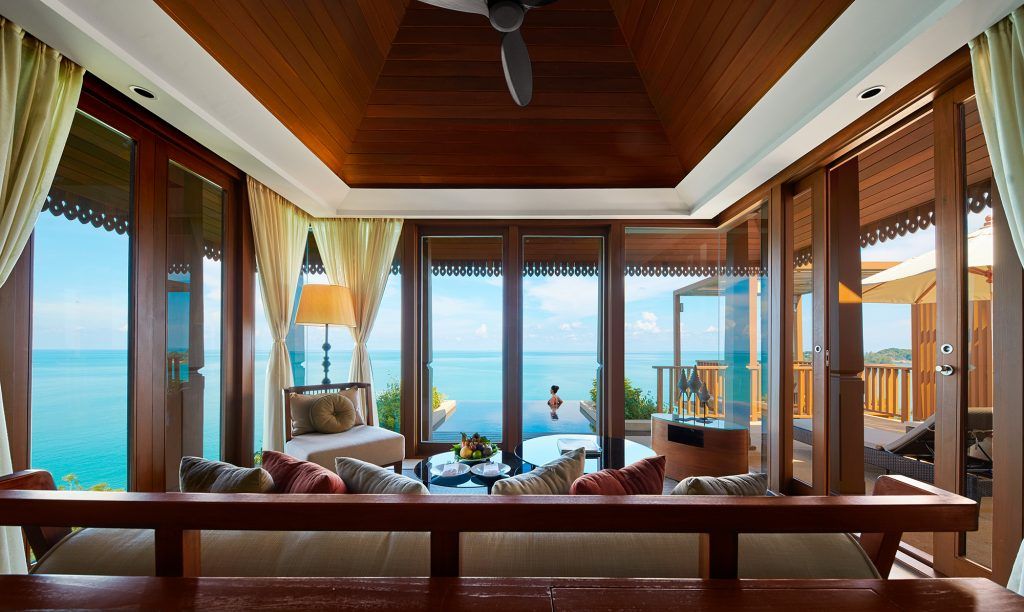
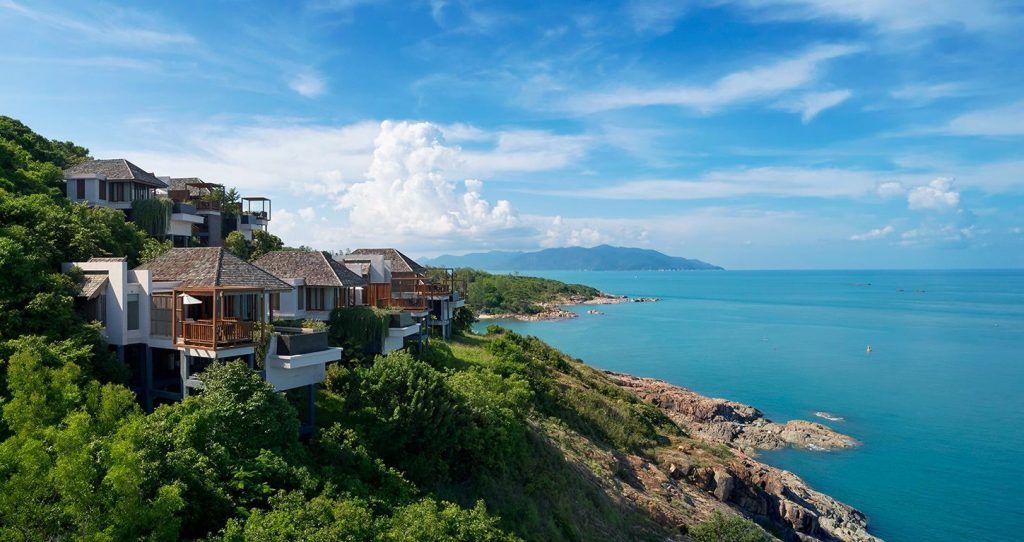
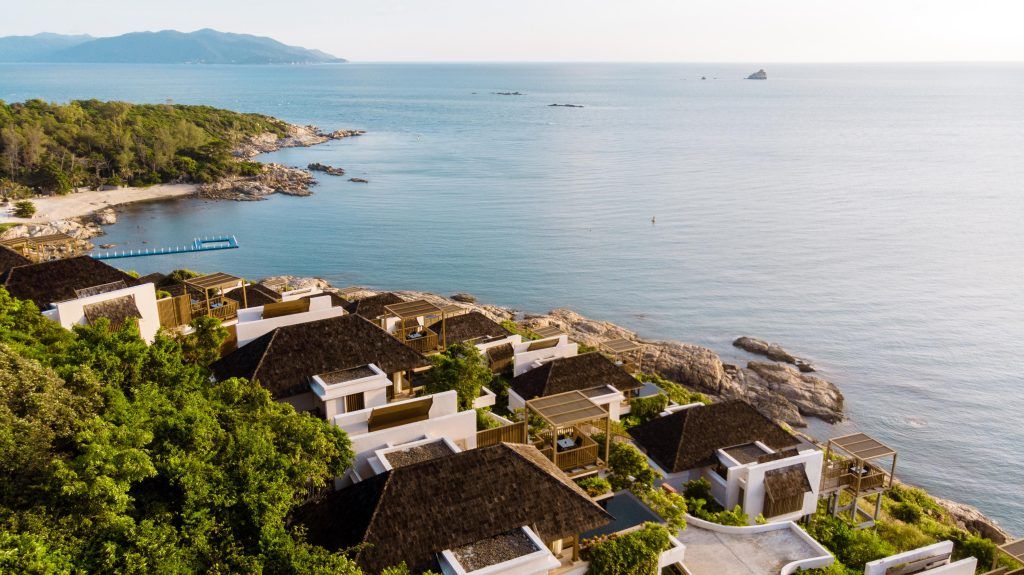
“UHNWIs value three things: privacy, time, and trust. We commit to ensuring all these factors through efficient processes such as relationship building, storytelling and intention. By earning their trust, it leads to loyalty and repeat stays, and hopefully a good word-of-mouth, that’s our main goal,” says Tanzie Wong, General Manager of The Ritz Carlton, Koh Samui.
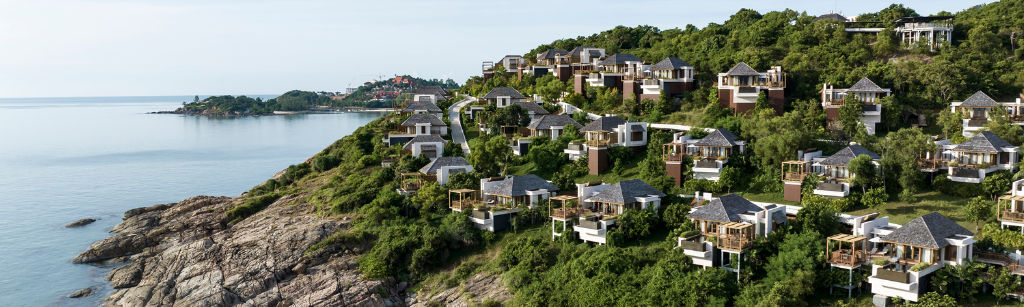
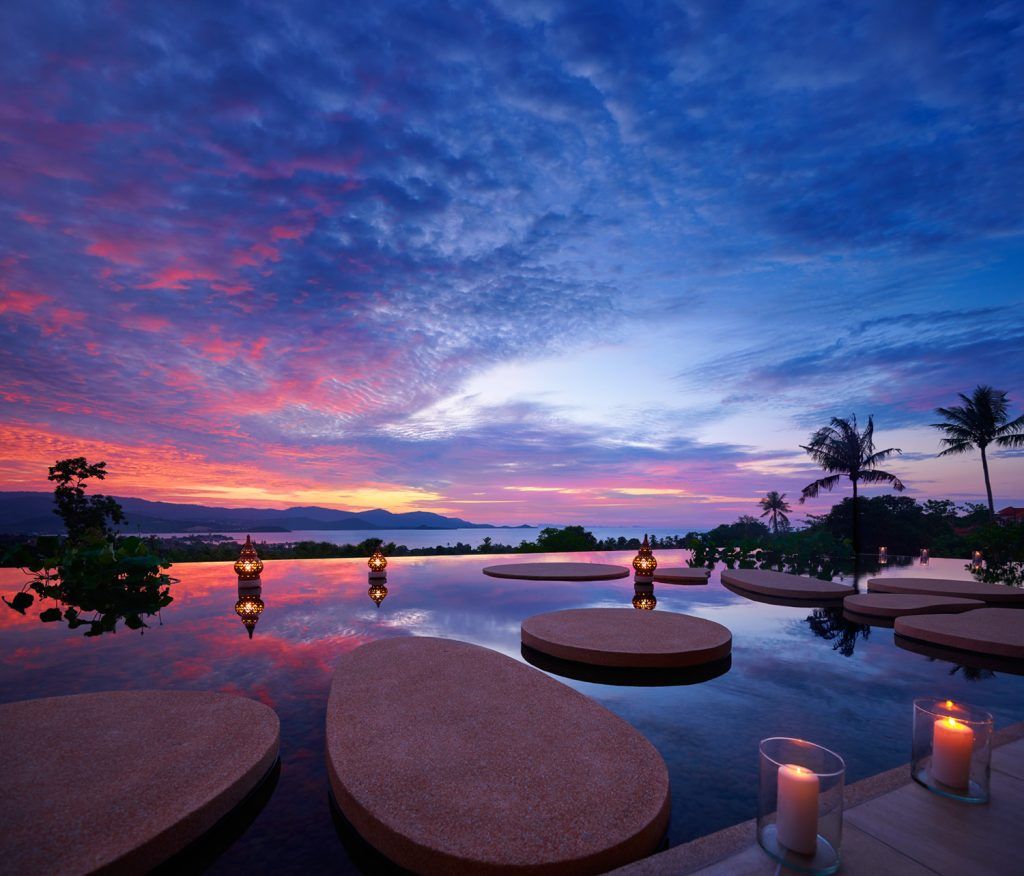
With over 58 acres of land, The Ritz-Carlton, Koh Samui have created a tropical haven for guests to experience not only local tradition, but qualified wellness and fitness programs. “From pre-arrival interactions to genuine conversations during their stay, we aim to form real emotional connections between our guests,” Wong adds. “The travellers we observe today seek privacy. They want that sense of escape. We want them to leave feeling transformed.”
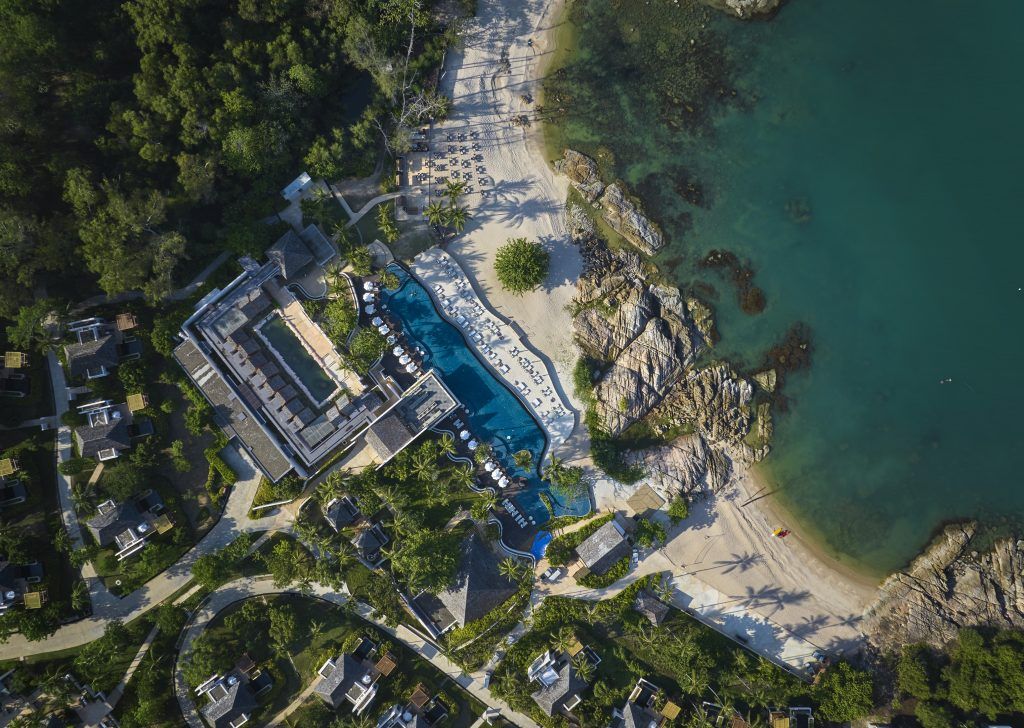
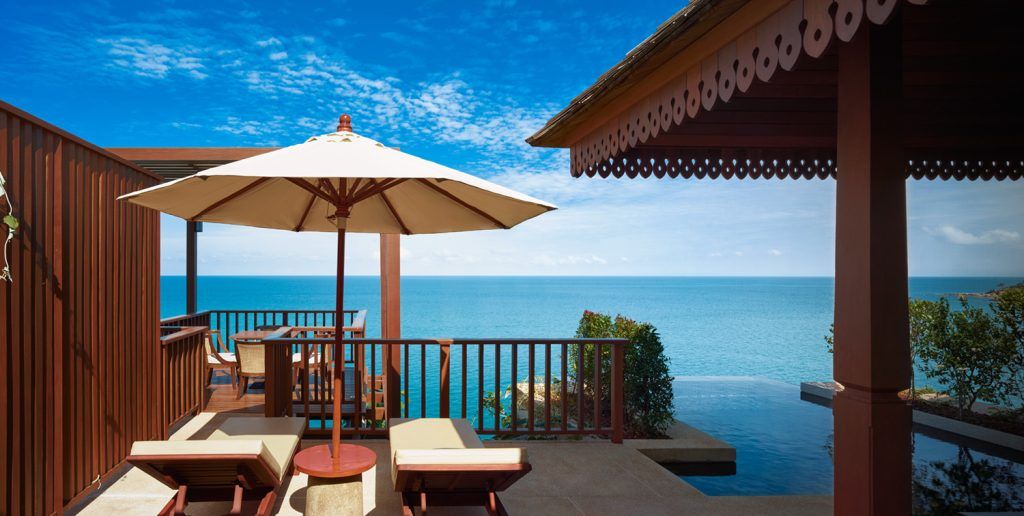
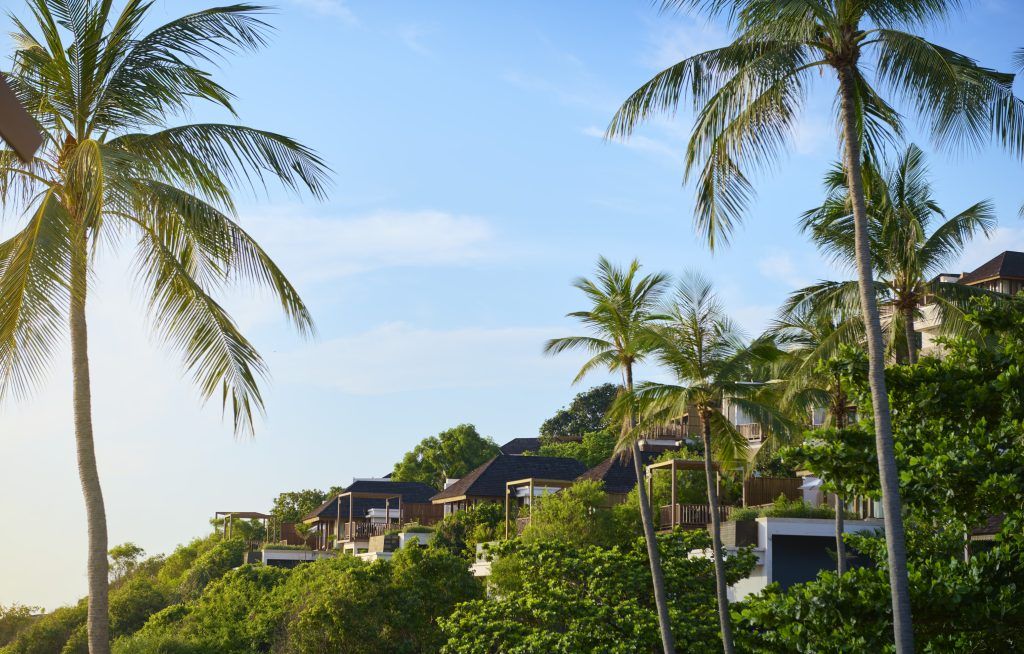
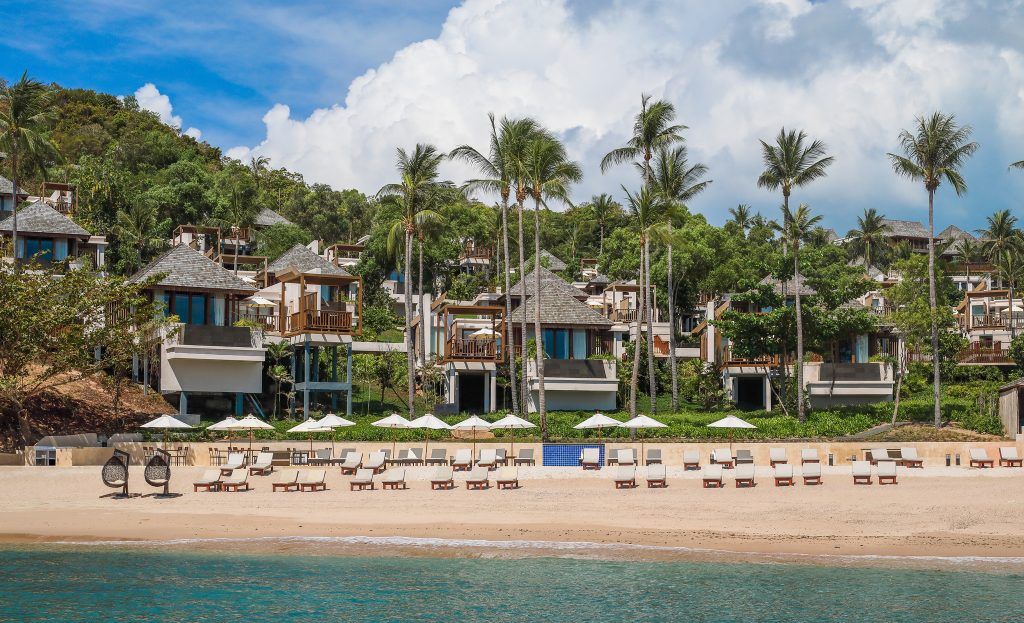
One of the pioneers of this location-driven approach in hospitality is Aman Resorts, who launched their version of ultra luxury through Amanpuri; the first of the Aman collection. Nearly inaccessible to non-guests, Amanpuri resides on a hidden peninsula surrounded by tropical terrain with secluded pavilions that offer a private view of a coconut grove. The property provides a range of beach activities such as diving, hiking, and other water sports – presenting an all-rounded stay for the standard luxury traveller.
Similarly, perched in the middle of Nui Chua National Park, Amanoi allows guests to exclusively take in views of the UNESCO biosphere reserve. Taking on a similar approach with Amanpuri, the Vietnamese edition turns the standard isolated getaway of Aman into an official wellness sanctuary – packed with a variety of wellness programs that take inspiration from the organic landscapes healthily residing in this protected area.
Wong elaborates further on a stay that remains comprehensive but accurately pinpoints local culture: “We must understand that hotels aren’t just simple stays. Today, hotels have become destinations for guests to experience the hotel holistically. We’ve shifted from a standardised approach to a localised approach,” she says. “All Ritz-Carlton properties share the same philosophy; to make guest experiences memorable, but Samui’s culture changes how we express this.”
Pushing the boundaries even further is the Shebara Resort which opened in 2024. Located on the Sheybara private island in the Red Sea, the resort is a low-density retreat that spans 73 stainless steel, overwater villas across an untouched island. Despite its tranquil surroundings far away from the metropolis, Shebara incorporates urban modernity through its futuristic designs, shaping each villa into a pod-like structure. The resort also commits to sustainability practices, ensuring regenerative principles such as a dedicated solar farm for UHNW travellers who prioritise low-impact travel. The private beachfront resort presents absolute discretion, and a stay away from the main crowd while remaining a destination embedded into the geography itself.
Despite big cities and big names, these properties demonstrate the importance of geographic opportunities and how they serve the expectations of high-profile guests, who seek not only high privacy, but an experience like no other. Therefore, hotel developers must consider not only the precise location of where a property is built, but how that location can nurture and elevate guest experiences. This has become the main attraction of modern-day travellers – something they are willing to pay for: location and emotional comfort.
The Travel Within The Stay – A Full Packaged Vacation
For luxury travellers who prefer a self-planned journey, several property developers have crafted meticulous vacation premises that aren’t only valued for its innovative architecture, but its redefinition of a “stay”. The Matetsi Victoria Falls is a luxury lodging property in Africa, sitting on the vast reserve upstream from Victoria Falls. The lodge combines a private safari journey along kilometres of the Zambezi river – an iconic picturesque landscape in Zimbabwe. Spacious rooms within the lodge makes it available for hiring private guides, chefs and butler service, which lets guests take over the entire space, making it their own private home base for the period.
Real estate developer NOT A HOTEL Group has revolutionised the ownership of properties during a vacation stay by allowing guests to own a stake of the property – with a given 30-day stay duration. This new hybrid hospitality model where travellers can purchase fractional ownership of modern villas located in Japan’s most coveted settings while the brand manages all necessary maintenance and security measures. Unused nights within the 30 days can also be used across other properties under NOT A HOTEL, enabling guests to explore and rotate around location-driven spots – from cliffside alpine retreats to snowy hideaways. Targeted towards discerning travellers who value not only privacy, but permanence – this hospitality model sets new frameworks for property brands to establish new ways their guests could stay, offering both emotional and experiential return.
NOT A HOTEL group has recently launched their newest property project in Rusutsu, Hokkaido, set upon a hidden snow-topped mountain in the North of Japan – continuing the brands vision of luxury. Designed by Norwegian architecture studio Snøhetta, NOT A HOTEL’s Rusutsu property captures panoramic views of Mount Yotei and an exclusive access to the country’s most renowned location for powder skiing. Like the brand’s other developments, Rusutsu shares similar qualities, with all structures being design-driven, the units become highly sought-after not just for the aesthetics, but for its tranquil surroundings.
These two prime examples of location-driven properties add on to the changes in modern luxury hotels and their successful attempts to satisfy travellers’ desire to stay in secluded, yet experiential accommodations. With lesser rooms and harder access for the mass audience, the experience, from booking rooms to the vacation itself becomes more exclusive overall.
BurdaLuxury’s Lens
Not only hotels, but property developers worldwide are racing to understand what today’s travellers genuinely value – one thing is for certain: privacy, exclusivity and a well-rounded experience is something that comes with an unlimited price tag. As these factors aren’t quantifiable or as easily measured in price as opulent products, properties are pushing to better the standards of privacy and exclusivity every day to make stays feel more like home and less like a temporary escape.