

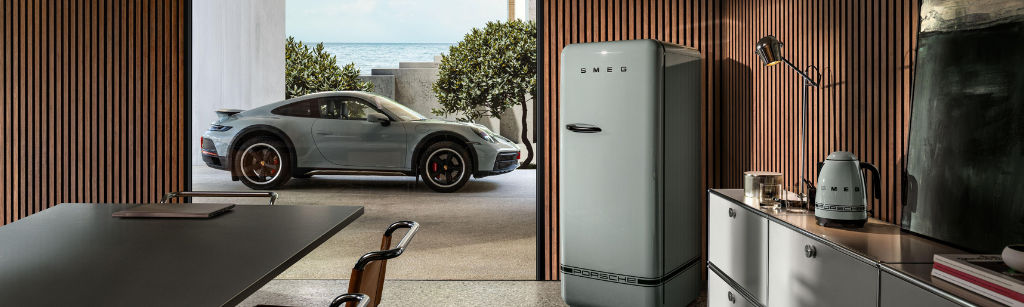
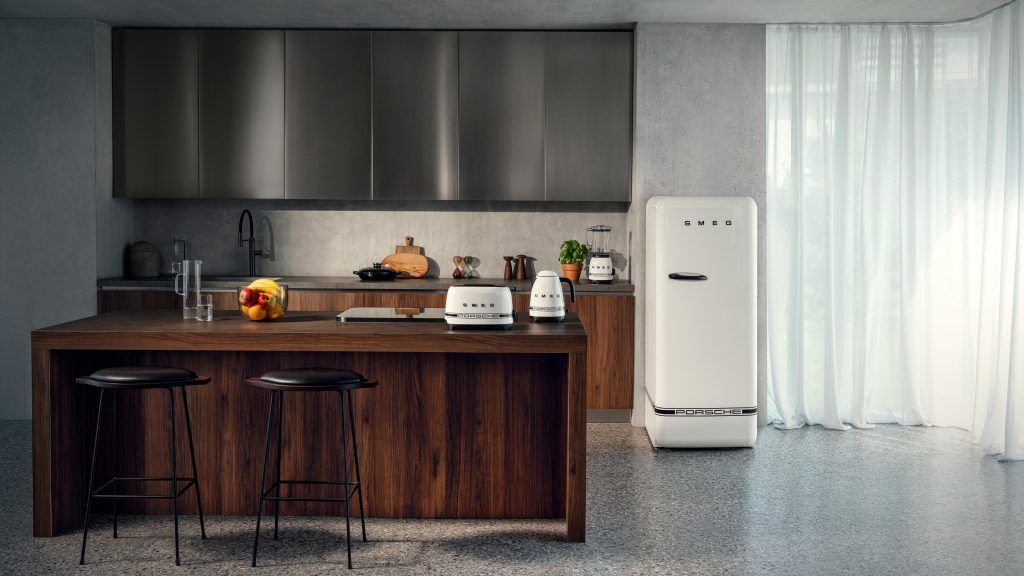
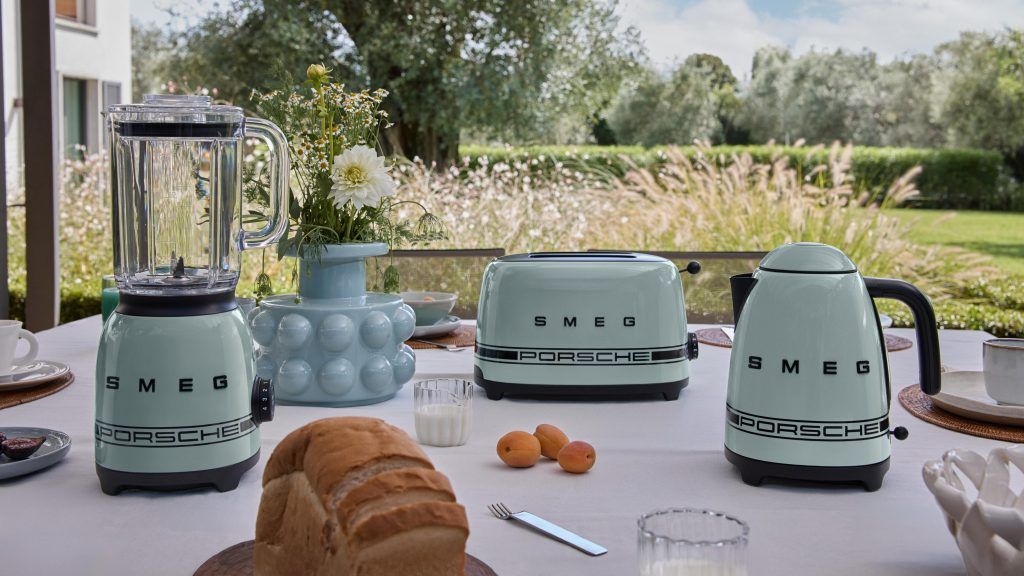
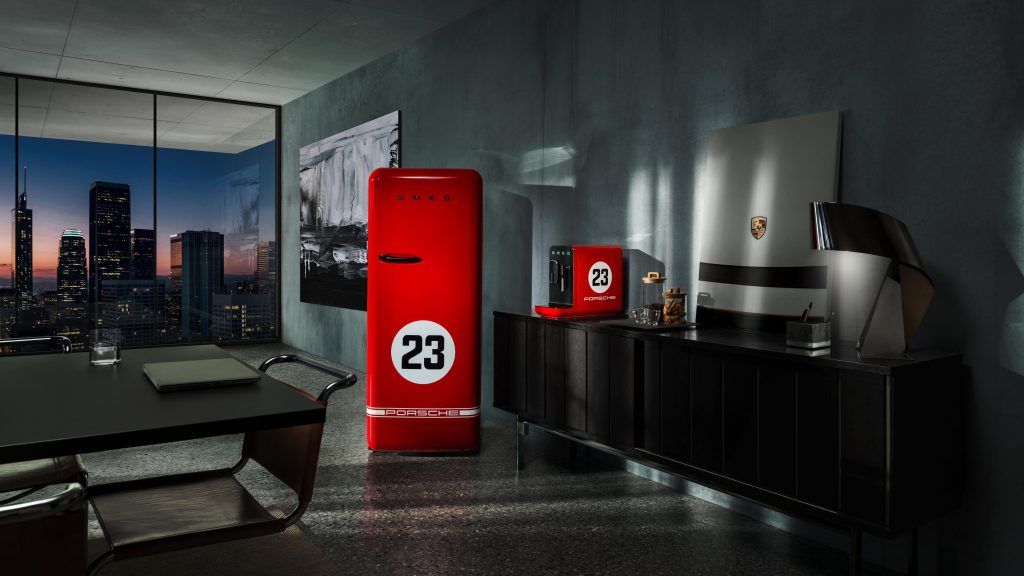
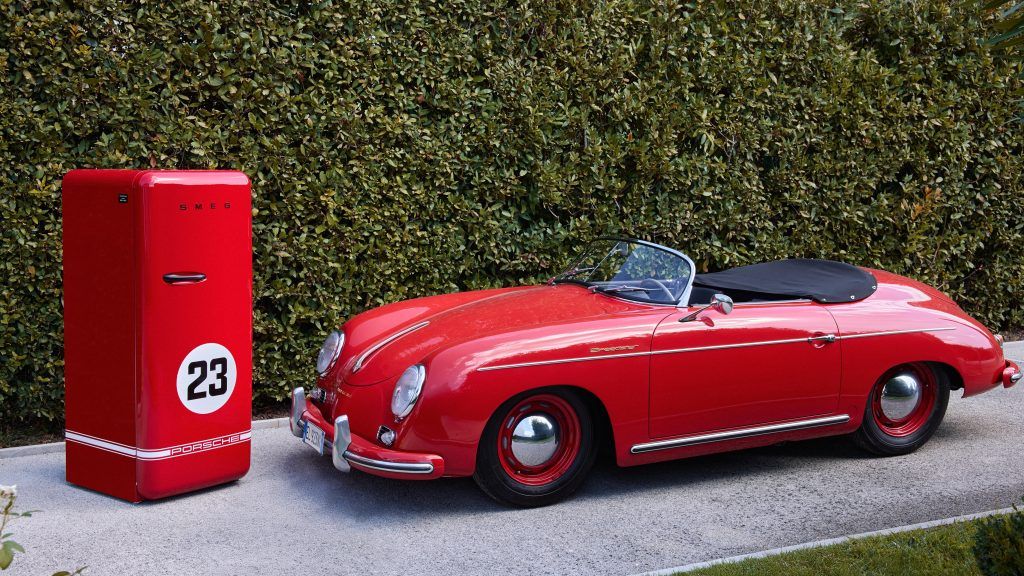
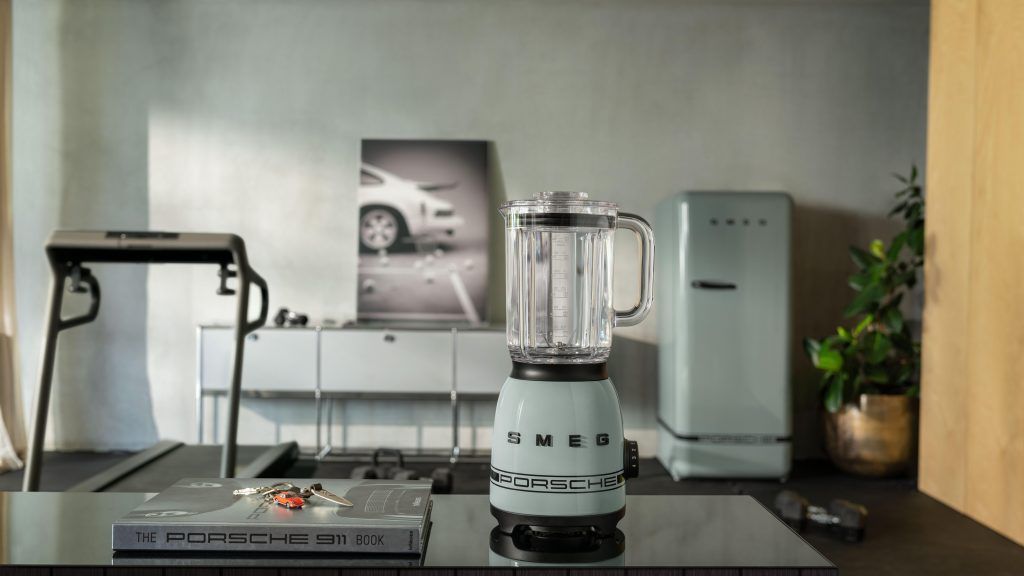
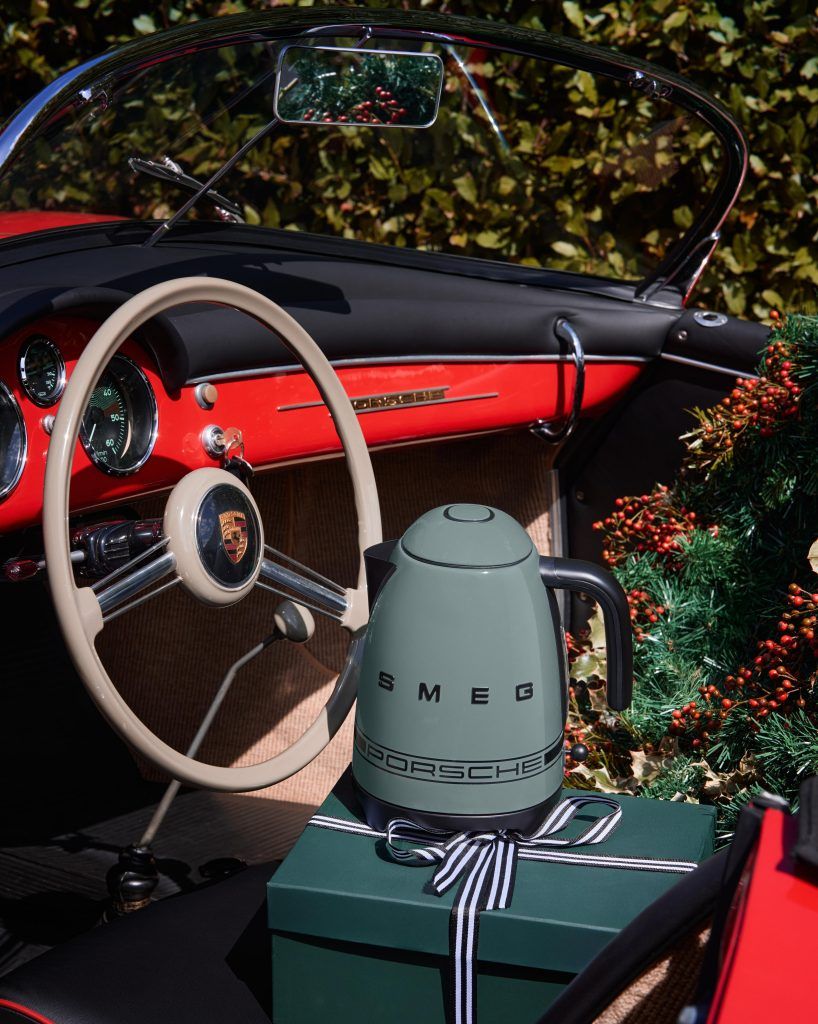
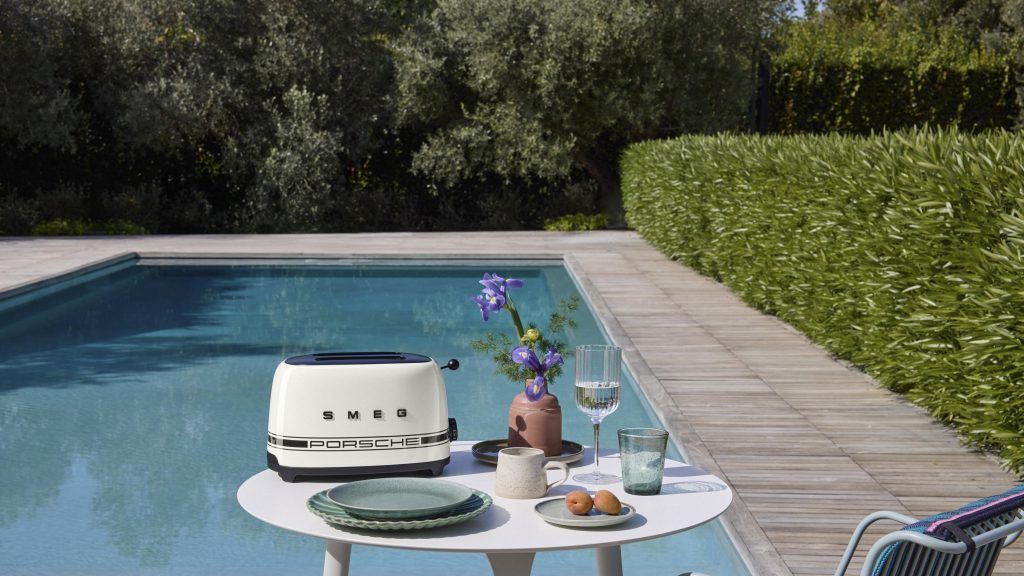
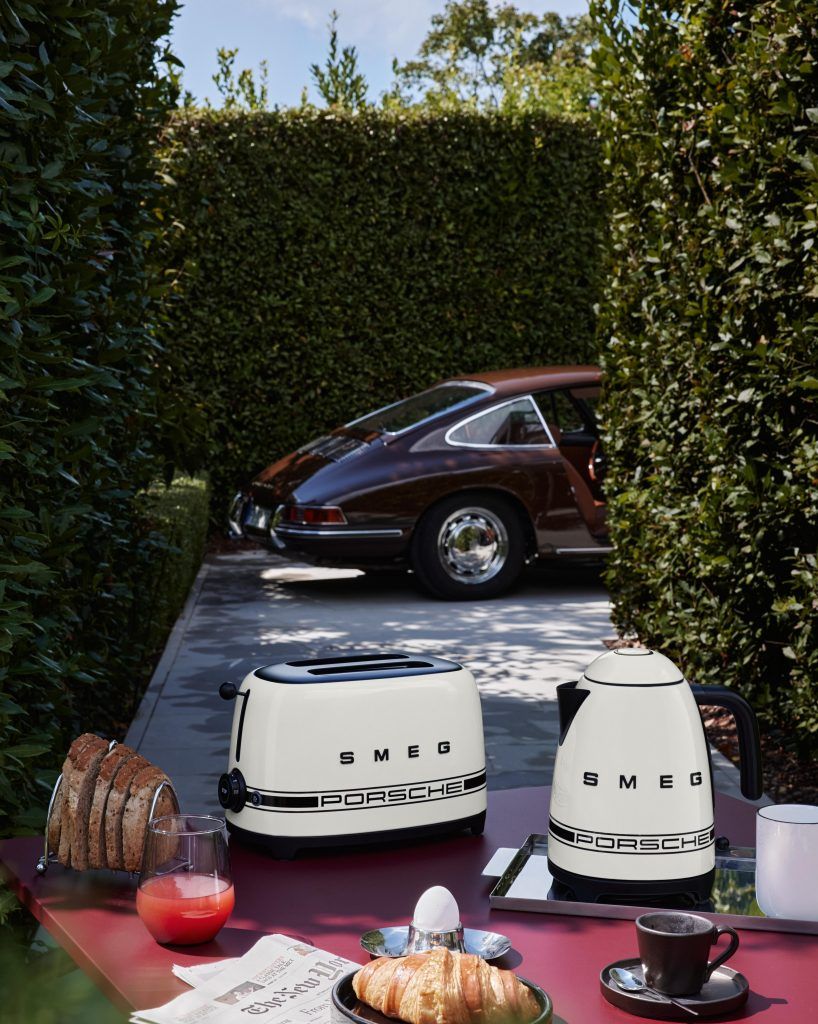
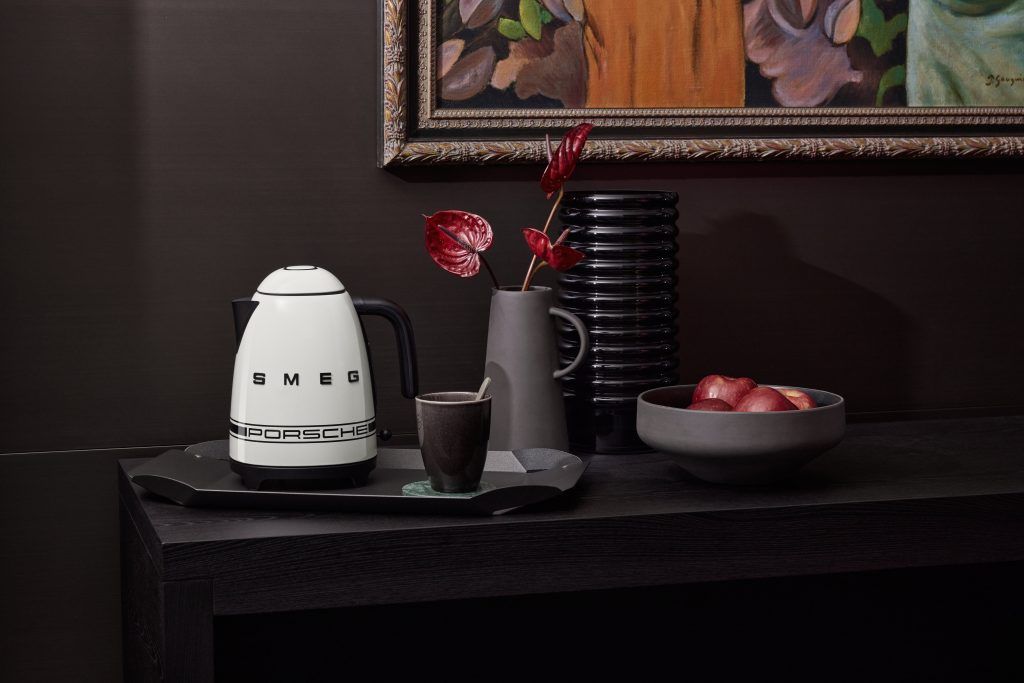
In October, Porsche and Smeg unveiled a collaboration that blends the roar of the racetrack with the quiet rituals of the kitchen, reimagining everyday appliances through motorsport heritage and Italian design. Anchored by a limited-edition tribute to the Porsche 917 KH – the Salzburg-red icon that secured Porsche’s first Le Mans win in 1970 – the collection includes a numbered FAB28 fridge and bean-to-cup coffee machine wrapped in racing stripes and matte-black accents, joined by two additional ranges in Carrara White Metallic and Shade Green Metallic that reinterpret Porsche’s signature hues across toasters, kettles, blenders, and more. It’s a striking example of how kitchenware has evolved far beyond function to become a modern status symbol, where craftsmanship, nostalgia, and design converge in the everyday theatre of the home.

The Rise of Aspirational Domesticity
So how – and when – did this happen? Kitchenware has long been an important part of the home design process, but showing it off became even more prominent during the pandemic. With Zoom calls, cooking content, baking reels, and at-home meal rituals, kitchens were no longer hidden. Ever since, the demand for cookware, bakeware, and small appliances has been surging as people cook at home more often. Industry reports now estimate the global kitchenware market – from cookware and tableware to appliances – to be worth about USD 72.8 billion in 2024, with expectations to grow to USD 109.7 billion by 2034 at a CAGR of around 4.2%.
Tablo Limited, which distributes premium made-in-Italy kitchenware across Asia‑Pacific, sees the shift first‑hand: “Customer interest in design‑led kitchenware has shifted from being a ‘nice‑to‑have’ to a genuine decision driver. Both consumers and hospitality teams treat these items as part of the brand story, not just back-of-house utilities,” Vincenzo Dubla, Tablo’s director and founder, tells BurdaLuxury. He notes that in 2023, the Asia‑Pacific kitchenware market alone generated some USD 26.4 billion, and expects strong growth through 2030 – driven by premium and design‑forward demand.

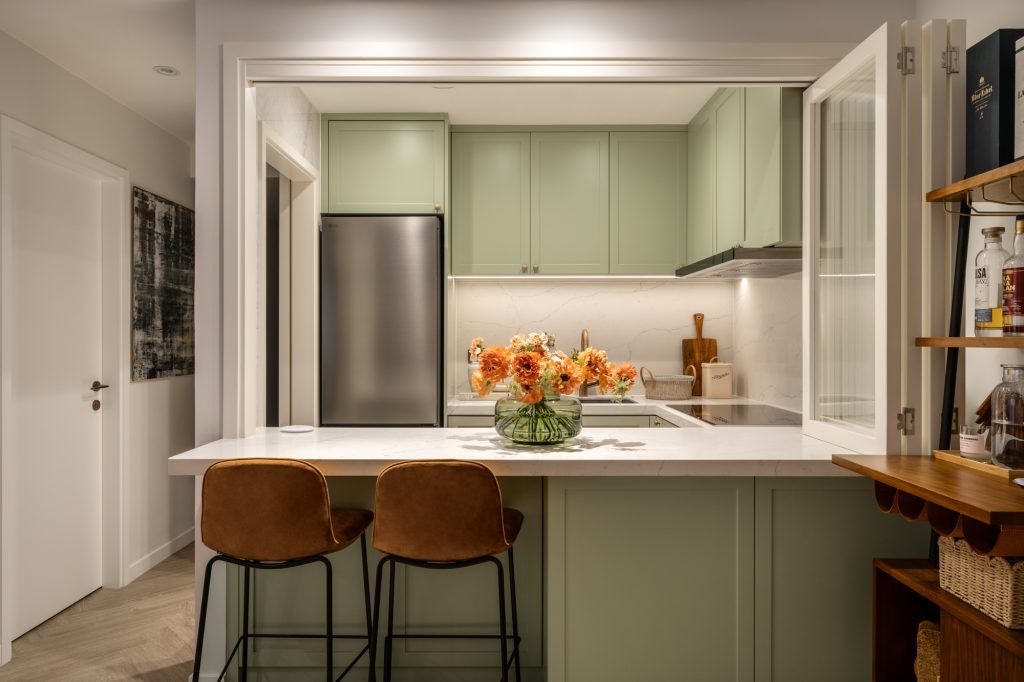
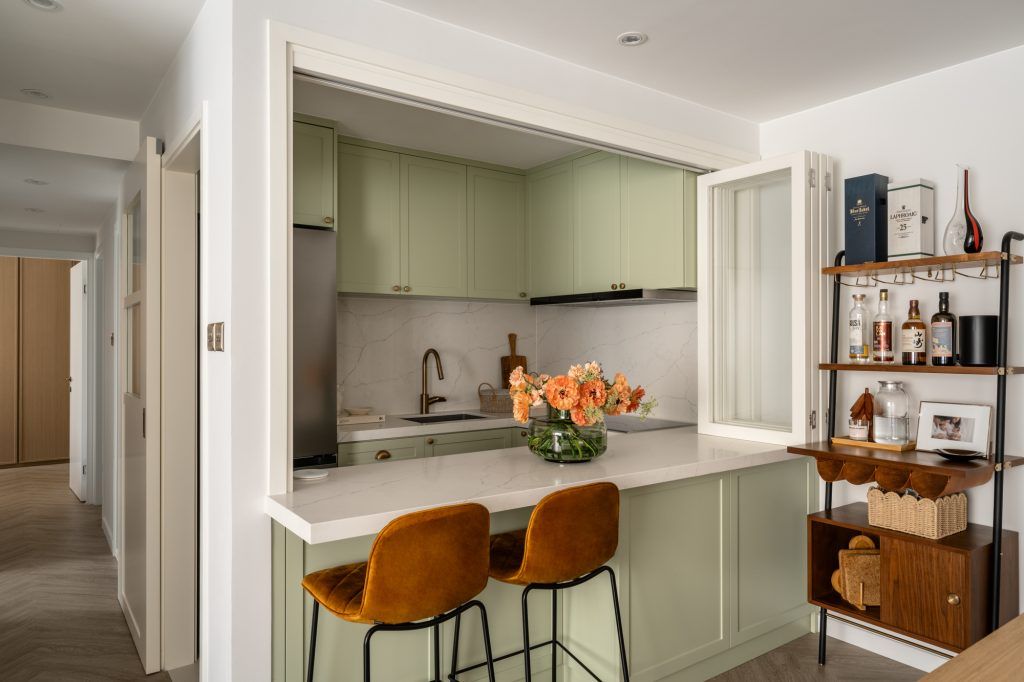
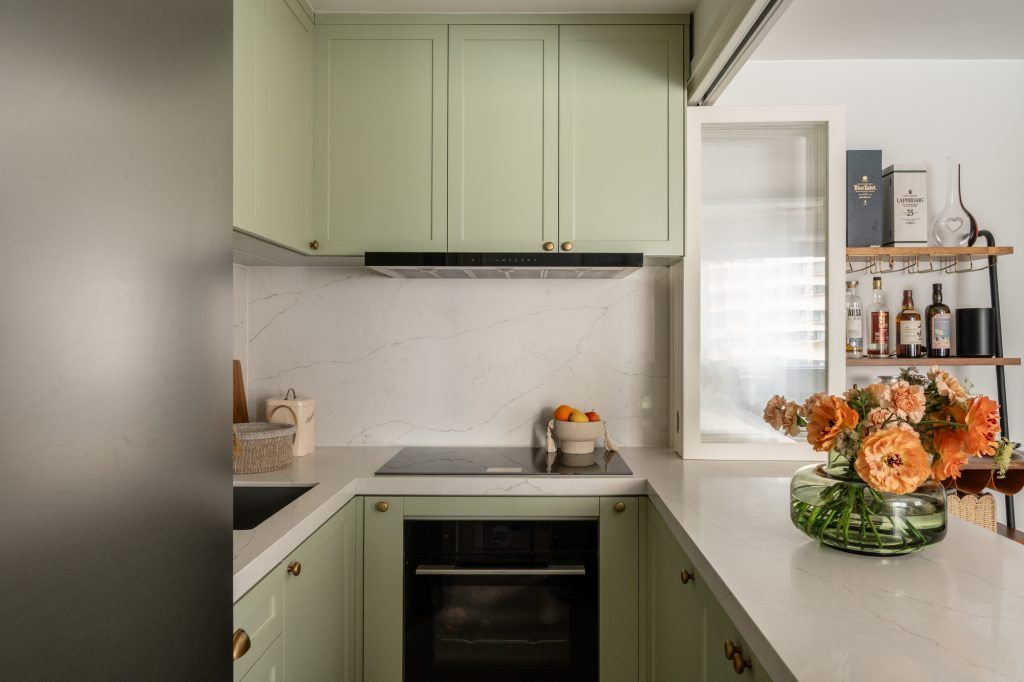
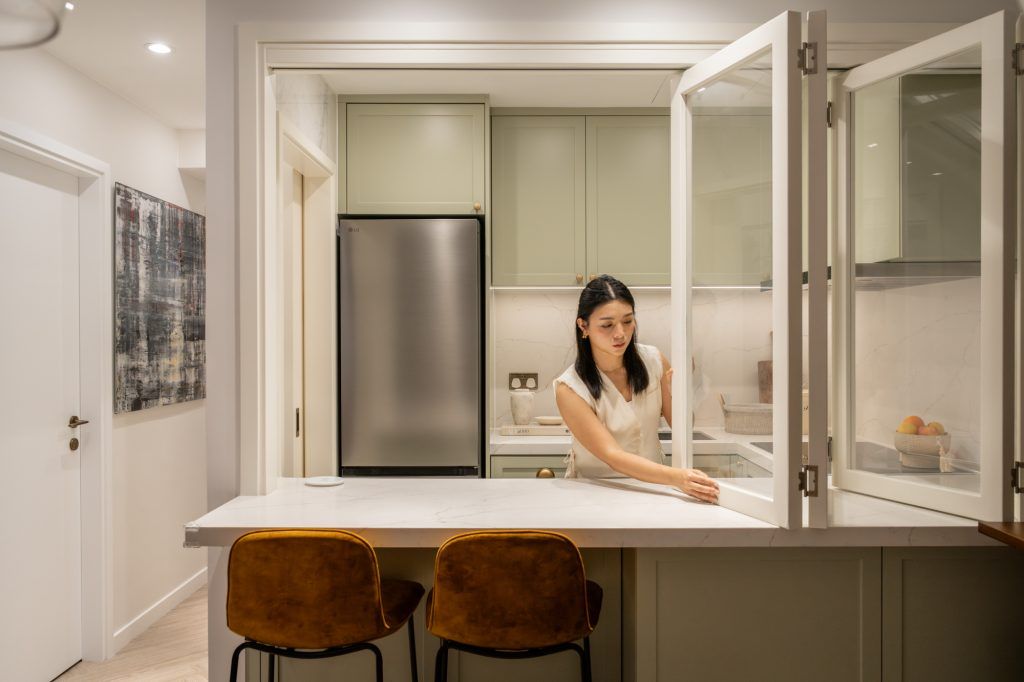
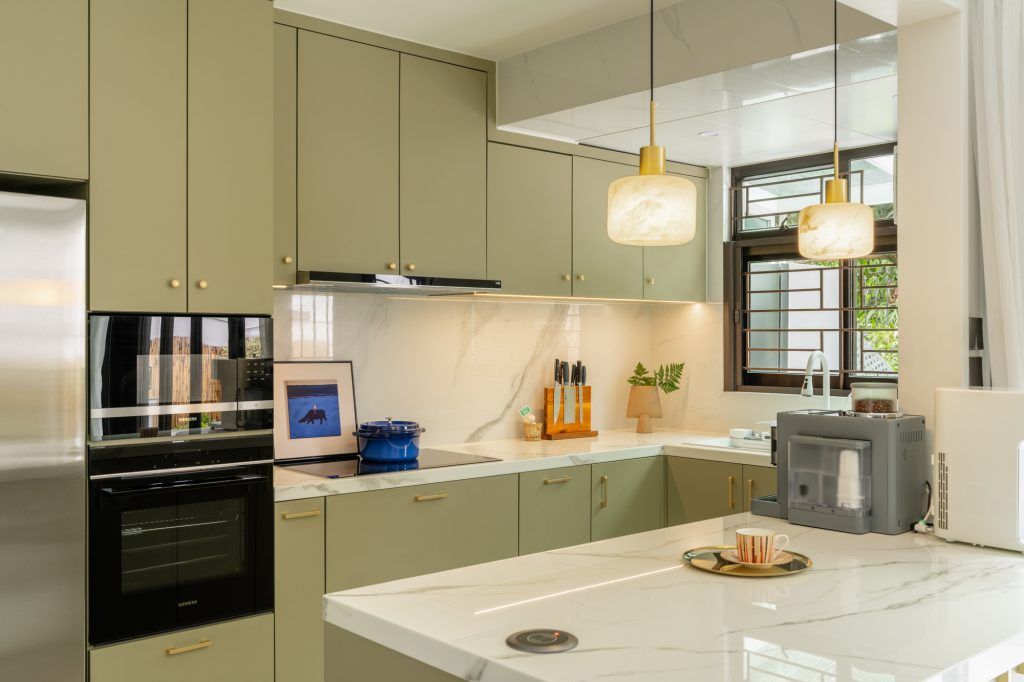

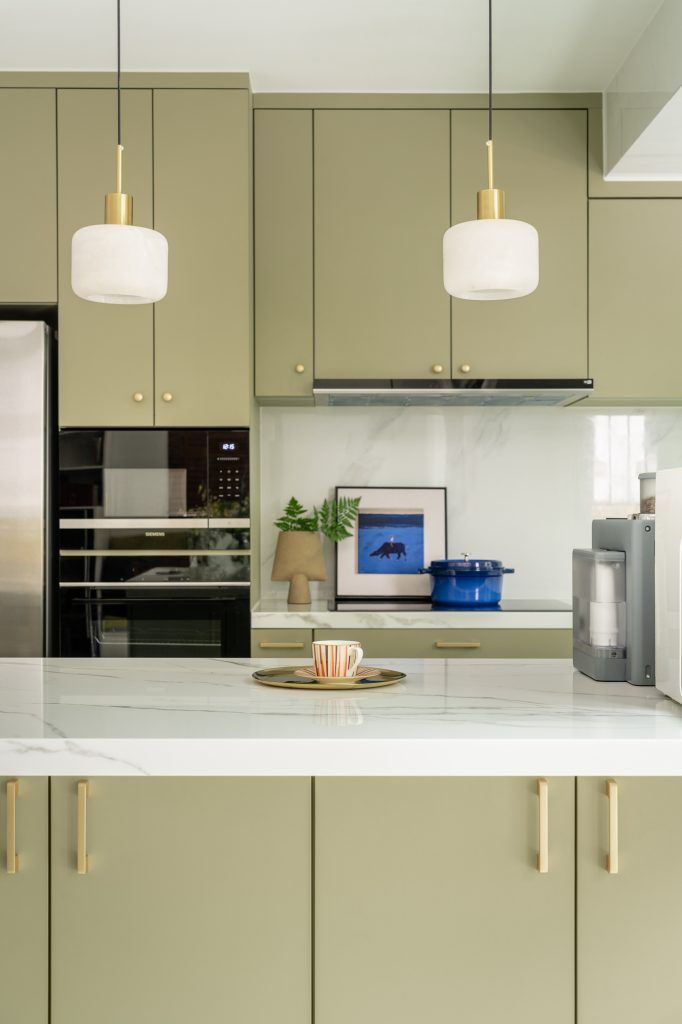
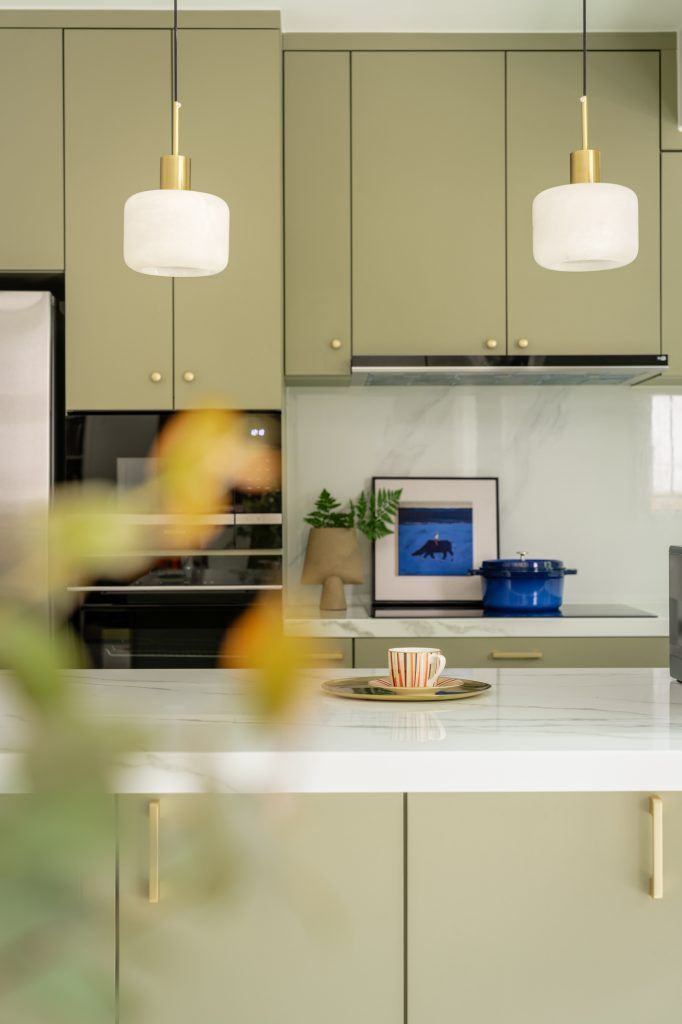
Fion Lee, the co-founder of interior styling brand Editors Company, says that kitchenware has always been a status symbol since the 1950s. “Somewhere along the way, that lustre faded for pure practicality, but it’s definitely having a moment again,” she says. “With so many open kitchens, the things we use every day kind of need to look good, too. I also think there’s a shift toward pieces with a story or a sense of craftsmanship. It’s why people love their Le Creuset or go hunting for artisanal knives. It’s a way of signalling taste through sustainability, thoughtful sourcing, and not always choosing the mass-produced option.”
In daily life, that means a fridge no longer hides behind a cabinet door; a kettle sits proud on a marble countertop; a toaster isn’t shoved in a drawer – it lives as part of the décor. Kitchens have become living rooms, music rooms, café corners, and display spaces all at once.
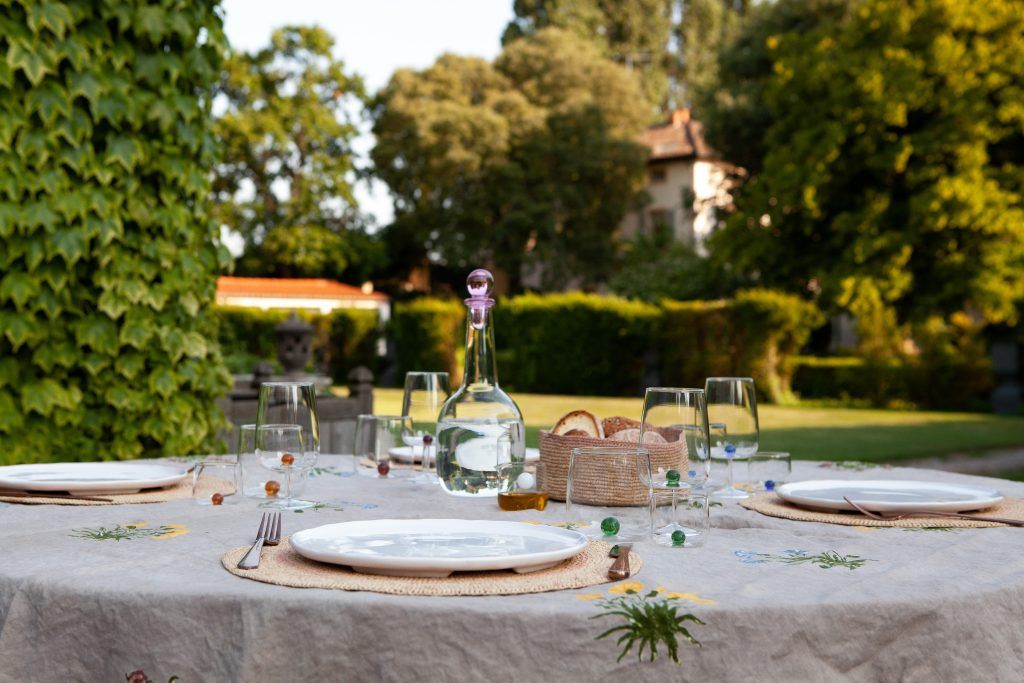
The Home Cooking Flex
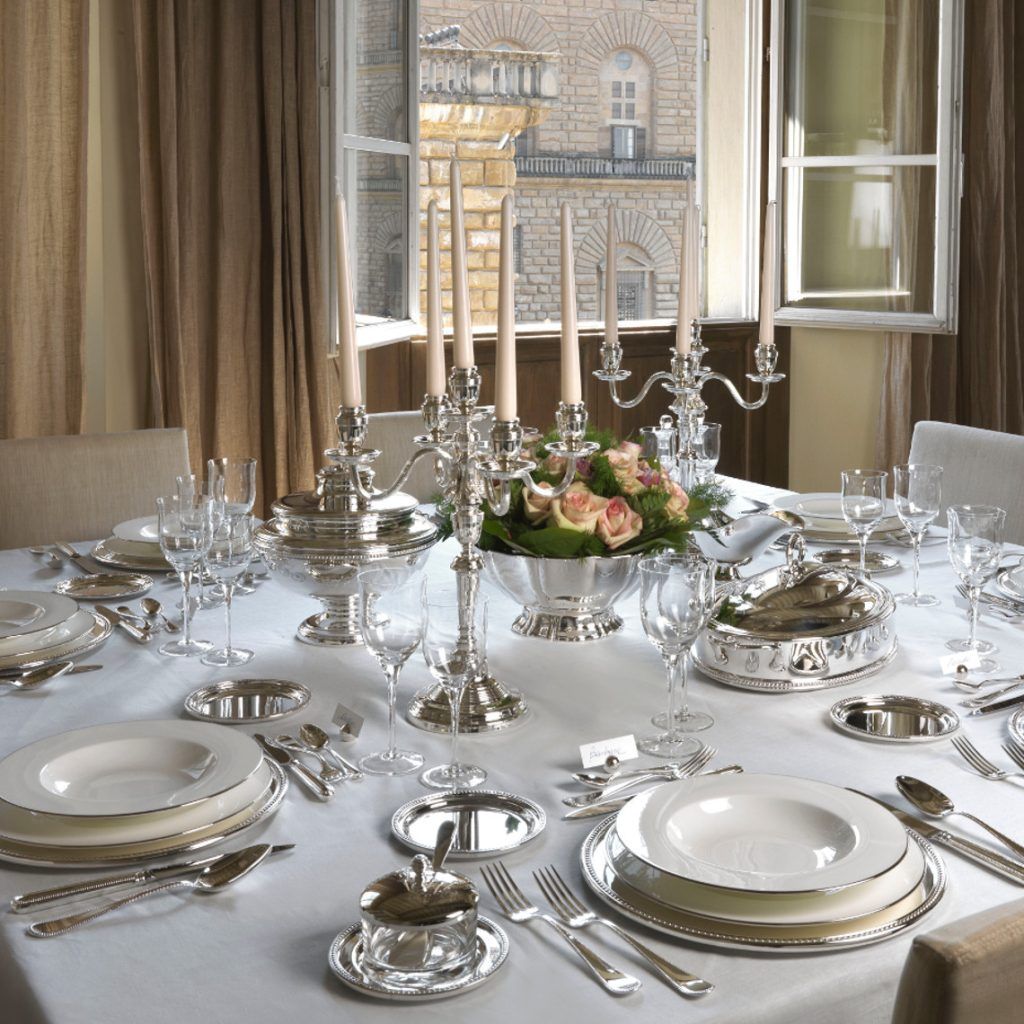
As kitchens become more visible, home cooking transforms from necessity to performance. People don’t simply prepare meals – they stage them, photograph them, share them. High‑end kitchenware becomes a medium for expressing taste, education, wellness, and even cultural literacy.
David and Sarah Ross, co-founders of luxury homeware accessories brand Addison Ross, describe the shift as deeply personal. “It’s no longer enough for something to simply work well; it needs to feel beautiful, design-led, and reflective of the owner’s taste,” they tell BurdaLuxury. “Colours, silhouettes, materials, even the way pieces layer together across a tablescape – all of this contributes to a sense of identity.”
At retail, there is clear demand for pieces that marry beauty and function. Town House, a Hong Kong-based store that sells designer homeware and kitchenware, echoes this. Their collection “has always been “aspirational yet still affordable for families wanting colour, joy, and unique stories in their homes,” Neel Hotwani, head of retail operations and marketing, shares with BurdaLuxury. Hotwani positions kitchenware as both accessible and aspirational – bridging the gap between everyday practicality and lifestyle aspiration.
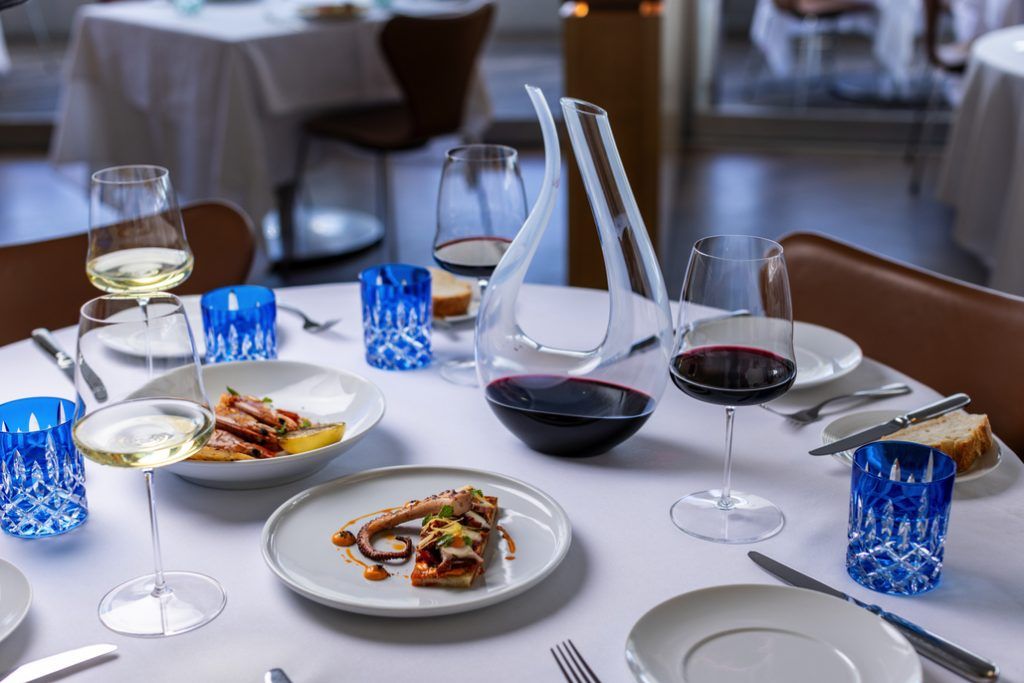
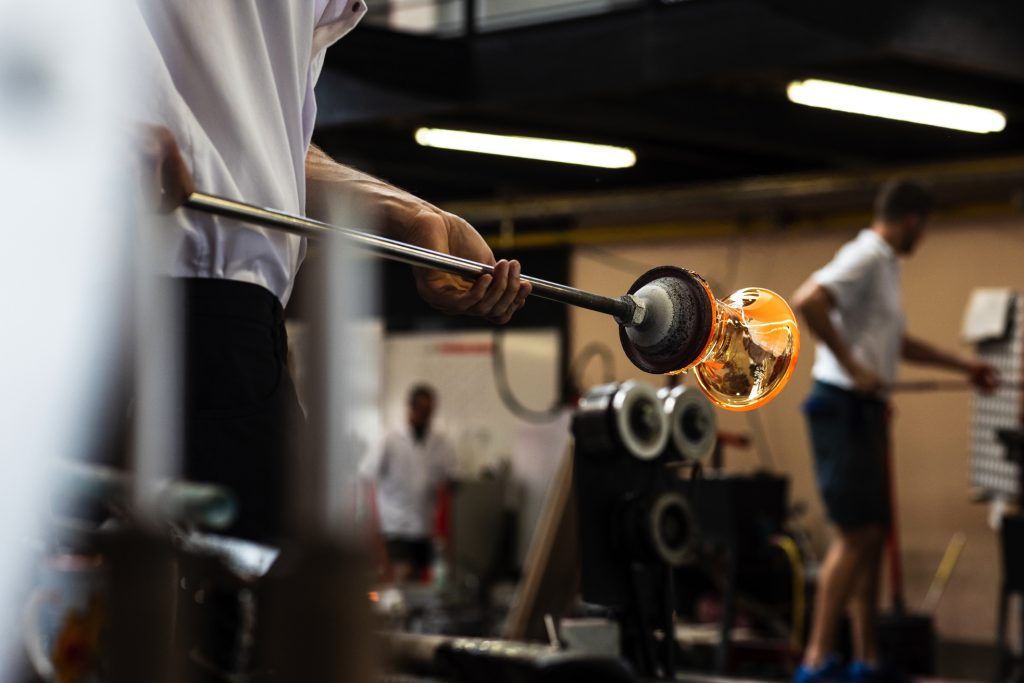
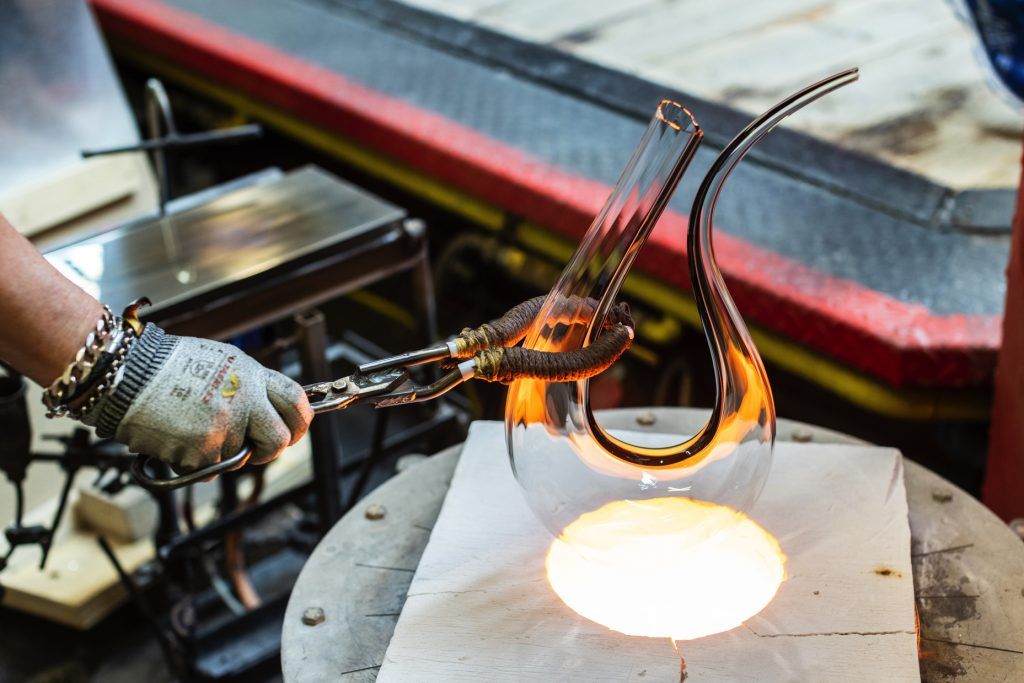
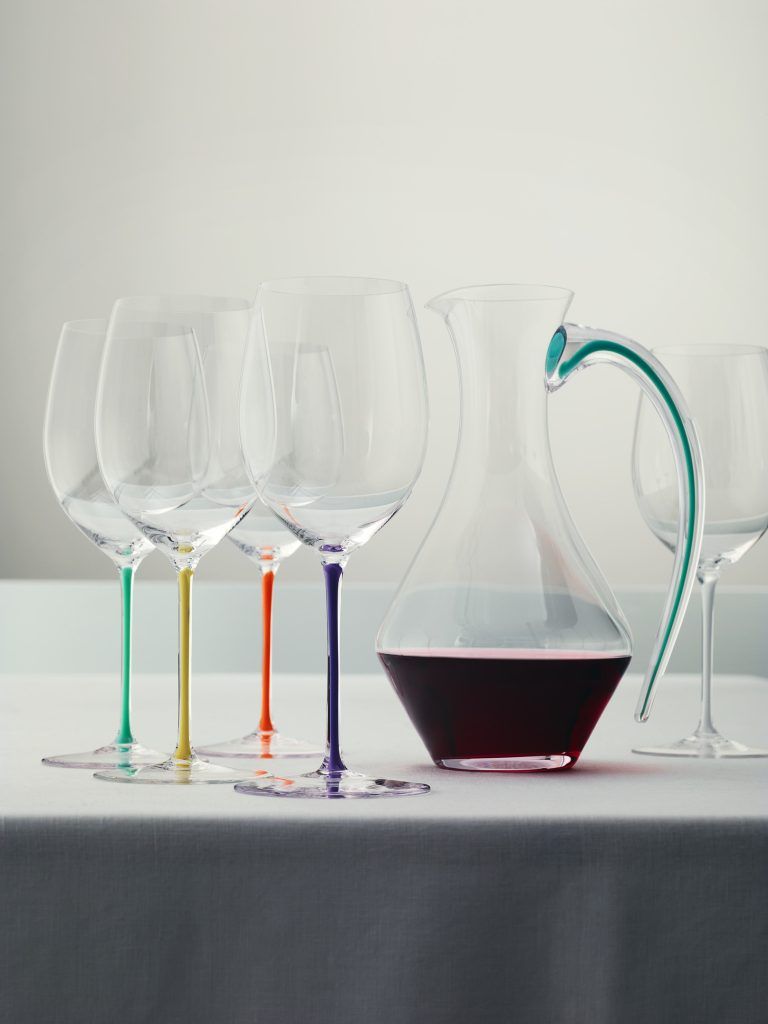
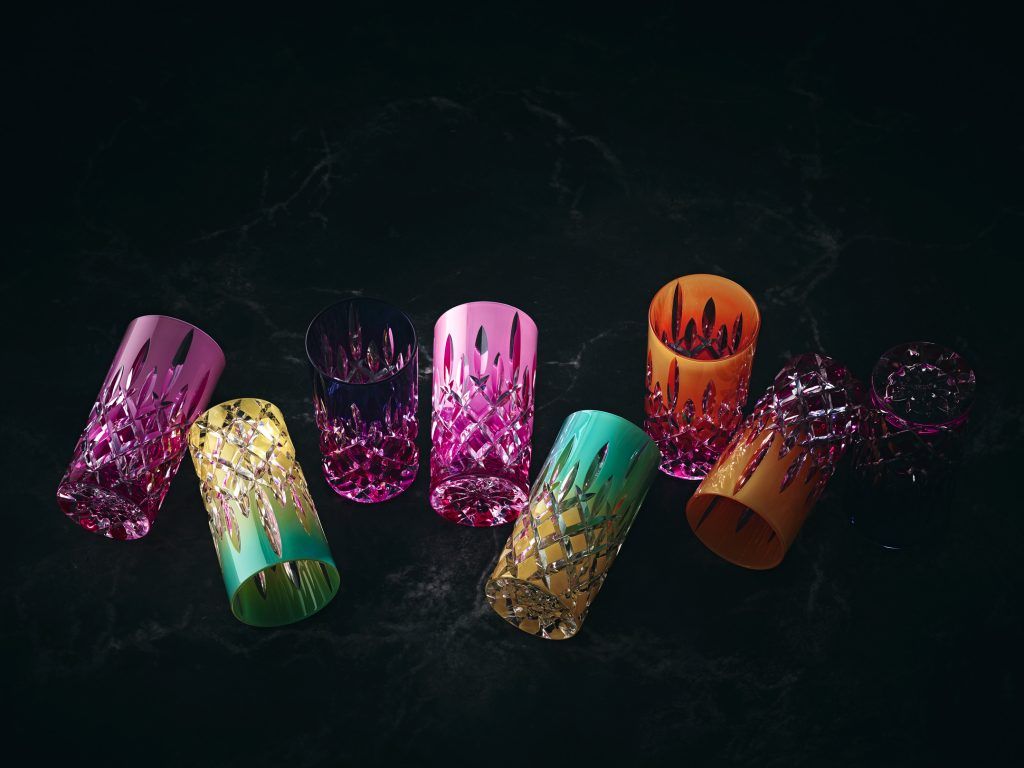
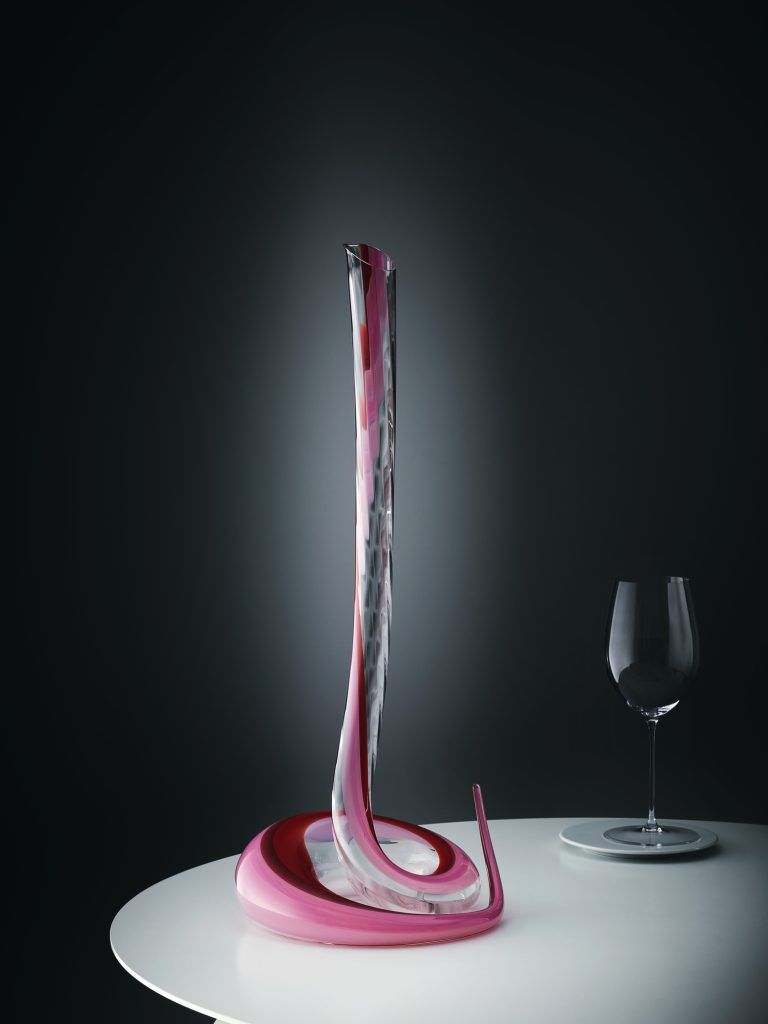
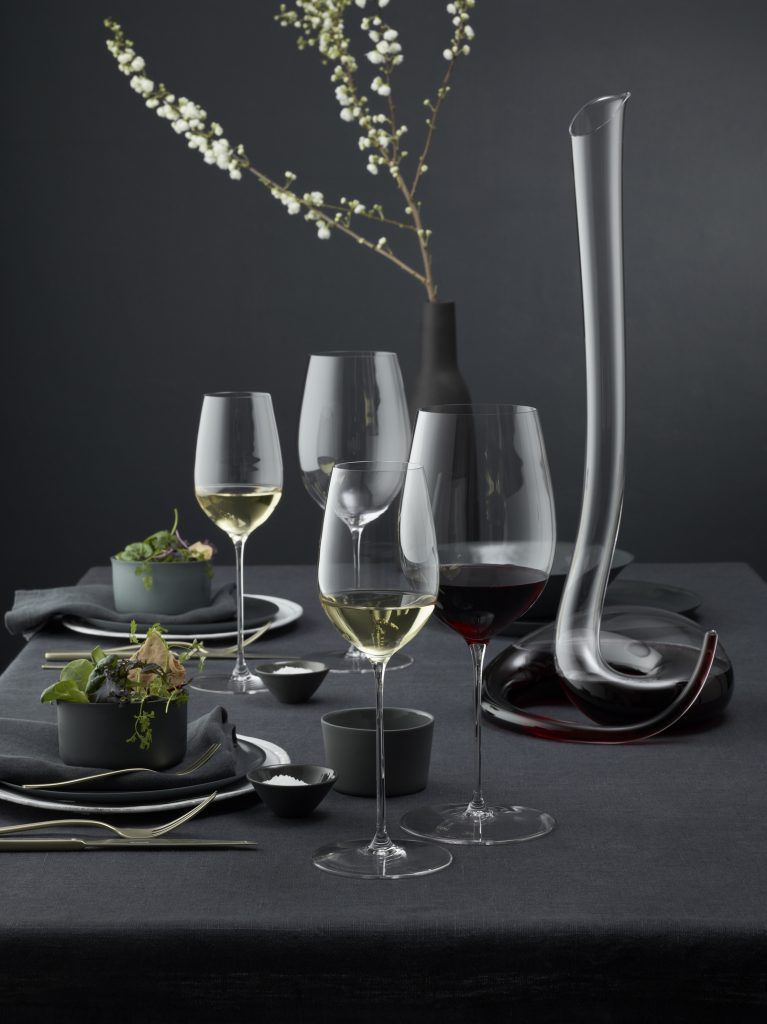
Consumers also show a growing appetite for heritage, craft and story-driven objects. A favourite example: fine glassware from historic makers, like Riedel, a 270‑year old family‑owned business that revolutionised wine. Owning Riedel is owning “functional art”, says Hotwani. “Despite being the long-running producer of crystal in the world, it today remains at the forefront of innovation, allowing it to produce crystal using methods that are out of reach to all other manufacturers,” says Hotwani. “It is stories like these that touch the heart, give customers confidence in the brand, and that turn Riedel wine glasses into functional statement pieces.”
The idea is clear: your kitchenware can as easily belong in a museum as on your counter – and increasingly, buyers treat it that way.
Brands Driving the Status Shift
Within this wave of “aspirational domesticity,” some brands have emerged as symbols of taste, quality, and status. Smeg’s retro appliances, already design‑forward, now ride the wave of cross‑category collaborations – like the Porsche partnership – that fuse heritage, design, and everyday utility. V-ZUG brings Swiss heritage and craftsmanship from state-of-the-art hobs to dishwashers. Both longstanding names and newer players benefit from the demand for elevated home-cooking tools.
Take stainless steel cookware and kitchenware: the global market for stainless‑steel tableware alone stood at approximately USD 33.25 billion in 2024, and is forecast to grow to USD 61.88 billion by 2034 – a steady 6.4 % CAGR. Driven by growing preferences for durable, sustainable, and hygienic materials, stainless steel has become a default choice for buyers wanting quality and longevity. The shift is especially prominent among younger, health‑conscious, and eco‑aware consumers.
But it’s not just about stainless steel. According to Dubla from Tablo Limited, finishes such as gold, bronze, or titanium – used in cutlery, silverware, or serveware – have become immediate status signals. For companies like Coltellerie Berti, Pintinox, IVV, and Zafferano, whose craftsmanship lies in finishes, hand‑worked details, and design-led tableware, the rising demand for “visual status markers” has translated into real business growth.
Meanwhile, cookware, glassware, and appliances have also matured. As eco‑consciousness rises, consumers gravitate towards non‑toxic, durable, and sustainable materials. According to a 2025 market overview from Global Market Insights, the cookware segment is seeing more demand for eco‑friendly and non‑toxic surfaces.
“There’s a mindset now of ‘buy once, buy well’,” says Lee. “People want pieces that last, that feel almost multi-generational, and that actually fit into the look of their kitchen instead of fighting it.”
The Shift from Hidden to Displayed
The transformation in kitchen design and culture is not purely about function – it’s about visibility. As open-plan homes, loft apartments, and social media-friendly interiors continue to dominate, kitchenware must do more than work; it must be seen, felt, styled.
This shift is visible in the rise of modular kitchens, open shelving, and curated countertops. In many homes, kitchenware sits out in the open, bridging function and design. Addison Ross’ David and Sarah Ross capture this perfectly: “Lighting is becoming a true style category. Being able to move light around effortlessly feels incredibly luxurious and elevates the overall experience of the space.” Their clients often use LED rechargeable lamps and lacquer trays not just in the kitchen, but as decor on coffee tables, console units, and even dressing rooms.
Hotwani at Town House notes that limited‑edition pieces, hand‑made decanters, or fine glassware allow consumers to craft a narrative. “The dining table and kitchen counter are a blank canvas, and a great way for people to make a statement or express creativity when they are entertaining, or simply infuse a bit more joy into their daily rituals,” he says.
In hospitality, the effect is tangible. Restaurants, hotels, and bars are investing heavily in glassware, silverware, and presentation pieces that double as table “set dressing”. It’s not just back-of-house anymore; even dining environments treat kitchenware as part of the guest experience. “In the past two years, we have seen many Hong Kong restaurants, bars and hotels embrace fine and light collections from producers like Riedel and Nachtmann, as they allow them to add a sense of glamour to the table without having to break the bank,” says Hotwani.
As a result, kitchenware today straddles multiple roles: functional object, design asset, social marker, and lifestyle prop.
Social Media as an Engine of Desire
Perhaps the most powerful amplifier of this evolution has been social media. Platforms like Instagram, TikTok, and Pinterest have turned home cooking and kitchen aesthetics into content. Matching pastel pans, aesthetic bakeware, ASMR prep videos, and curated kitchen shelves entice audiences, and – not surprisingly – drive purchasing behaviour.
“These channels are becoming important, even in niche sectors like tableware, wine accessories and home-related gifts,” explains Hotwani. “This is especially the case as millennial, Gen-Z and digital native consumers are settling down, getting married, and moving into their own homes, and are seeking or getting inspiration. “
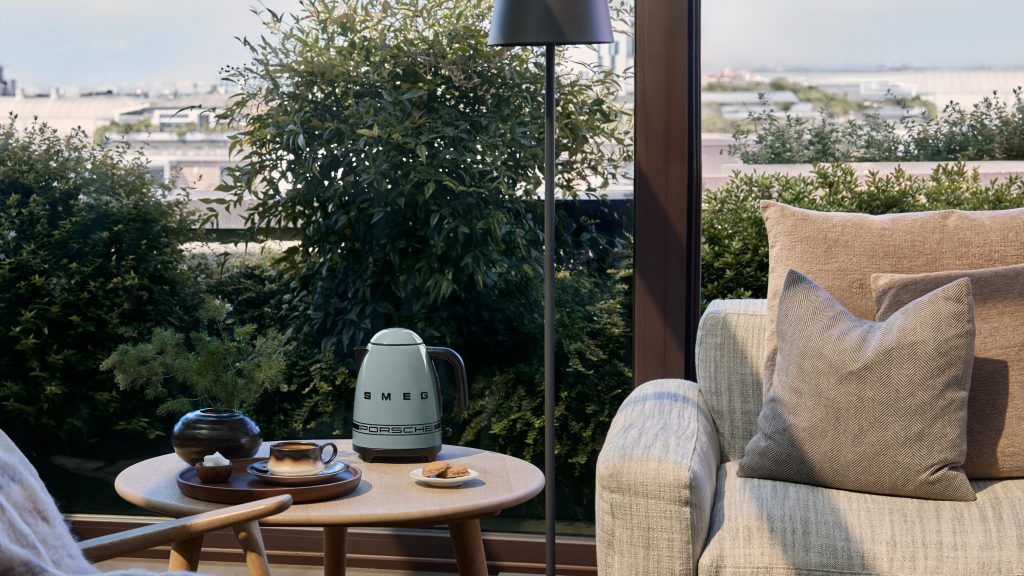
Brands and retailers themselves shape products with social‑media aesthetics in mind – think of LED lamps balanced just right for a flat‑lay, or a retro SMEG kettle sitting on marble behind a latte. As David and Sarah Ross note, “People want their everyday objects to express who they are. The home is now a public space – commonly photographed, shared, and curated – and as a result, practical items have evolved into style statements.”
However, for brands dealing with high-end and premium collections, the journey from awareness to buying takes longer. “At the end of the day, the most effective channel for influencing, inspiring, educating and selling remains a highly trained salesperson, equipped with the right tools and stories,” says Hotwani.
For consumers – particularly in urban markets, younger demographics, or those with disposable income – kitchenware becomes a form of cultural capital. A polished table set, heirloom-quality cookware, curated serveware – these are declarations of identity, taste, and intention.
The Luxury Parallel
Today’s kitchenware market resembles more than ever the world of luxury fashion: limited-edition drops, designer collaborations, collectible items, and even resale potential.
As Hotwani observes: “Collaborations and crossovers can add value to a brand and bring in a new cohort of customers.”
Whether it’s a movie-inspired glassware line or a limited-edition toaster, these items invite collectors, enthusiasts, people who want to be part of a shared story. “Maxwell & Williams has had good success recently with its collection of Wicked dinnerware. And those beautiful whisky tumblers in the most recent John Wick movie? Those are from Nachtmann, and those are now available in our shops stamped with the John Wick logo,” he adds.
While much of this trend started in Europe and North America, Asia – particularly urban hubs in East and Southeast Asia – is rapidly embracing aspirational kitchenware. According to Actual Market Research, the Asia‑Pacific region is projected to grow at a CAGR of 6–7% between 2024 and 2029, driven by urbanisation, rising incomes, smaller apartments, and demand for compact, stylish, multifunctional kitchen tools.
Meanwhile, younger consumers across Asia are embracing the trend of “kitchen as lifestyle,” influenced by social media, global design trends, and a growing appreciation for home cooking and aesthetics. For many, switching to premium kitchenware is not just about better cooking – it’s about designing a home that reflects aspiration, taste, and identity.
Another compelling layer to this transformation is the broader democratisation of kitchen gear that once belonged to chefs or professionals. High‑performance tools – induction‑compatible stainless-steel cookware, smart kitchen gadgets, precision knives, artisanal bakeware, and noise‑efficient appliances – are increasingly accessible and desired by home cooks.
Fion Lee reflects this mindset: “I think the most aspirational tech won’t be loud or screen-heavy. It’ll be the really subtle stuff that blends in: surfaces that keep your food warm or cold, ambient lighting that shifts depending on what you’re doing. All controlled through voice or simple gestures, not another touchscreen taking over your counter.”
BurdaLuxury’s Lens
From Porsche and Smeg’s motorsport-inspired appliances to stainless-steel cookware booming worldwide, from artisanal glassware in Hong Kong restaurants to minimalistic, elegant steel knives on YouTube cooking channels – the narrative is clear: kitchenware is no longer just utility. It has become identity, aspiration, heritage, and style. In a world where living spaces shrink and lifestyles expand, perhaps the greatest luxury is not about opulence – but about intention. The kitchen, once the hidden workhorse of the home, has become a canvas: for design, for ritual, for self‑expression. And the tools we choose to fill it with? They matter.