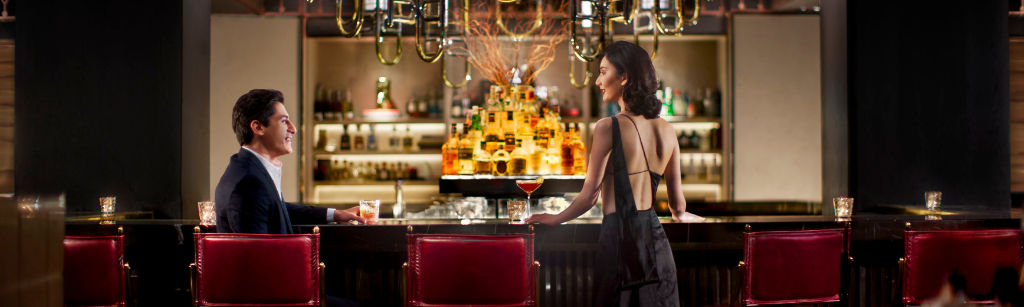


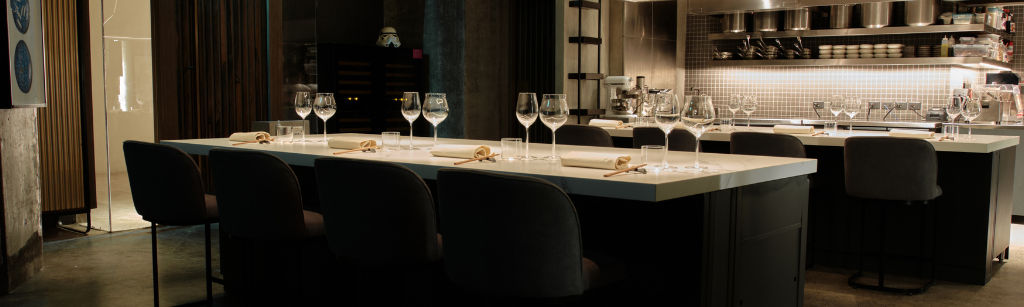
For decades, the Philippines’ culinary depth and regional diversity have been hiding in plain sight. In 2025, that quiet confidence received a formal nod with the inaugural edition of the Michelin Guide – a recognition that did not introduce excellence so much as confirm what had long existed.
The timing is not incidental. Industry forecasts estimate the nation’s food sector will expand from just over US$21 billion in 2026 to nearly US$41 billion by the early 2030s, driven by rapid urbanisation, a young population, and rising discretionary spending. Across the wider food economy – spanning dining, retail, and premium consumption – annual growth is expected to continue through the end of the decade.
Crucially, this growth is no longer volume-led alone. Culinary tourism is emerging as a distinct economic pillar. From 2026, food-driven travel in the Philippines is forecast to grow at double-digit rates, with the culinary tourism market projected to more than triple in value over the next decade as travellers increasingly seek chef-led experiences, regional cuisines, and ingredient-driven storytelling. What was once framed as everyday food culture – provincial cooking, seafood traditions, market dining – is being reframed as a destination asset.
Wellness and experiential travel are expanding in parallel. The Department of Tourism has identified wellness, medical tourism, and high-value experiential travel as priority growth segments. With more than 7,600 islands, some of the world’s richest marine biodiversity, and an English-speaking professional workforce, the Philippines is increasingly positioned not as an alternative destination, but as a category of its own.
A Dining Culture Steps Forward
The transformation of Filipino cuisine has been neither sudden nor accidental. It has been shaped by years of quiet persistence – by chefs, restaurateurs, farmers, and diners who continued to show up long before global recognition followed.
Abba Napa, restaurateur and founder of The Moment Group (behind The Mess Hall, Manam and Hayop in the Philippines), traces the shift to lived experience rather than media cycles. “I’ve been in the restaurant industry for over 15 years now and I probably only really felt the impact of the shift in the last three to four years,” she tells BurdaLuxury. “Before that, Filipino food was largely driven by a relatively small group of restaurateurs and chefs – many of us working quietly and persistently to expand the way Filipino cuisine showed up in everyday dining.”
What changed, Napa explains, is not just awareness, but scale and confidence. “Today, you see Filipino restaurants emerging across both casual and more elevated formats, and being embraced by a much broader audience,” she says. Eating out has become central to Filipino life, with dining expenditure taking up a growing share of household budgets.
“When we first opened Manam 14 years ago, there were days when the dining room would have ten people in it,” Napa recalls. “Fast-forward to today, and there’s usually a line out the door – with more people waiting than we once had inside.”
Crucially, this momentum is not confined to special occasions. “There’s now a genuine, regular craving for Filipino cuisine,” she says. “Proudly expressed and consumed across different formats and price points.” The result is a dining culture no longer driven by nostalgia alone, but by habit, discernment, and pride.
“What we’re seeing today is a dining scene where Filipino chefs and restaurateurs are cooking from a place of clarity,” Napa adds. “Grounded in memory and culture, but also in how people actually eat now.”
From Curiosity to Conviction
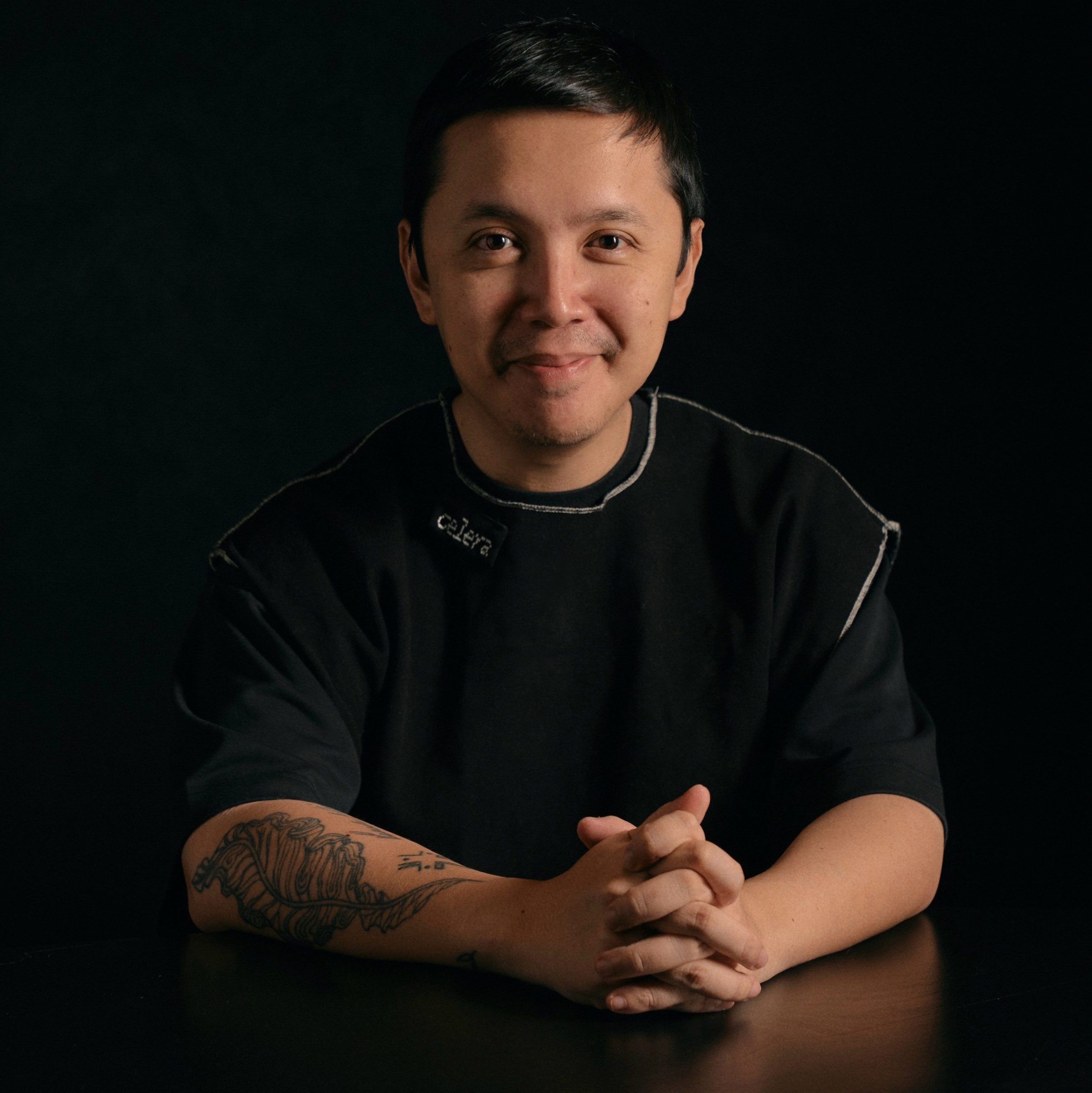
For Chef Yñigo Santos of Restaurant Celera, that clarity was evident even before his restaurant formally opened. “I began noticing the shift even before Celera opened – through conversations, pop-ups, and the kind of curiosity people brought to the table,” he says.
That curiosity, Santos notes, runs deeper than novelty. “Guests weren’t just asking what the dishes were, but why they existed – the ingredients, the techniques, the stories behind them.” When Celera opened, reservations filled quickly with diners who were not simply sampling Filipino flavours, but actively engaging with their context.
“Many were returning not just for the food, but for the perspective,” he says. “It felt less like a trend and more like a growing confidence in our own culinary identity.”
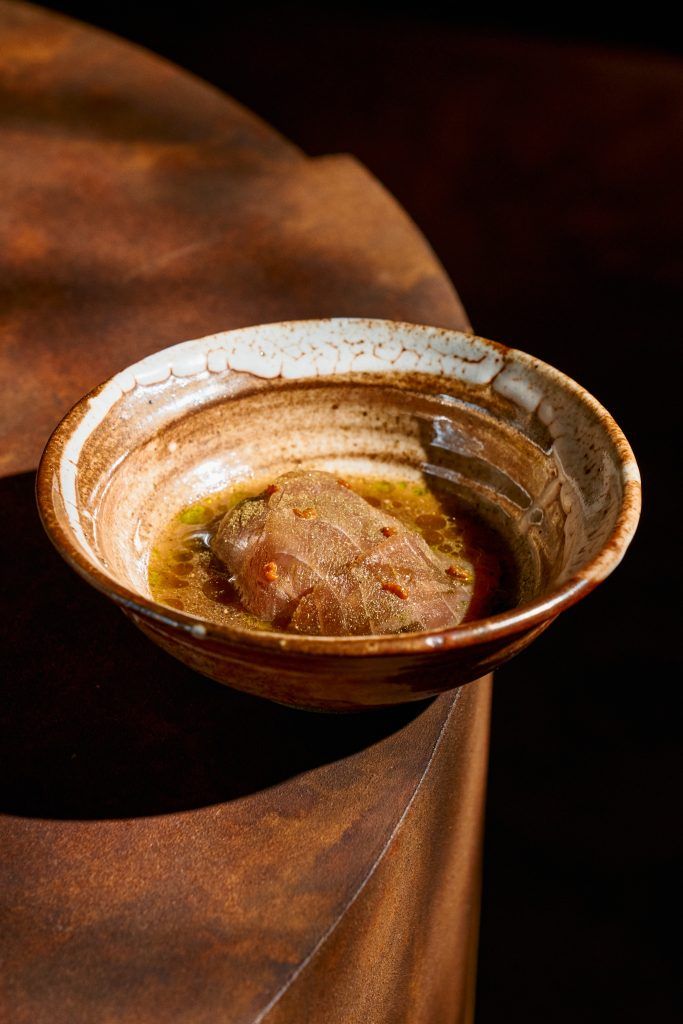
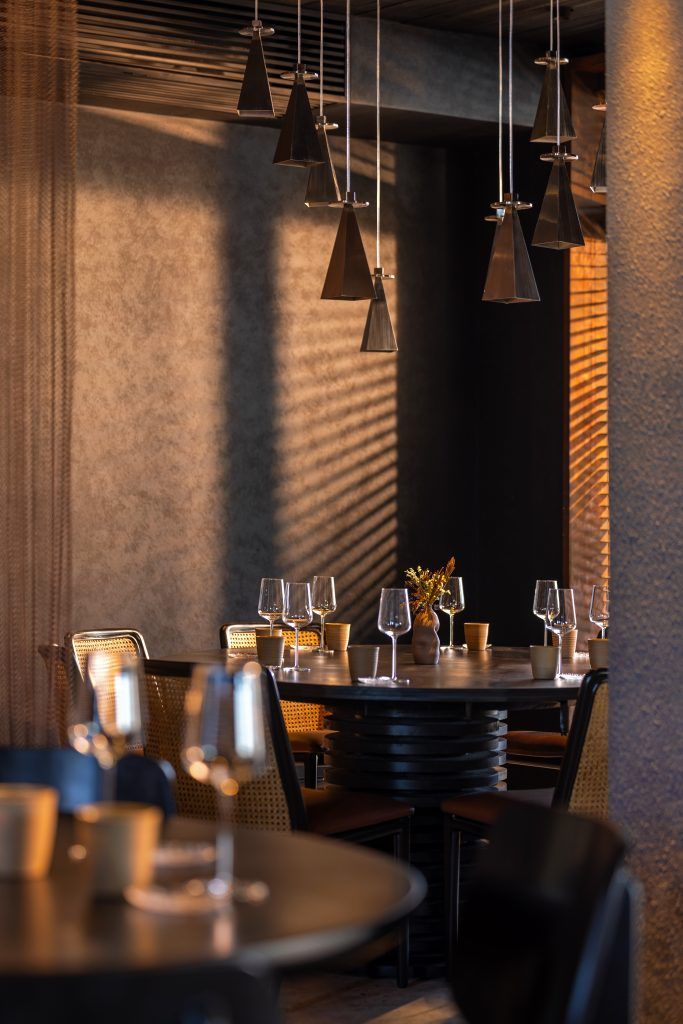
The dining room today reflects a layered audience. “It’s a healthy mix,” Santos explains. “Local diners and younger Filipinos make up a strong core – many of them are looking for a sense of pride and familiarity, reinterpreted in a new way.” Overseas Filipinos arrive with emotion, often seeking reconnection through food, while international guests come with openness and curiosity.
Across all of them, Santos observed a shared expectation. “What’s consistent is a desire for sincerity – food that feels thoughtful, rooted, and human.”
That desire mirrors a broader global shift. According to the World Food Travel Association, over 80 per cent of travellers now research food experiences before choosing a destination, and culinary authenticity ranks among the top decision drivers for high-value travellers. Filipino cuisine, with its layered influences and regional specificity, is increasingly well-positioned within that landscape.
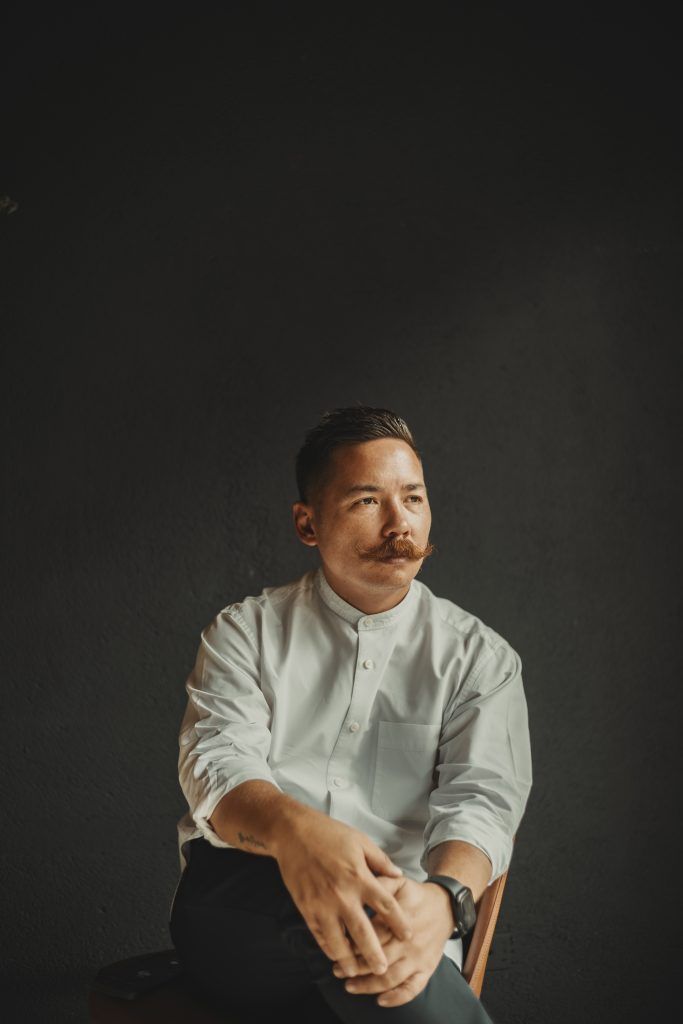
For chefs like Josh Boutwood of the two-Michelin-starred Helm, the international spotlight confirmed a longer trajectory rather than initiating one.
“Back in 2016, we felt a surge in interest in what we do,” Boutwood says. “As a culture, we became more well-travelled, understanding a broader appreciation for food not just as sustenance but as an experience.”
“Filipino food has always been appealing yet misunderstood,” he explains. “With the help of social media, people have been able to become educated on what Filipino food is.”
At Helm, the dining room reflects the Philippines’ increasingly global culinary audience. “It’s always dependent on the time of year,” he notes. “With the holiday season, we have seen a large number of balikbayans [a Filipino returning home after living abroad] visiting.”
Despite the visibility of digital platforms, Boutwood remains an outlier by choice. “We very rarely post,” he says. “Nothing beats word of mouth. It’s organic, it’s truthful, and honest.”
Santos echoes this restraint. “Instagram helps share our visual language and process,” he says, “but the strongest connections usually come from personal recommendations and trusted food guides.”
Ingredients, Agriculture, and Intent
Beyond dining rooms, the deeper shift is agricultural and philosophical.
Ramon Uy Jr, Slow Food International Councilor for Southeast Asia, is quick to point out that Filipino cuisine never disappeared. “People in the provinces never lose their appetite for Filipino food,” he says. “It is lived, practiced, and passed on daily.”
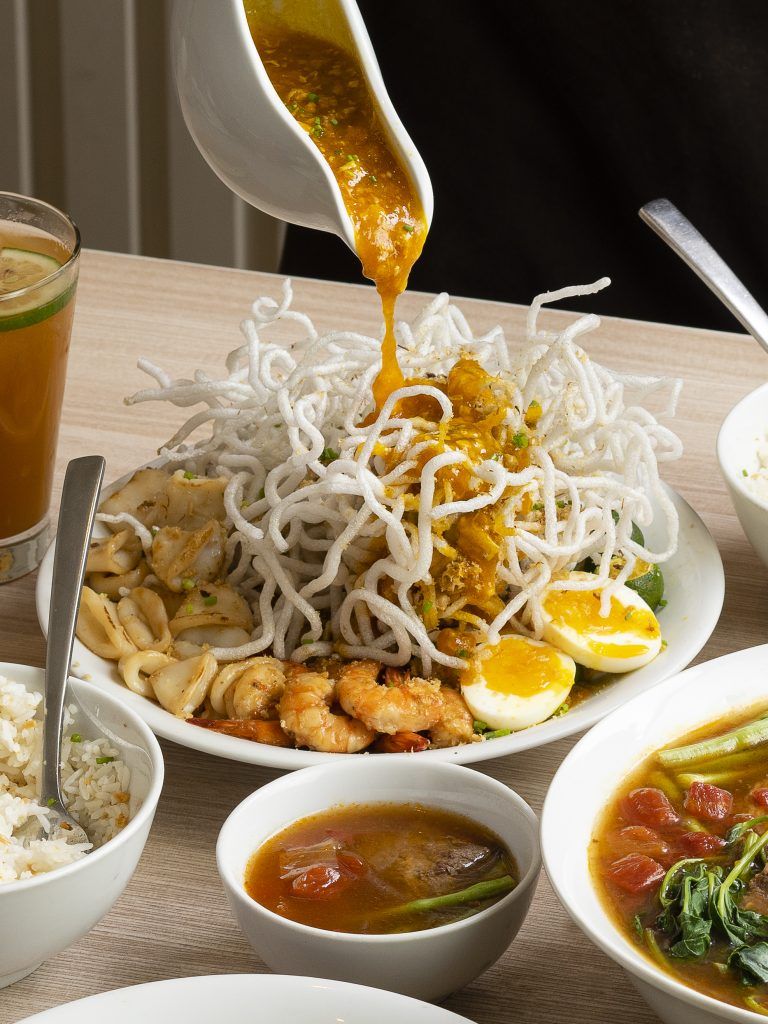
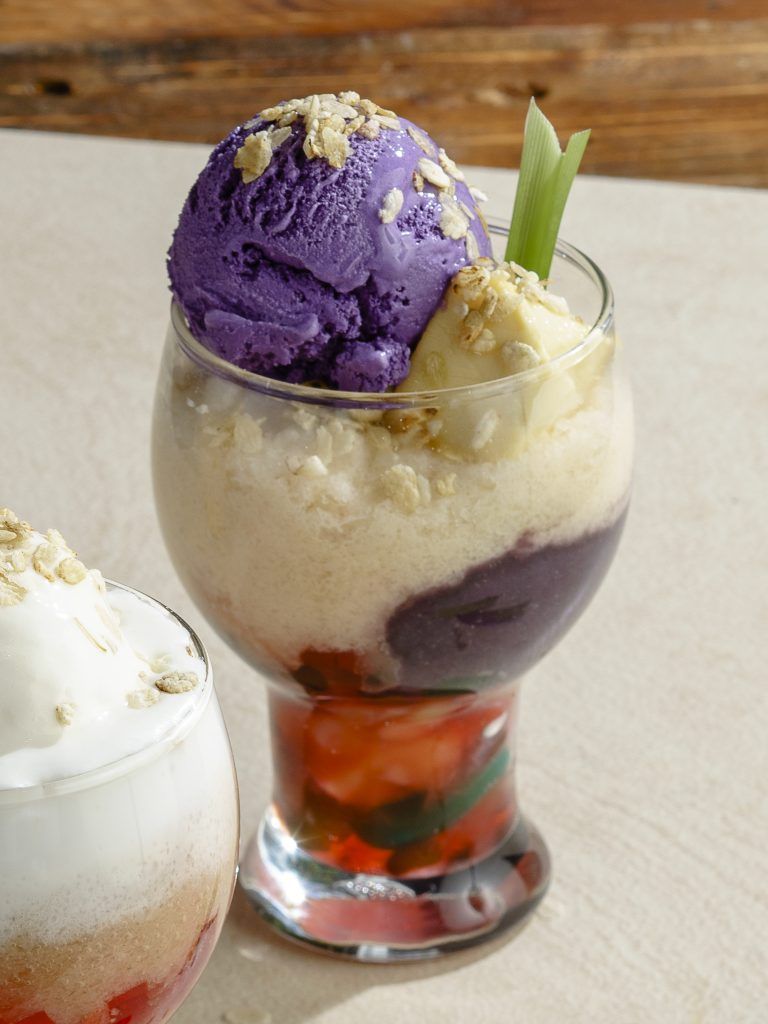
What changed was where attention was placed. “The shift became more visible when tasting menus and curated dining formats centred around Filipino food and ingredients began emerging in Manila,” Uy explains. “Many realised that the storytelling a tasting menu demands already existed within our own rich history, culture, and raw ingredients.” Uy credits long-time pioneers like Amy Besa, who championed Filipino cuisine, and the late culinary legend Margarita Forés.
Rather than borrowing external markers of luxury, chefs began reframing abundance at home. “What’s been especially encouraging is seeing younger, talented chefs choose to explore local ingredients deeply,” Uy says, “finding creativity and elegance in native produce, fermentation traditions, and regional techniques, rather than defaulting to Western markers of luxury like caviar, foie gras or truffles.”
This approach aligns closely with the Slow Food ethos. “Filipino cuisine fits naturally into the global rethinking of food systems because it is deeply agricultural, regional, and rooted in resilience,” he notes.
“Younger Filipinos are reclaiming food as part of their identity,” he says. “They’re curious about regional cuisines, indigenous ingredients, and techniques that were once overlooked.”
Reena Gamboa, executive director of Terra Madre Asia & Pacific, concurs. “The audience of today has realised that knowing the culinary heritage of a nationality is key to learning the culture of the place,” she says. “Thus, interest in a wider variety of cuisines and cultures has increased.
Posting certain ingredients or dishes on social media brings back memories. “This can trigger the interest of young people,” says Gamboa. Regarding the international audience, again, I think many have discovered that the wide variety of cultures is just waiting to be explored. Learning about these ingredients, how they are traditionally cooked, and feedback from vloggers has gotten them curious.”
Wellness Beyond the Spa
If cuisine reflects cultural confidence, wellness reveals how the Philippines is redefining luxury itself.
Wellness-focused hospitality in the country began gaining traction in the early to mid-2000s, initially through eco-luxury and medical wellness retreats. But according to Yuki Kiyono, global head of health and wellness development at Aman, the most significant evolution has occurred in recent years.
“Over the past two decades, and particularly in recent years, wellness in the Philippines has evolved beyond the conventional spa model into a far more integrated and intentional way of living,” says Kiyono. “Today, it is defined by immersion rather than intervention – by stillness and reconnection.”
At Amanpulo, wellness is not treated as a separate offering but as a natural extension of the island. “The experience moves beyond treatments to embrace presence – waking with the ocean, moving with the wind, grounding barefoot on white sand,” she explains. “Allowing the body and mind to recalibrate through nature, privacy, and silence.”
This philosophy aligns closely with post-pandemic travel behaviour. According to McKinsey, over 70 per cent of luxury travellers now prioritise wellness when choosing destinations. The Philippines’ geography – remote islands, protected marine environments, and low-density landscapes – supports this demand organically.
“The renewed interest in wellness hospitality is driven by a collective desire to reconnect,” Kiyono says. “Post-pandemic travellers are seeking destinations that offer space, safety, and emotional renewal rather than stimulation or spectacle.”
For Filipino travellers, wellness increasingly intersects with preventative remedies. “There is strong interest in holistic medical wellness, preventative care, and environments that allow for detoxification, mental clarity, and emotional grounding,” she notes. Clear communication and trust are essential, particularly when working with highly trained professionals fluent in English.
International guests, while sharing similar goals, are often drawn by remoteness and discretion. “For them, Amanpulo represents the ultimate escape – an untouched island where nature, service, and privacy come together seamlessly,” Kiyono says.
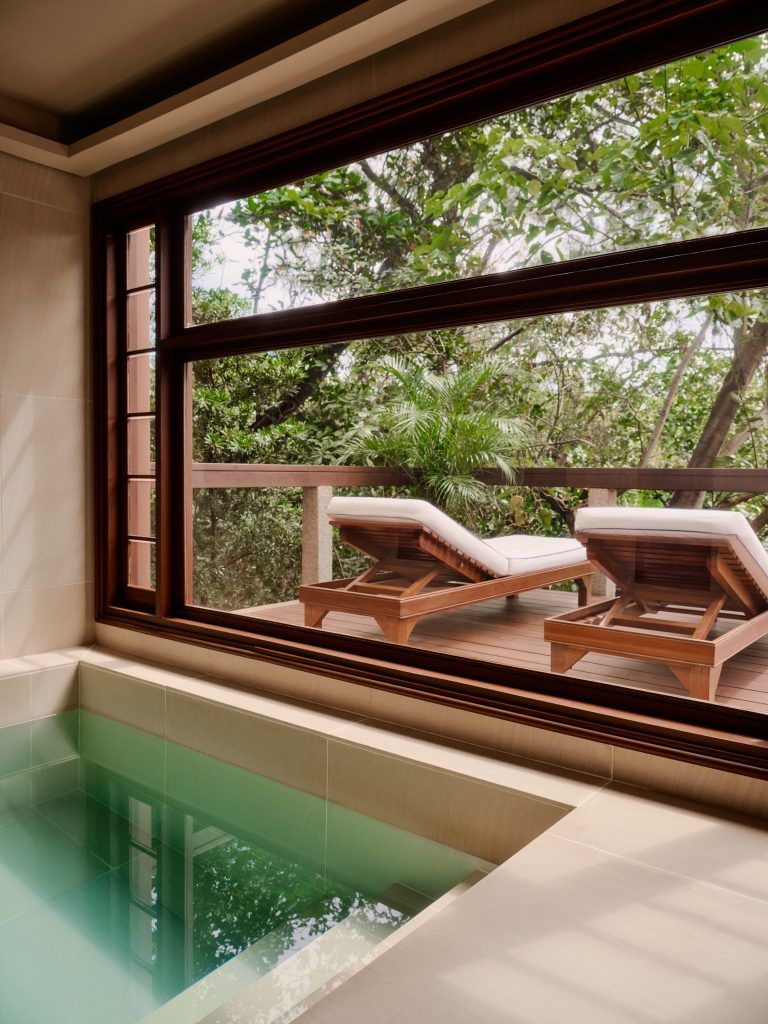
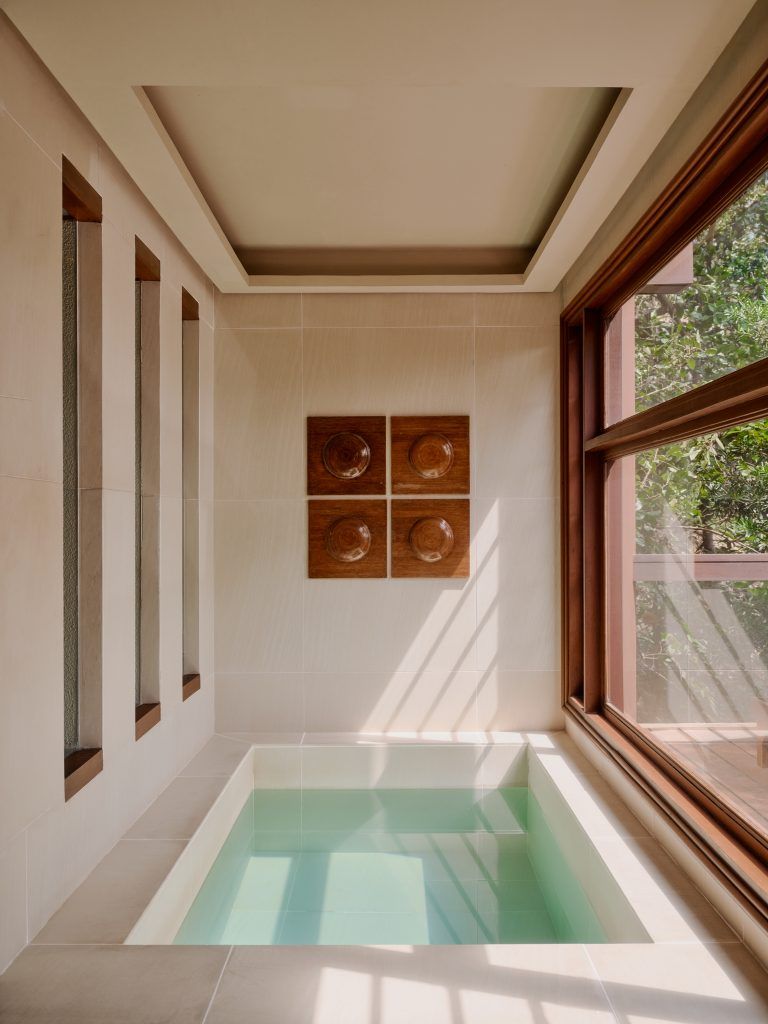
Recent enhancements to Amanpulo’s spa facilities – from infrared therapy and reformer Pilates studios to treatments incorporating native botanicals and Filipino healing techniques – reflect a broader industry shift toward integrated, evidence-based wellness grounded in place rather than prescription.


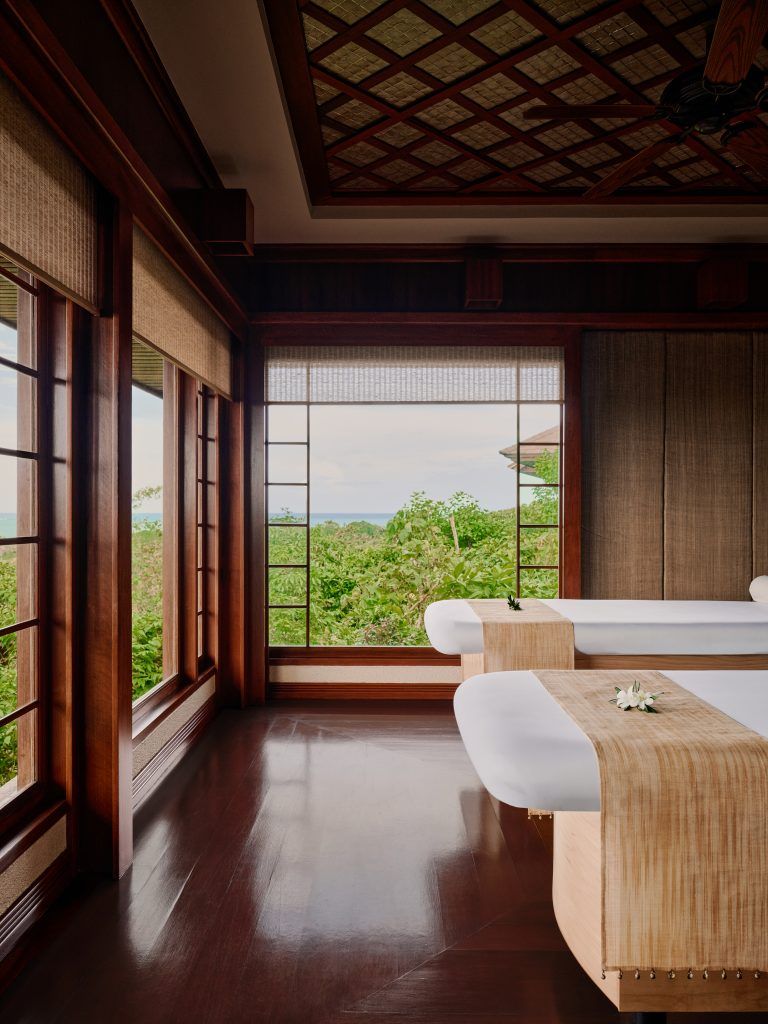

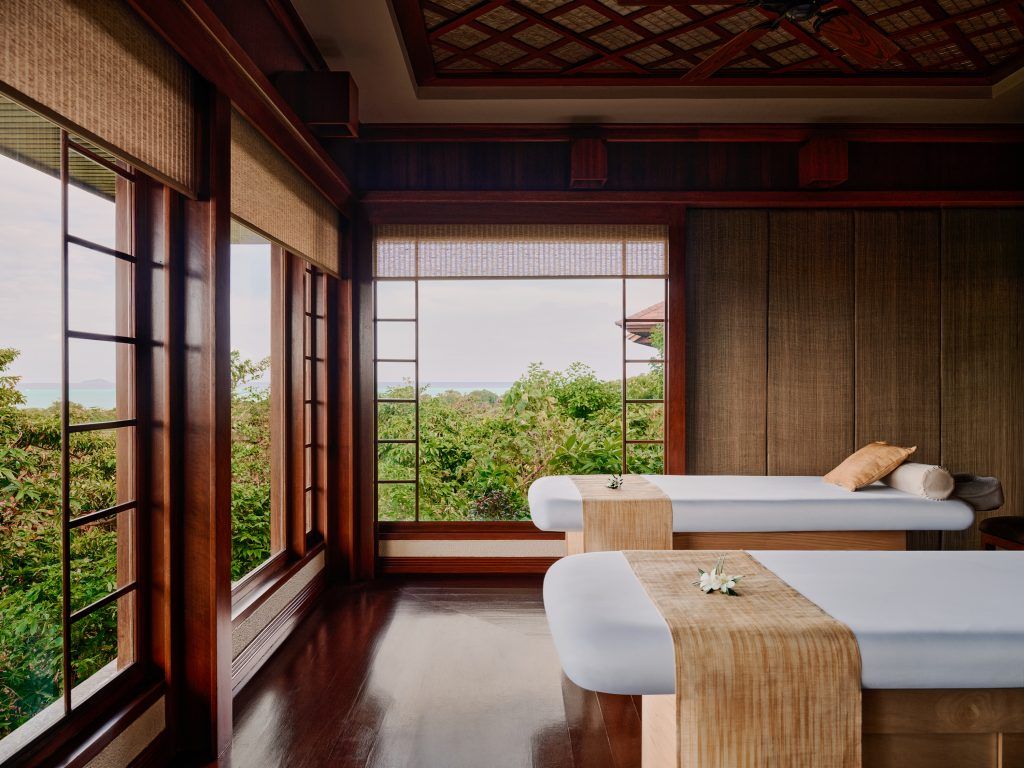
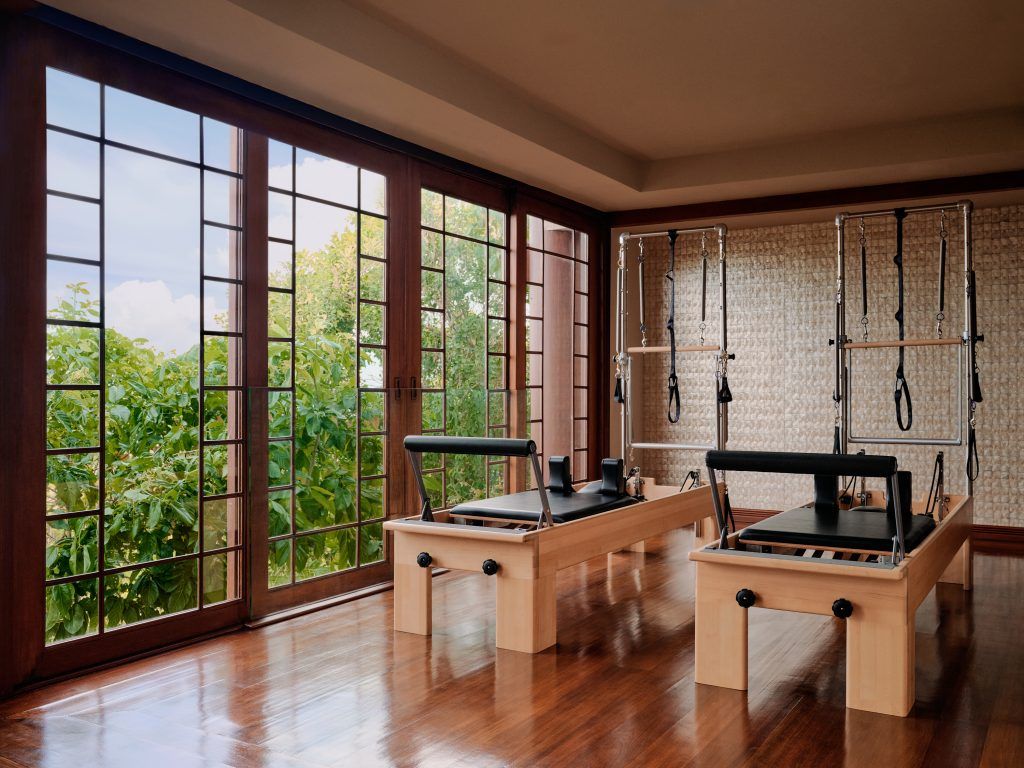
The pandemic also reshaped consumer habits. “Prior to the pandemic, most hospitality experiences in the Philippines emphasised short-term relaxation with wellness often regarded as a premium amenity,” says Paulo Benito S. Tugbang, Director at the Office of Product Development at the Department of Tourism Philippines. “In recent years, however, travellers have increasingly sought experiences that enhance overall well-being, rather than simple pampering.” High-end, long-term wellness programmes are available at retreats such as The Farm at San Benito and Nurture Wellness Village, both locally and internationally acclaimed. Personal recommendations are an important aspect. “The most authentic and influential connections to wellness, whether for domestic or international travellers, are rooted in locals’ personal recommendations and world-of-mouth,” says Tugbang.
Visibility Without Noise
Despite the Philippines’ rising profile, its ascent has not been driven by aggressive marketing.
“The Philippines’ rise as a wellness destination has been shaped by discerning storytelling rather than volume-driven promotion,” Kiyono explains. “High-quality editorial platforms, trusted networks, and word-of-mouth advocacy have played a critical role.”
Napa agrees that digital platforms succeeded because there was already substance. “What came first was a deeper, collective sense of pride in being Filipino,” she says. “It feels to me more like the cumulative result of years of quiet, persistent work by Filipinos championing Filipino culture in many forms – not just food, but also art, design, fashion, and storytelling – often without fanfare. What digital platforms and food media did was accelerate that work.”
Uy frames visibility as responsibility. “Digital platforms allow food stories to come directly from the source – farmers, home cooks, small communities,” he explains. “Visibility isn’t about trends. It’s about safeguarding food heritage.”
A Market Coming into Focus
What makes the Philippines’ rise compelling is not ambition, but alignment. Culinary confidence, wellness immersion, and market fundamentals are moving in the same direction.
According to the World Travel & Tourism Council, travel and tourism now contribute over 21 per cent of the Philippines’ GDP. As infrastructure improves and regional connectivity expands, industry leaders see an opportunity for the Philippines to define a distinct position within Asia’s luxury and experiential travel landscape.
For Santos, the shift is ultimately human. “Across all diners, what’s consistent is a desire for sincerity,” he says. “Food that feels thoughtful, rooted, and real.”
BurdaLuxury’s Lens
The Philippines is not merely emerging – it is reclaiming a narrative long written but only now fully recognised. From the immersive, elemental calm of Amanpulo, where wellness and nature converge into a quiet pedagogy of presence, to the meticulous, ingredient-led craft at Helm, where Filipino cuisine is interrogated and celebrated with both precision and pride, the country reveals a rare confidence: one rooted in its own history, resources, and sensibilities rather than external validation.
Culinary and wellness experiences are inseparable from identity, memory, and place, creating a sophistication that feels effortless yet profoundly intentional. In this alignment of people, place, and practice, the Philippines offers a vision of luxury not as spectacle but as authenticity – a nation finally seen not as a destination waiting to be discovered, but as one that has always known its worth.