


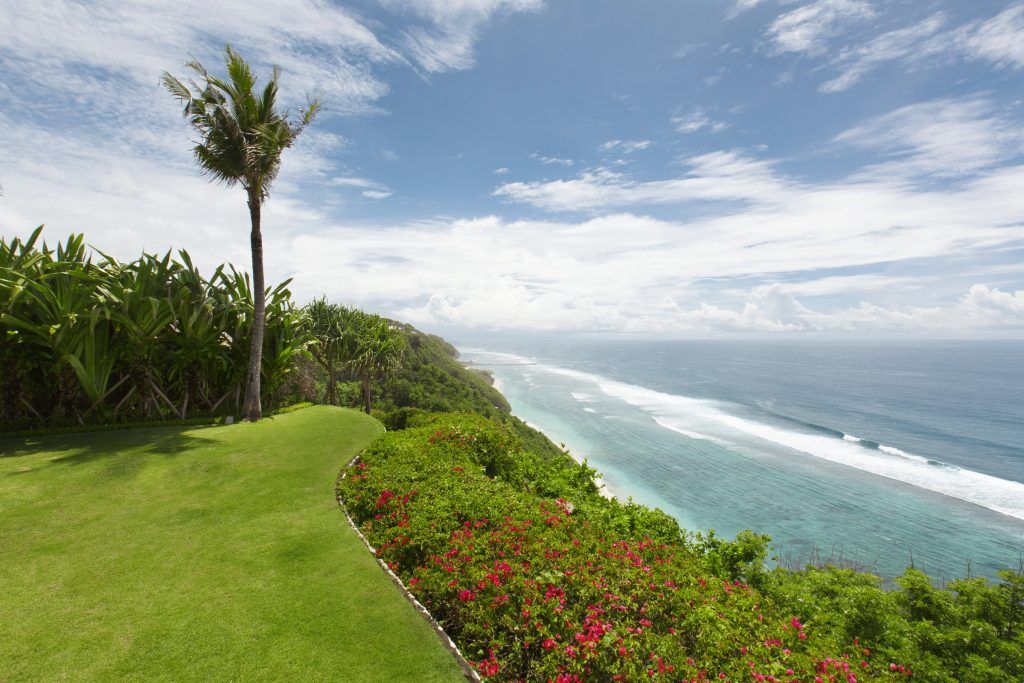
From a riverside deck overlooking the Chao Phraya in Bangkok to a clifftop lawn with the Indian Ocean stretched below in Bali, Asia’s corporate meeting, incentives, conferences, and exhibitions (MICE) sector is undergoing a profound transformation. No longer confined to boardrooms and bland ballrooms, corporate gatherings are now staged in dramatic natural environments, heritage sites, and boutique luxury hotels where every detail – from culinary storytelling to wellness programming – is curated for both impact and experience. What was once a post-pandemic recovery narrative has become a story of innovation, sophistication, and purpose-driven design.
Across Asia, MICE demand is shifting toward high-value, experience-led programmes. According to Mordor Intelligence, the Asia-Pacific MICE tourism market was valued at US$212 billion in 2025, and is now worth about US$231 billion in 2026. Similar trends are evident across Thailand, Indonesia, Oman, and other high-end destinations, where planners are seeking exclusivity, immersion, and environmental responsibility alongside traditional ROI metrics.
From Recovery to Experience: Shaping the Modern MICE Agenda

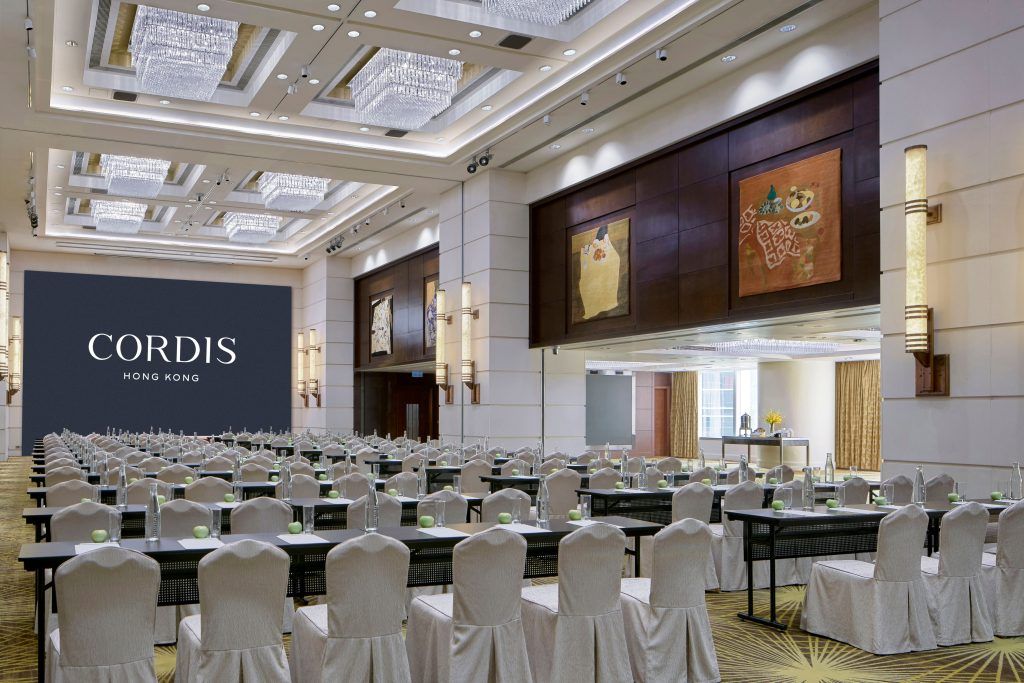
Over the past two years, Asia’s MICE market has moved from cautious recovery to a sustained rebound. Kitty Tang, Director of Sales and Marketing at Cordis, Hong Kong, notes that “over 2023-24, pent-up demand converted into a packed calendar of regional and international events. Delegate numbers have risen and per-delegate spend has increased as business travel resumed.” Planners now prioritise curated experiences, shorter lead times, and meaningful engagement, with ESG and wellness considerations becoming central to event design.
The evolution is not merely a reaction to pandemic-era restrictions; it reflects a broader shift in corporate philosophy. Companies are increasingly focusing on human connection, creativity, and brand storytelling. Mark Wong, Senior Vice President, Asia Pacific at Small Luxury Hotels of the World (SLH), observes that “MICE has become an important segment for our larger member hotels as meetings are moving out of boardrooms and incentive groups are looking for experience-led environments.” His point highlights a key trend: small, characterful properties, often boutique or independently owned, are now positioned to offer what large conventions centres cannot – intimacy, authenticity, and narrative-driven programming.
Boutique Luxury Meets Corporate Strategy
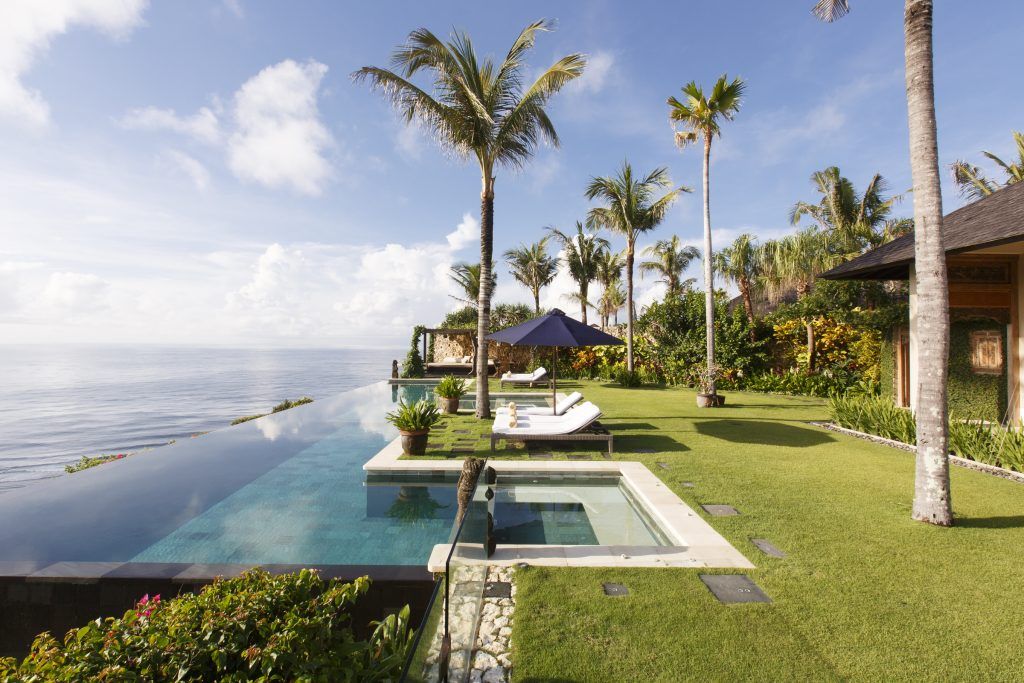
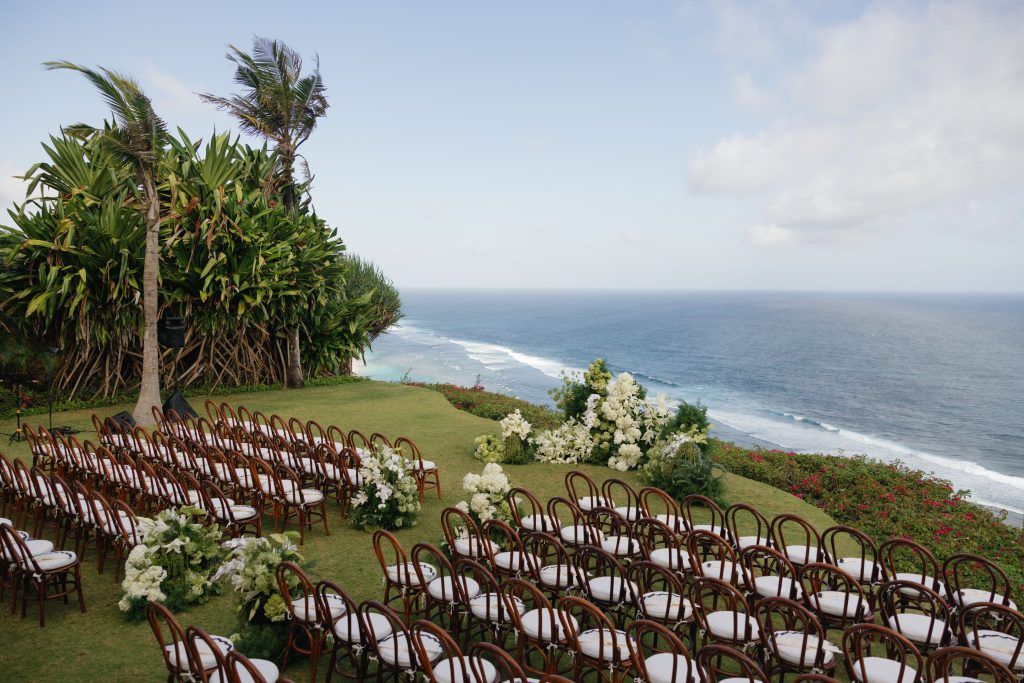
The Ungasan Clifftop Resort in Bali exemplifies this shift. Jeremie Lannoy, Director of Sales and Marketing, explains that while large-scale conventions have returned in gateway cities, The Ungasan has seen stronger growth in regional executive gatherings, founder-led retreats, and incentive travel centred on experience rather than volume. “The typical enquiry today is not for 400 delegates in a ballroom, but for 25 to 50 key decision-makers who want privacy, scenery, and impact,” Lannoy says.
The resort’s wedding-driven DNA informs this approach. Corporate clients often first experience the property as wedding guests, witnessing multi-day productions of floral design, lighting, and culinary storytelling, then return with corporate briefs. Lannoy notes, “The sophistication required to execute a three-day destination wedding mirrors the structure of an executive retreat. The difference is simply the objective.” This crossover demonstrates a growing trend in MICE planning: leveraging hospitality expertise from lifestyle and social events to enhance corporate programming.
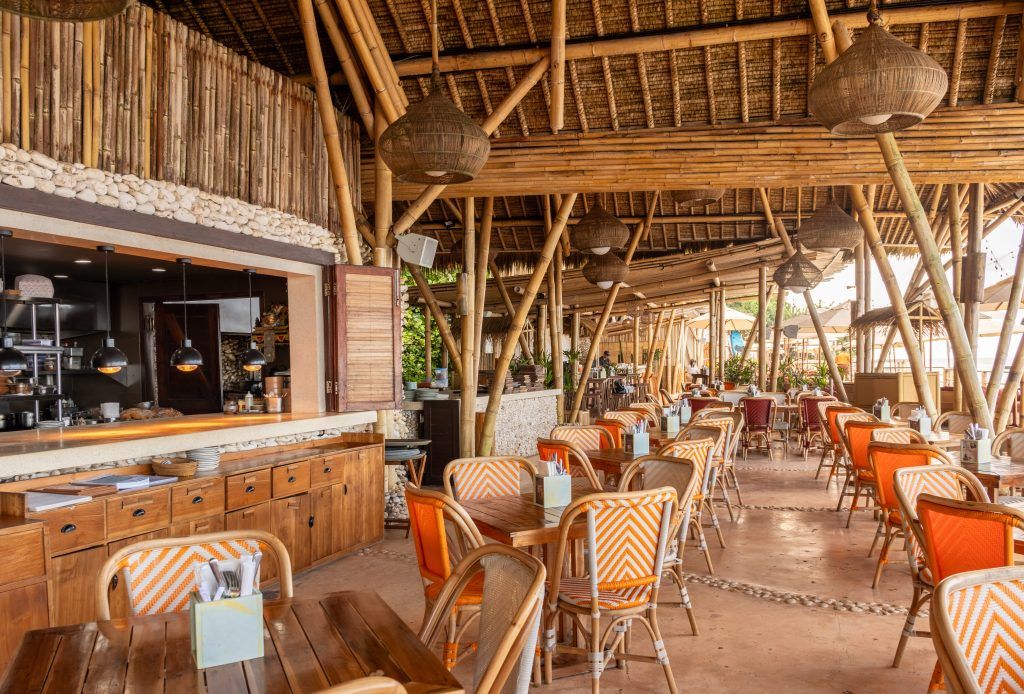
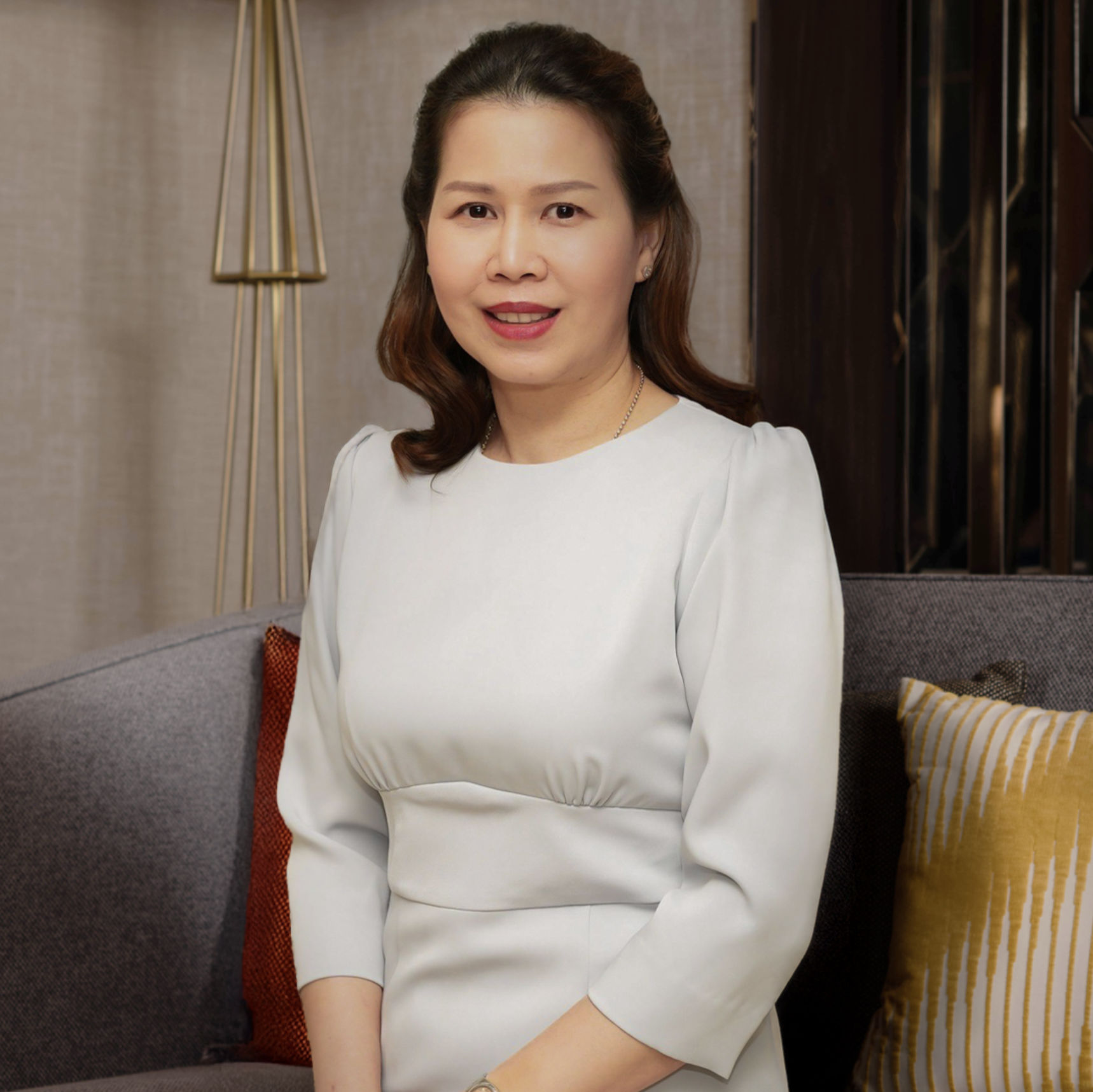
At Chatrium Hospitality in Bangkok, Panithee Bodharamik, Corporate Director of Sales, observes similar patterns. “There is now a marked emphasis on sustainability and experiential elements, with companies prioritising eco-friendly venues,” she says. “Additionally, we are witnessing increased demand for immersive technology, such as large-format LED screens and advanced audio-visual solutions to facilitate high-quality hybrid engagement.” She adds that indoor-outdoor formats are gaining traction, with coffee breaks and workshops now commonly held on riverside decks to mitigate meeting fatigue – a subtle but powerful acknowledgement of environmental psychology in event design.
Sustainability and Purpose: The New Boardroom Metrics
Sustainability has moved from optional to board-level consideration in corporate MICE planning. Lannoy emphasises, “Corporate clients increasingly ask for transparency and measurable impact. Sustainability has also become more central to conversations, particularly with international planners.” At The Ungasan, this includes sourcing regionally for culinary experiences, limiting single-use event infrastructure, and offering community-based programmes like beach initiatives as part of executive retreats.
Similarly, at Chatrium, Bodharamik highlights concrete interventions: “We bottle our own drinking water in reusable glass bottles, eliminate single-use plastics, employ LED lighting and water-saving fixtures, and donate surplus food through Scholars of Sustenance Thailand.” For planners, these initiatives are not just marketing: they directly influence the perceived value of the event, tying corporate responsibility to ROI.
Mark Wong further explains that in SLH’s portfolio, “member hotels can create highly personalised experiences and bespoke programming, particularly with exclusive buyouts and priority access to private venues. The luxury MICE segment prefers to have their own space rather than sharing with other groups.” Across the region, this preference underscores a broader insight: today’s high-value events are as much about environment and exclusivity as about content and logistics.
Experiential Storytelling: Beyond the Boardroom
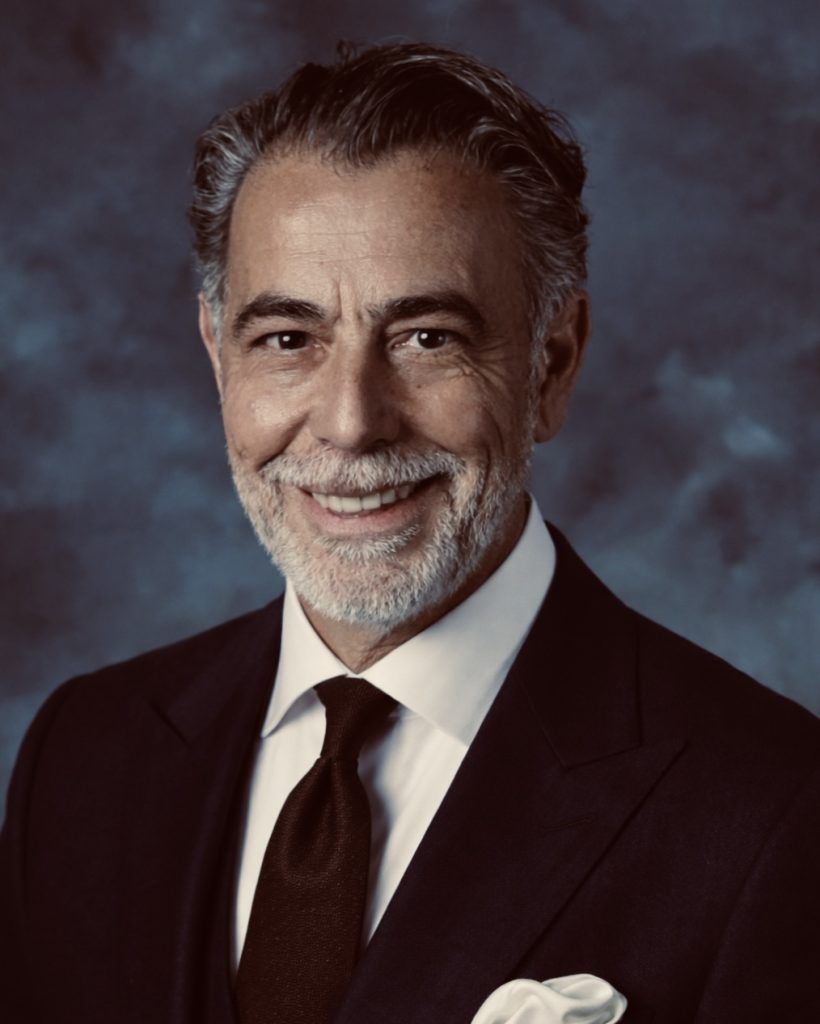
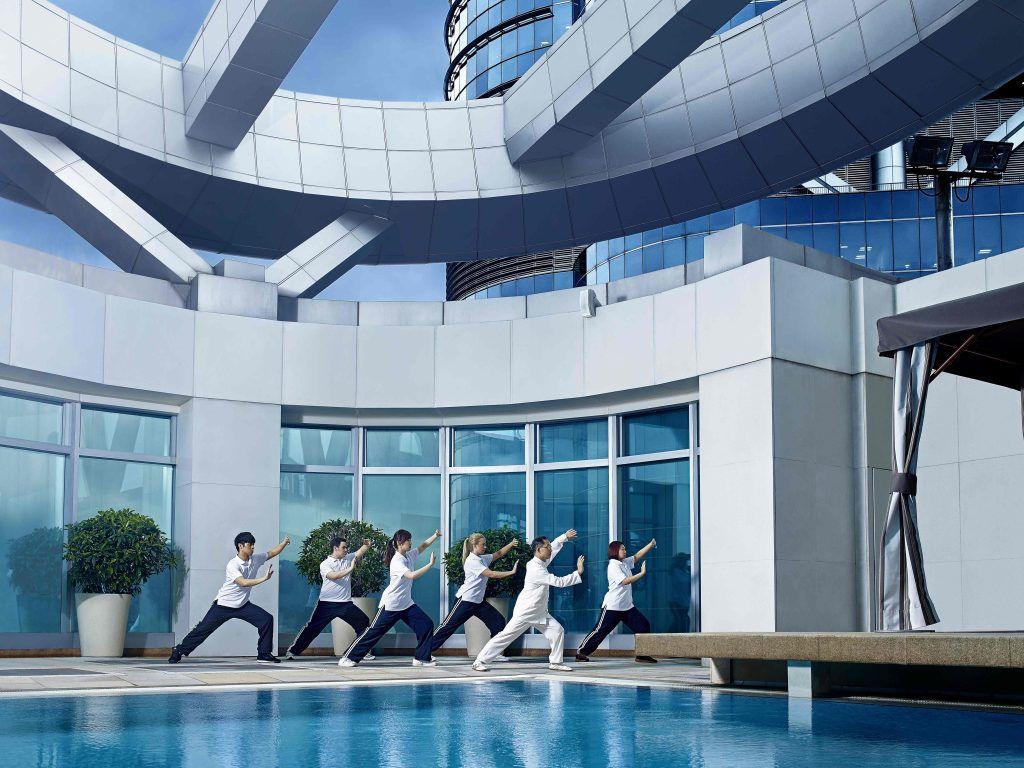
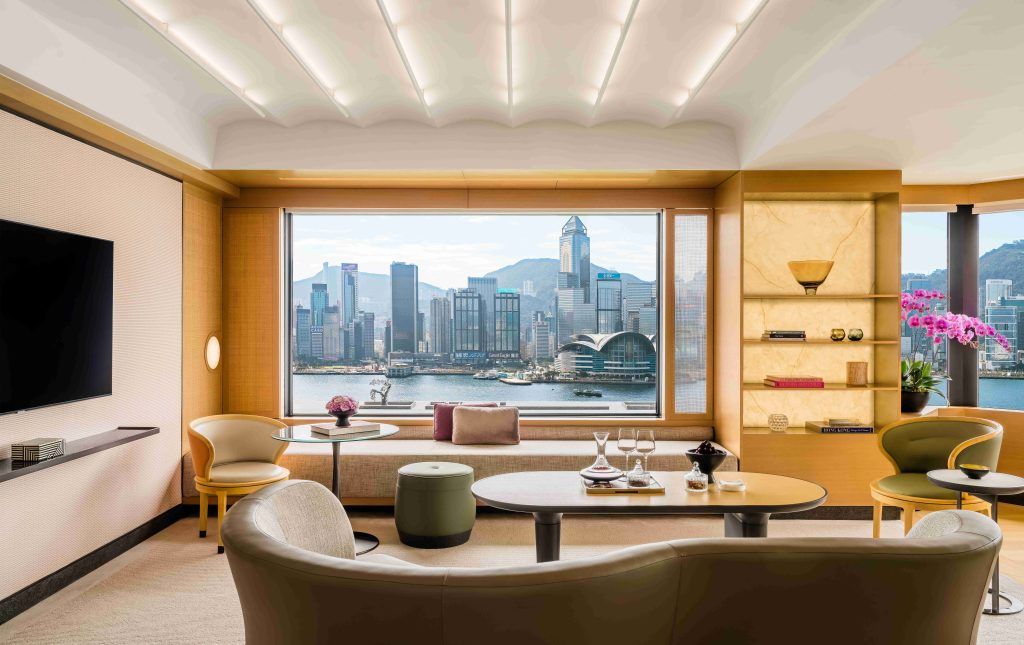
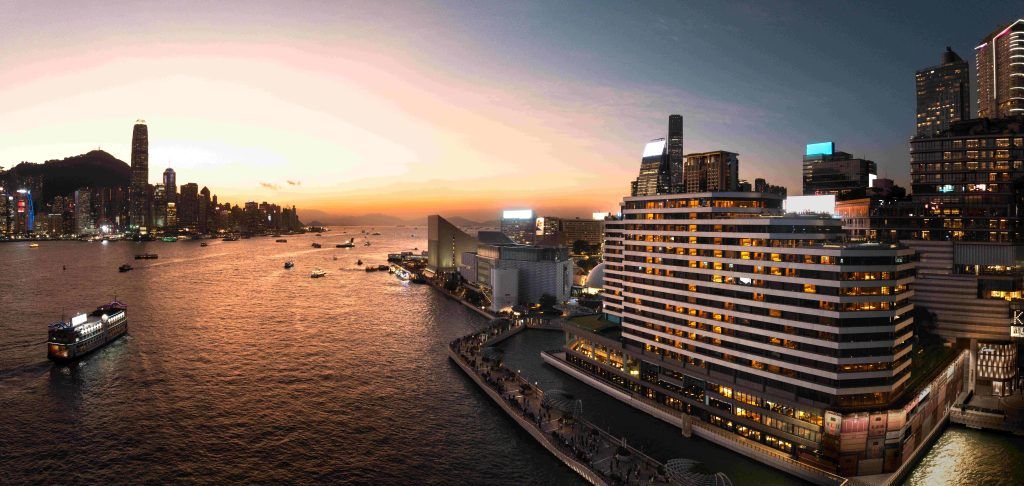
Modern MICE events are immersive narratives. At Regent Hong Kong, Michel Chertouh, Managing Director, explains: “Our philosophy of ‘On Your Terms’ and ‘We Notice’ focuses on intentional luxury: serene Chi Wing Lo-designed spaces, natural light framing Victoria Harbour, and carefully calibrated pauses for wellness and reflection.” Delegates participate in curated experiences such as chef-led tastings, private art walks, or harbour-view yoga – transforming the event into a journey rather than a meeting.
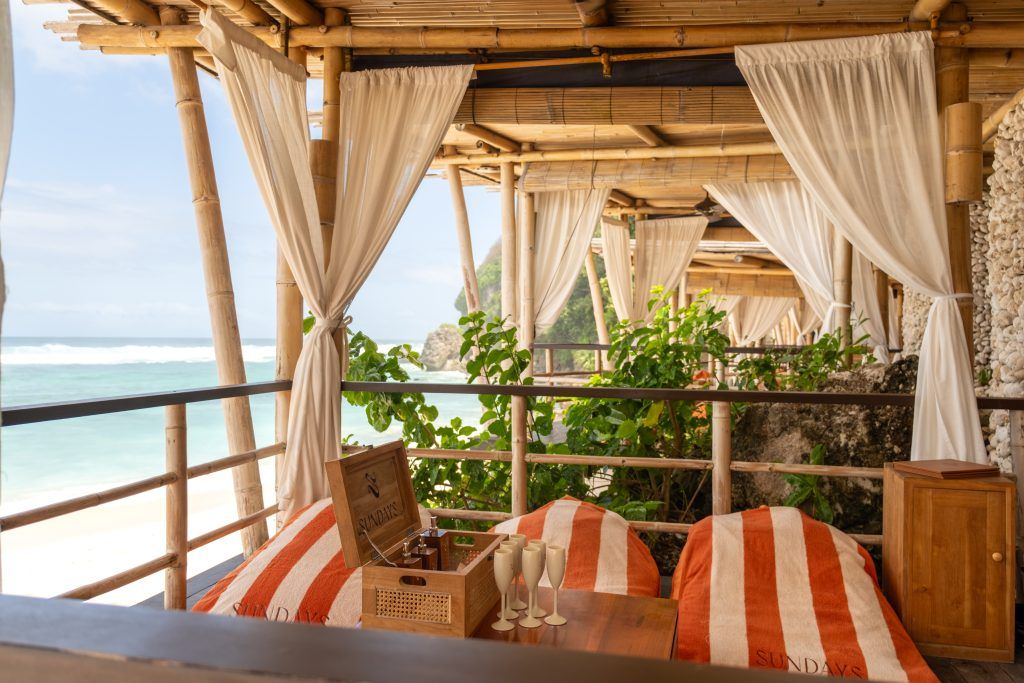
Lannoy echoes this sentiment for Bali: “Wellness elements like sunrise yoga or guided breathwork are no longer viewed as indulgent but as performance-enhancing. Cultural immersion, from Balinese blessings to traditional acoustic performances, provides grounding and authenticity. Culinary storytelling becomes a strategic networking platform rather than simply a meal.” Across cities, MICE is increasingly about curated touchpoints that fuse culture, wellness, and brand storytelling.
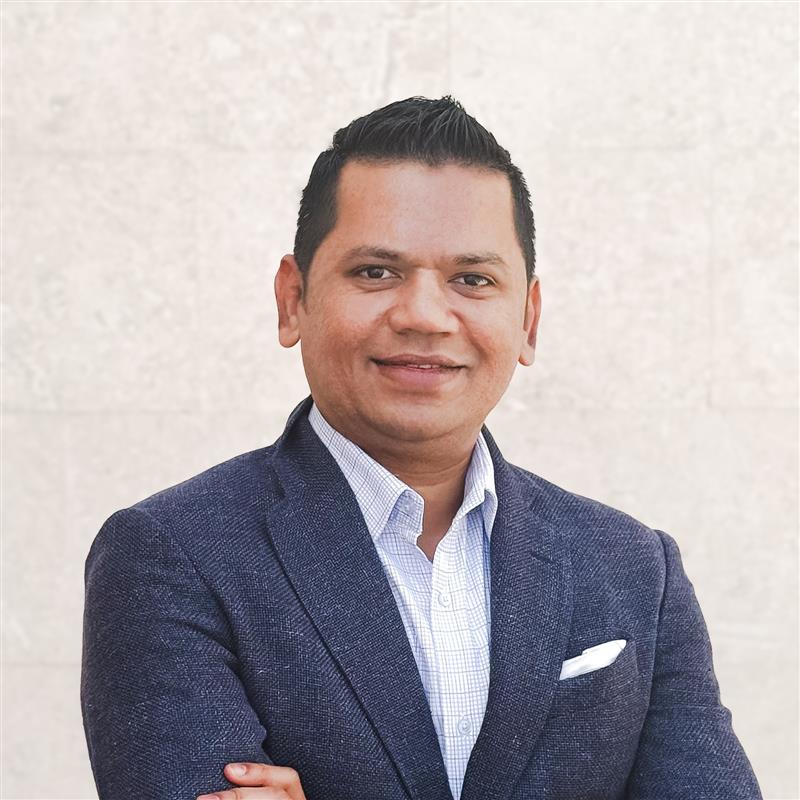
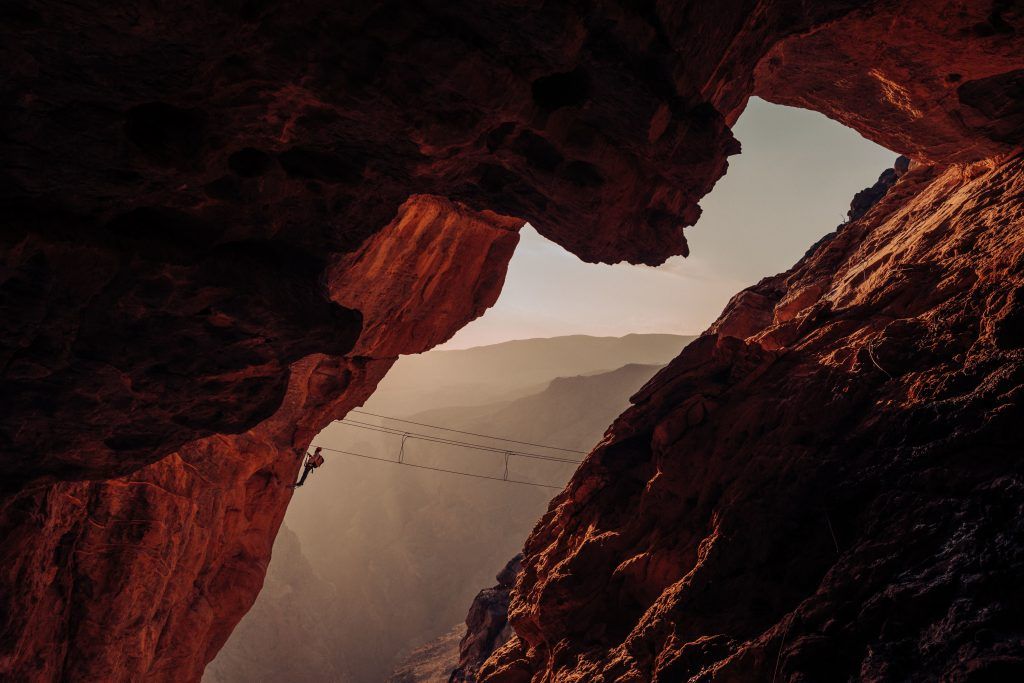
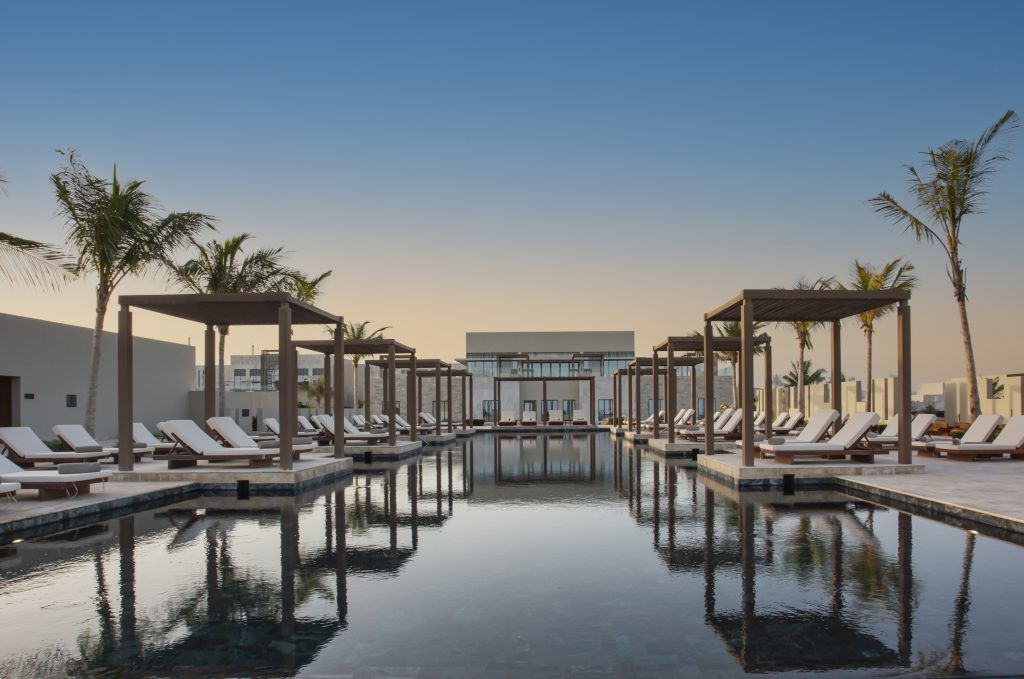
In Oman, Alila properties extend this approach to destination integration. At Alila Jabal Akhdar, HYFAIR 2025 brought together 32 global Hyatt leaders for a 48-hour summit set 2,000 metres above sea level in the dramatic Al Hajar Mountains. The remote, elevated location fostered creativity, meaningful connections, and purposeful dialogue, far removed from conventional corporate environments. Meetings were held on the iconic Jabal Deck, an open-air platform overlooking the canyon, transforming the boardroom into a space of sweeping inspiration. “Delegates experienced hydroponic harvest sessions followed by farm-to-table lunches, wellness programmes within the resort, via ferrate challenges between groups to encourage team bonding, and private stargazing under Oman’s pristine night skies,” says Kiran Sonawane, Cluster Commercial Director of Sales and Marketing. “The setting transformed the agenda into a fully immersive leadership retreat rather than a conventional meeting.”
Another highlight included a regional leadership summit for a global financial services company, which took the unprecedented step of privatising W Singapore – Sentosa Cove for over 240 senior executives from across the Asia-Pacific region. The summit was designed as a fully immersive, tailor-made MICE experience, seamlessly integrating strategic objectives with destination-driven moments that reflected the energy and spirit of the island. Each day began with revitalising morning wellness sessions, providing delegates with the opportunity to reset, recharge, and connect in a relaxed setting before engaging in intensive strategic discussions. This thoughtful balance of wellbeing and business established a focused, energised tone that carried through the entire summit. “The themed meeting concept was thoughtfully expressed through both setup and culinary design,” says Cheryl Yuen, Director of Sales and Marketing, W Singapore – Sentosa Cove. “Event spaces were transformed with customised staging, branding elements and atmospheric lighting aligned with the summit’s leadership theme, creating a cohesive visual identity throughout the programme.”
The Rise of Small-Group Executive Retreats
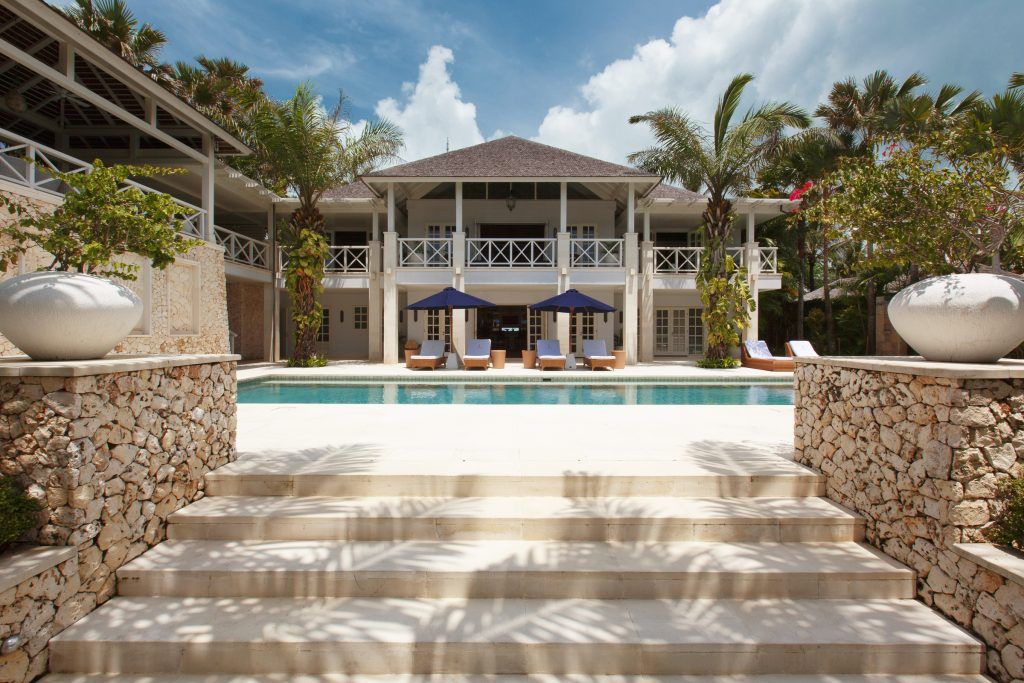
Across the region, a clear shift toward smaller, high-impact programmes is apparent. Lannoy observes: “Two-to three-night programmes are the norm, with tightly curated agendas that blend strategy with connection. Because we are villa-based and buyout-driven, we adapt easily to this model.” Villas become residential boardrooms, poolside terraces transform into think tanks, and lawn spaces provide dramatic settings for presentations – all contributing to more candid dialogue and meaningful collaboration.
This approach aligns with data from SLH: 35% of their properties are city hotels, 33% resorts, and 32% country houses, ideal for small, intensive meetings. The emphasis is on quality over scale, with planners increasingly willing to pay premiums for privacy, exclusivity, and authentic settings that elevate both experience and outcome.
Location, Connectivity, and Competitive Advantage
Destination choice remains strategic. Bangkok’s blend of cultural richness, riverside serenity, and accessibility offers experiences that larger hubs cannot replicate. Hong Kong’s global connectivity, exceptional venues, and East-meets-West appeal are supported by world-class infrastructure such as Kai Tak Sports Park, Hong Kong Convention and Exhibition Centre, and AsiaWorld-Expo.
Across Asia, planners are leveraging unique local assets: Bali’s cliffs and beaches, Oman’s mountains and coastlines, Singapore’s riverfronts, and Hong Kong’s harbourfront views. The message is consistent: differentiation comes from place, story, and environment, not just square footage or ballroom capacity.
BurdaLuxury’s Lens
From Bangkok to Bali, Hong Kong to Oman, Asia’s MICE sector is not just rebounding – it is reinventing itself. Corporate events are no longer measured solely by headcount or square footage; success is now defined by authenticity, engagement, and impact. Sustainability, wellness, and cultural storytelling are inseparable from luxury, and technology seamlessly supports both operational precision and hybrid participation.
For executives and planners, the lesson is clear: curated, experiential events create both tangible ROI and enduring emotional resonance. From clifftop villas to riverside decks and heritage properties to cutting-edge urban hotels, Asia offers a rich palette of environments where business meets beauty, and meetings become memories.
In the words of Lannoy: “Whether it is a couple exchanging vows at sunset or a leadership team redefining their five-year vision, the objective is similar: to create a moment that feels significant, elevated, and impossible to replicate elsewhere.” Across Asia, that moment is no longer confined to leisure travel – it defines the future of corporate engagement.