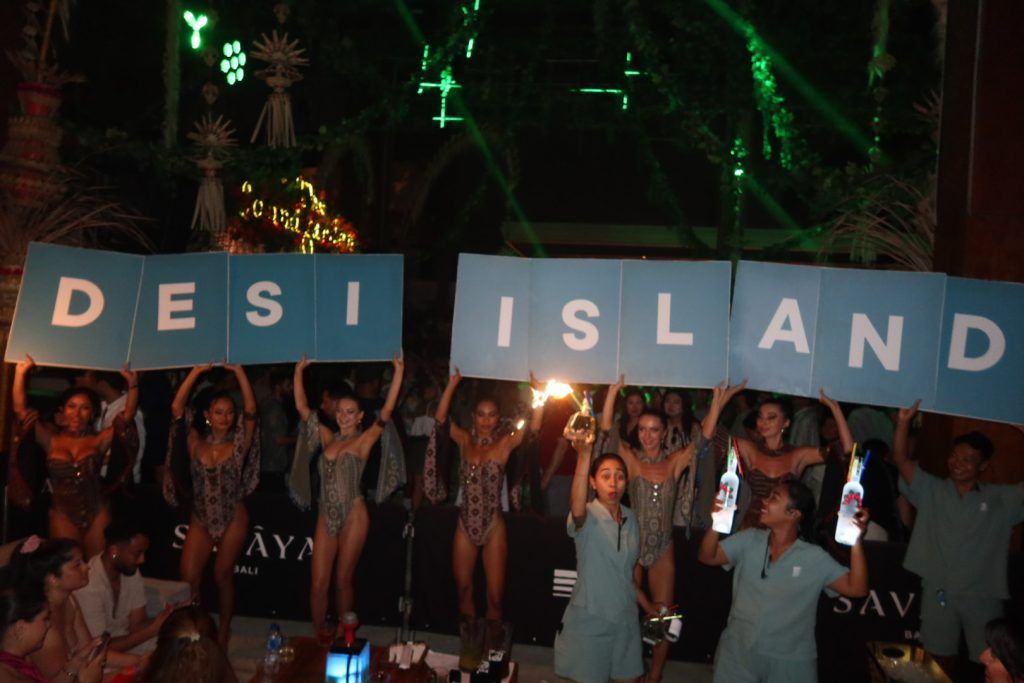
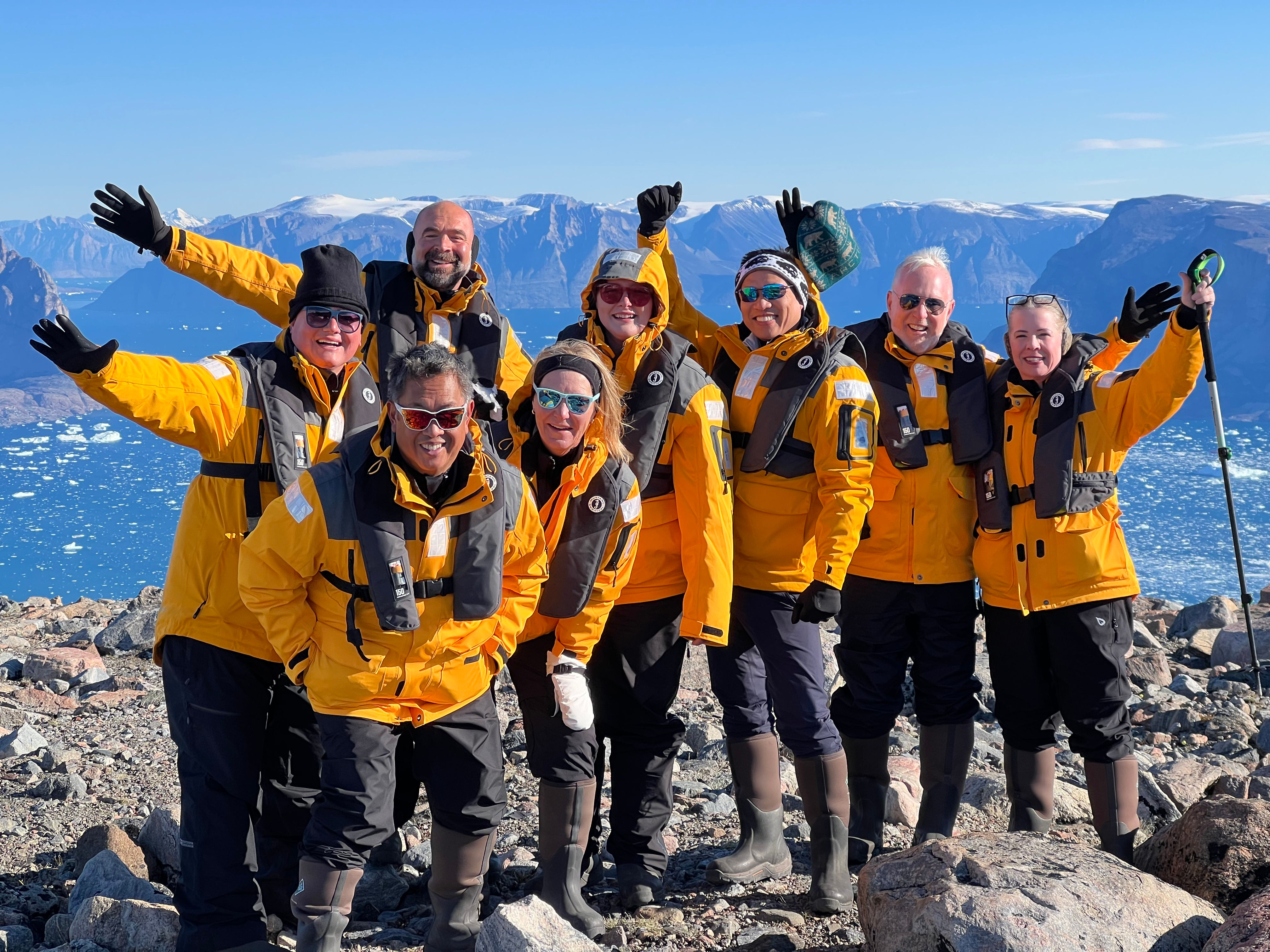
In 2025, from September 26 to October 3, over 70 South Asian singles gathered for a week-long dating experience in Bali. Dubbed a “whole big fat South Asian wedding party,” the trip included dreamy villas, a welcome villa party, visits to some of the world’s best beach clubs, ATV-ing in the jungle, whitewater rafting, a boat day to another island – and, of course, the main attraction: the opportunity to find the love of their life. The Desi Love Island trip, hosted by Dr. Nabila Ismail, founder of the Dose of Travel Club (DOTC) and a content creator, brought together contestants from New York, Hong Kong, Melbourne, and beyond.
“The inspiration came from witnessing a cultural paradox firsthand. Post-pandemic, we were all celebrating digital connection and online community, yet I found myself and so many others starving for tangible human experiences,” Ismail tells BurdaLuxury.
Images Courtesy of Dose of Travel Club
At a time when online dating is ubiquitous, when swipes and algorithms often feel like the default medium for meeting others, there is a growing desire for travel experiences that prioritise real-life connection. This is the new wave of romance and friendship tourism – trips intentionally designed not just to see a place, but to meet people, to form bonds, and to explore human connection in its most authentic form.
Dr. Ismail’s trips exemplify this shift. “There’s this unique challenge that surfaces in your late twenties and beyond: everyone enters different life chapters simultaneously. Some friends are getting married, others are building families, many are relocating for career opportunities. The traditional infrastructure for building adult friendships essentially dissolves,” she explains. As someone who has travelled extensively, she notes that “the most profound relationships come from shared experiences in unfamiliar places. You’re outside your routine, more open, more present. I had zero interest in reducing human connection to swipe patterns on dating apps. So I started asking, what if we designed travel experiences specifically around the thing apps can never replicate – the magic of real presence, shared adventure, and organic connection?”
The Rise of Connection-Driven Travel
The desire for human connection through travel is not limited to one demographic. Solo travel, already a booming market, has become fertile ground for trips focused on community and shared experience. The global solo travel market was estimated at US$482 billion in 2024 and is projected to more than double by 2030. In the US, solo travel is among the fastest-growing segments, with a particularly high uptake among Millennials and Gen Z. Many travellers are seeking companionship or friendship as much as they are looking for new destinations.
Beyond statistics, the cultural context is revealing. Years of digital-first interaction, accelerated by the pandemic, have produced a paradox: while online platforms offer unprecedented connectivity, they can also foster isolation. There is now a generational hunger for experiences that feel organic, unscripted, and human. “We’re witnessing a fascinating correction happening right now,” Ismail observes. “After years of digital-first everything, in-person community has paradoxically become novel again. There’s a growing recognition that the tools we thought would connect us more deeply have actually created a kind of relational atrophy.”
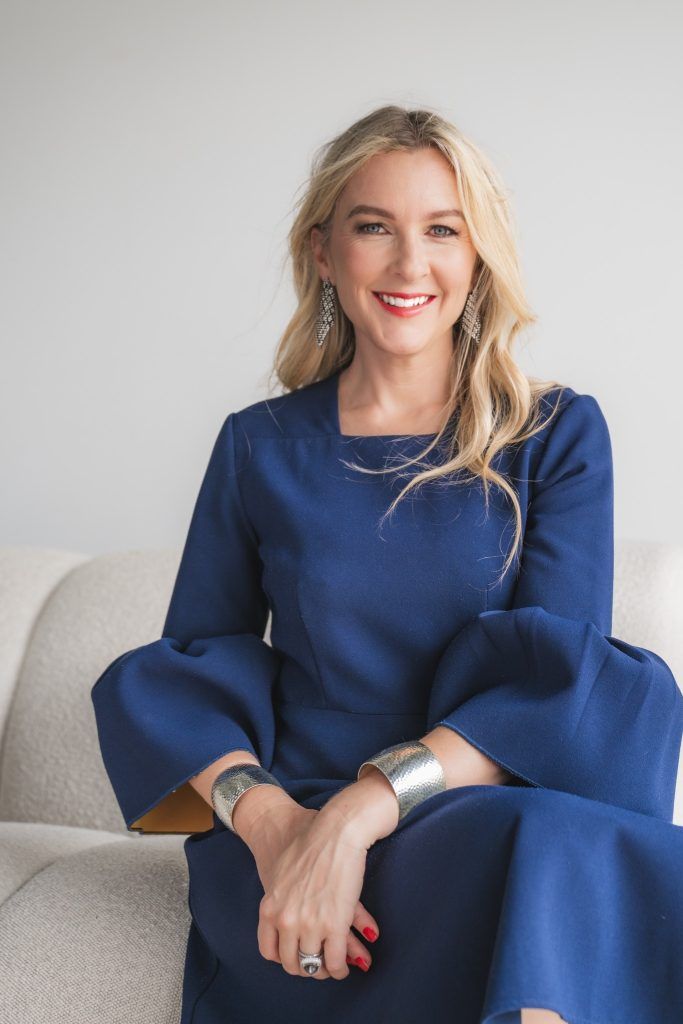
Dr. Nabila Ismail
This search for authentic connection is evident in the design of these experiences. Participants do not merely attend a curated tour; they enter an environment where organic interactions are deliberately encouraged. “You can’t have genuine intimacy without trust, and you can’t build trust without safety as the foundation. Our host model is central to this balance,” Ismail explains. Hosts are trained facilitators who understand group dynamics, creating space for natural connection while maintaining both physical and emotional safety.
Beyond Singles: LGBTQ+ and Special Interest Travel
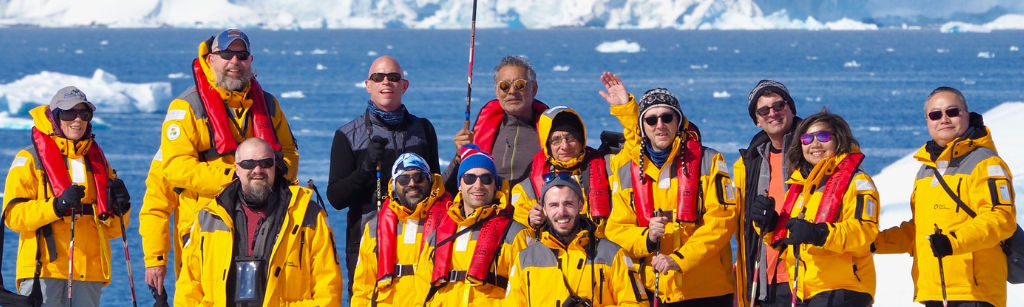
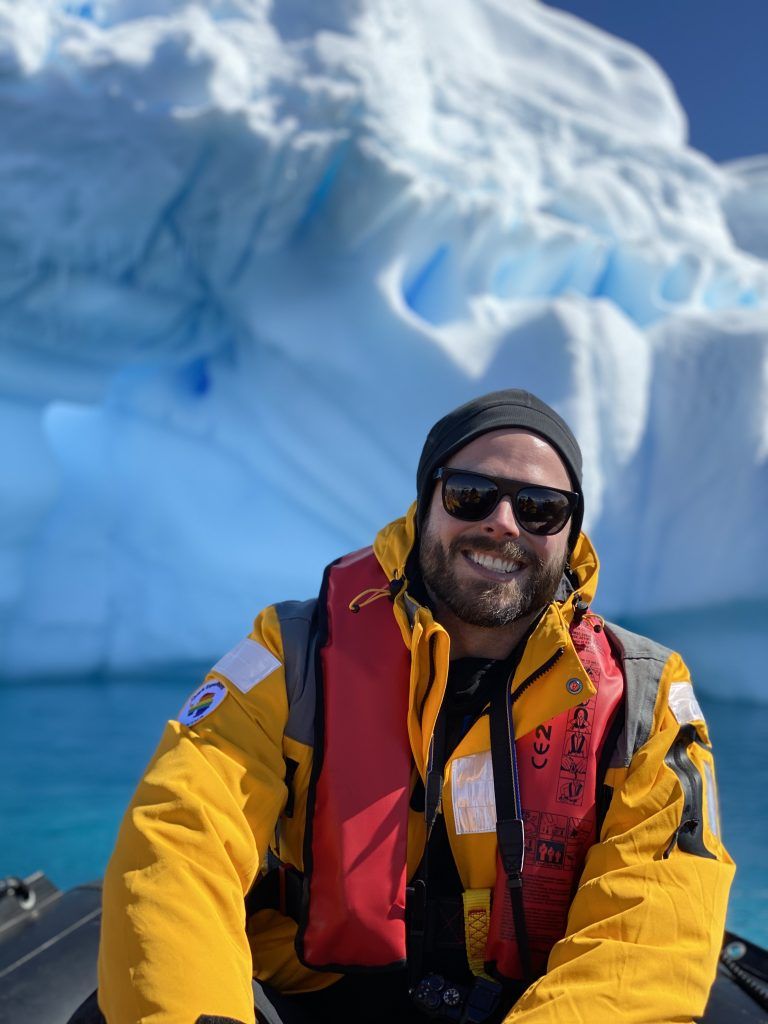
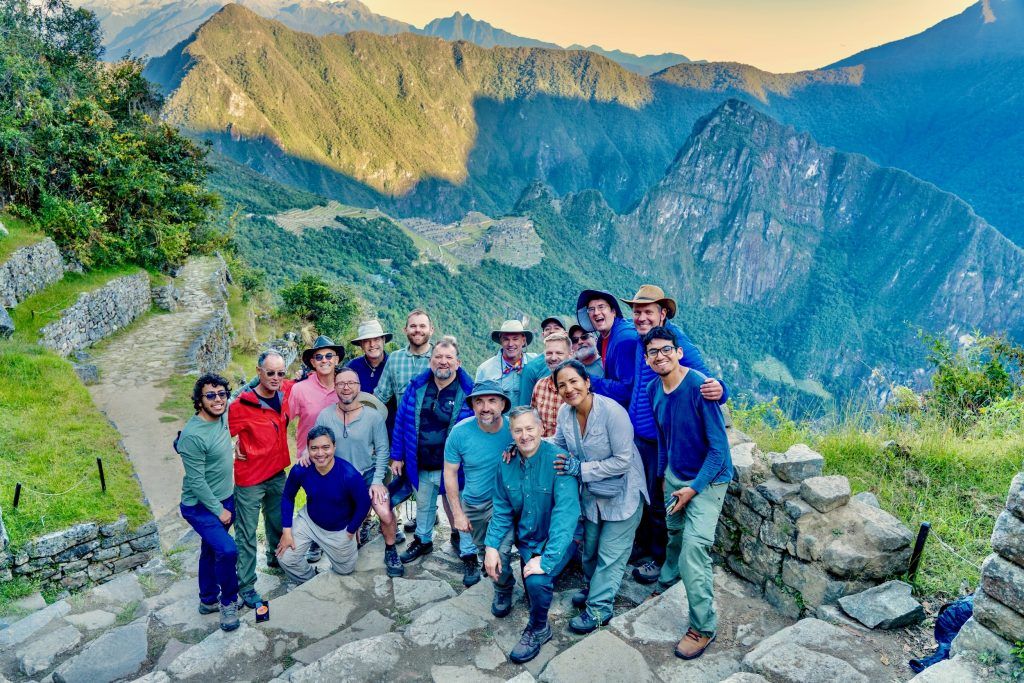
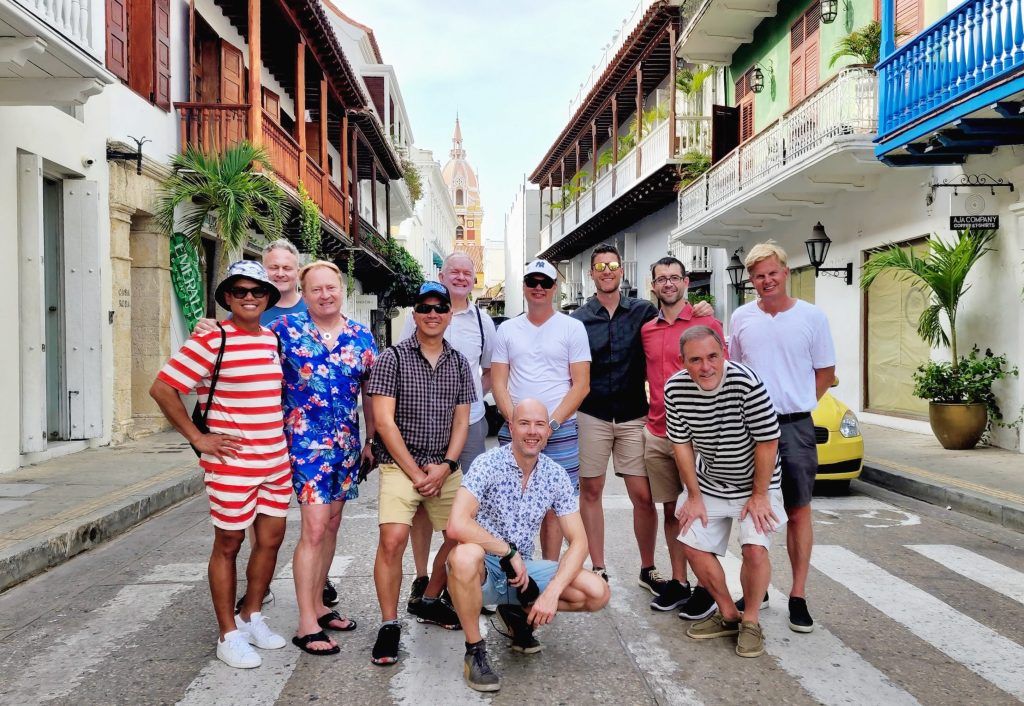
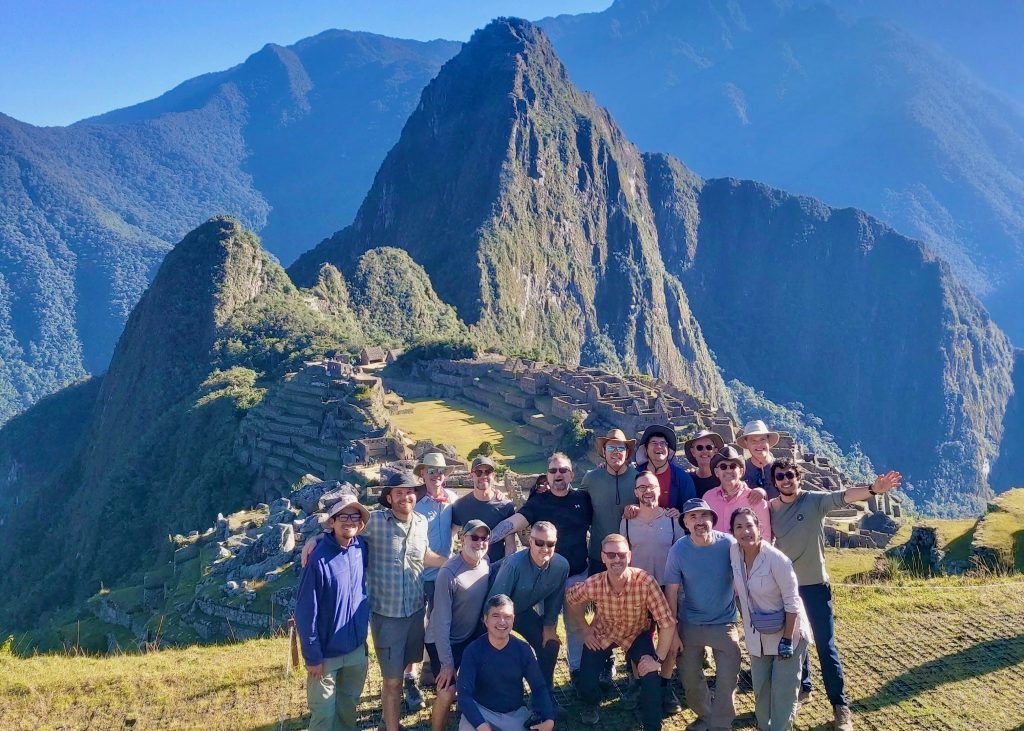
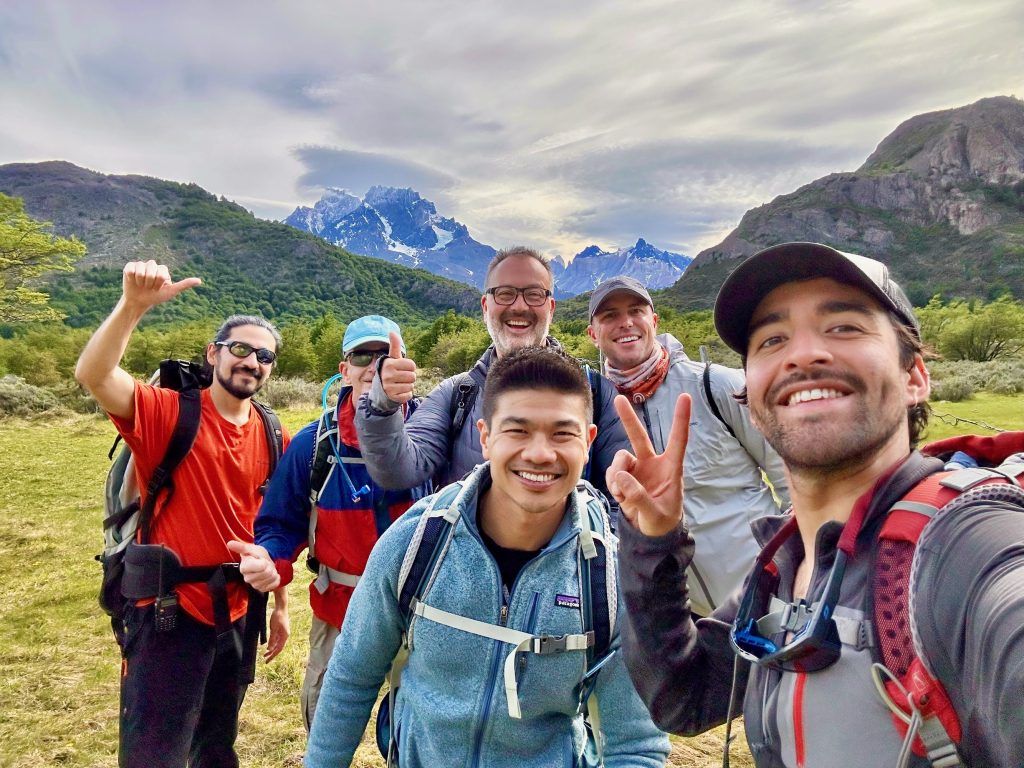
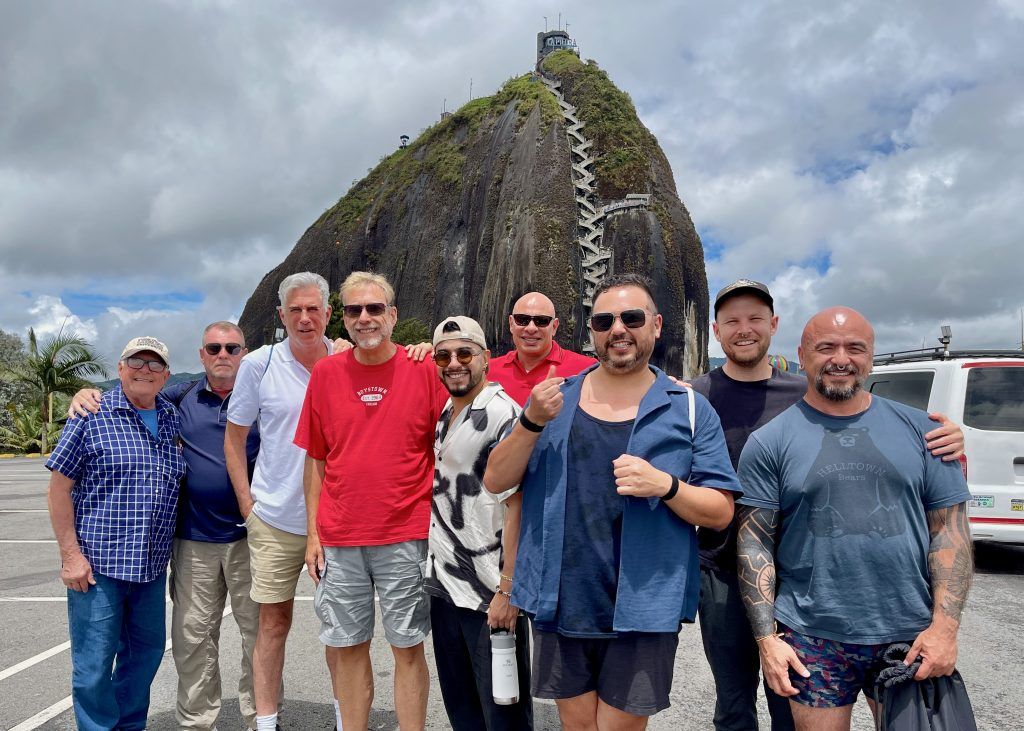
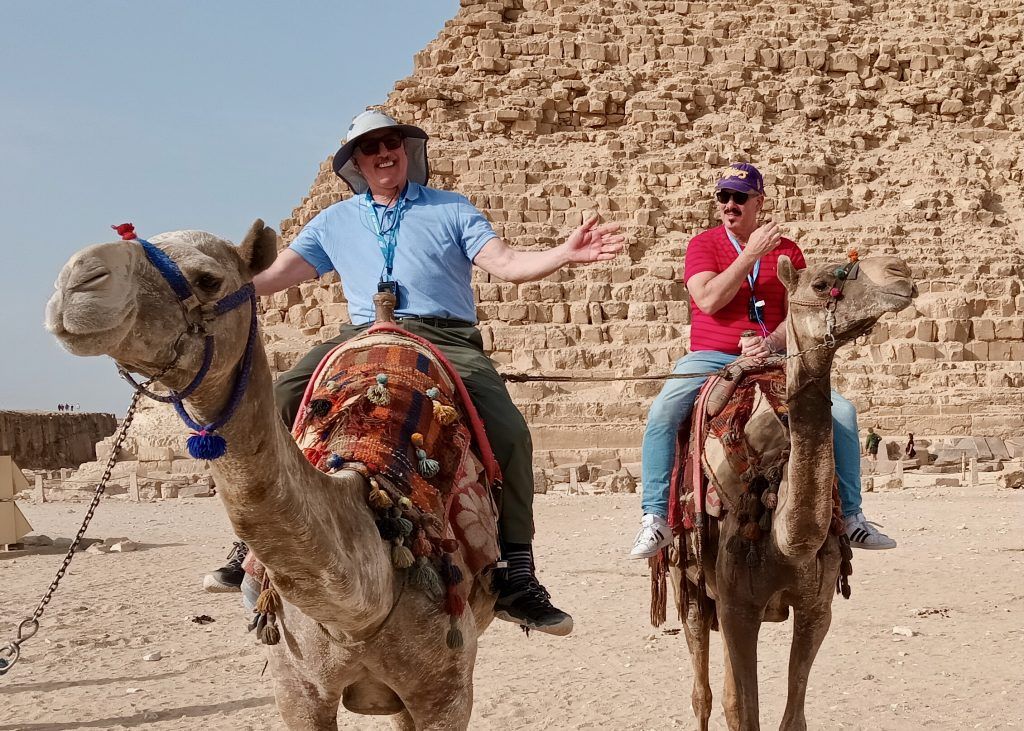
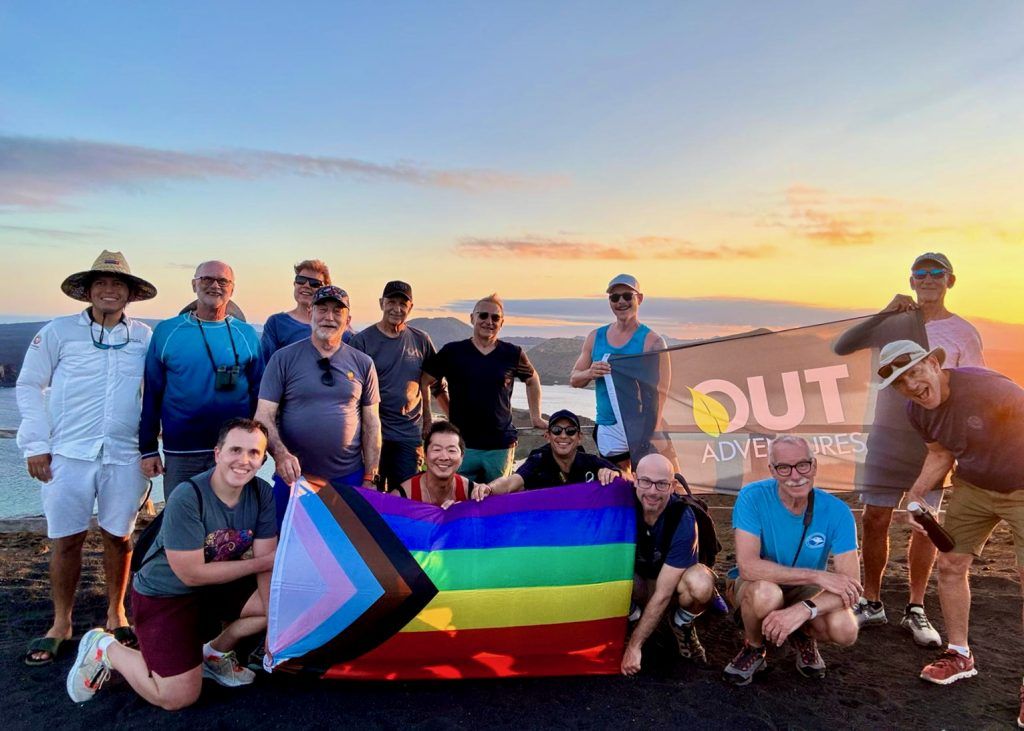
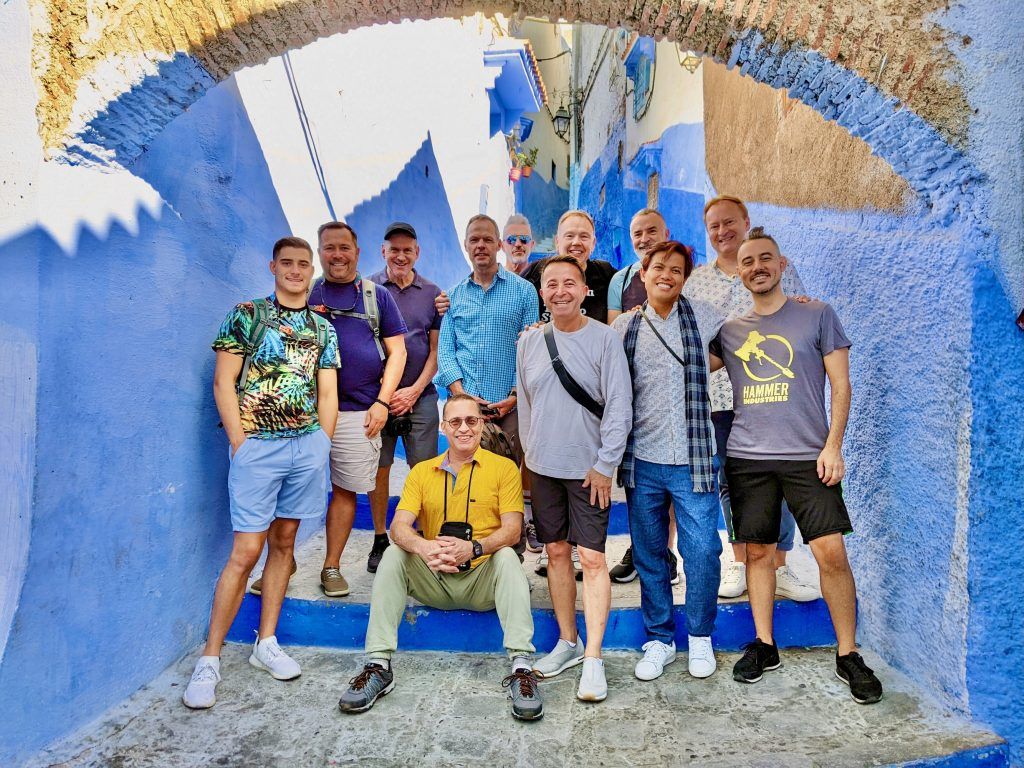
Out Adventures, co-founded by Robert Sharp, has been exploring connection-focused travel from a different angle since 2008, with a particular focus on LGBTQ+ travellers. Sharp recognised a gap in offerings that were not only high-end but also genuinely connected to local communities and culturally respectful. “When guests join us, there is an immediate sense of shared understanding. A feeling of ‘these are my people.’ That comfort helps everyone relax, show up authentically, and build the kind of camaraderie that often becomes a chosen family by the end of the trip,” he explains.
Robert Sharp
Queer identities, Sharp notes, often accelerate the formation of friendships and sometimes romance. “On any special interest tour, people bond over shared experiences. For LGBTQ+ travellers, there is often an added layer of understanding. It is rare to be in a space where you can simply be yourself while also respecting the culture you are visiting. That freedom often opens the door to a deeper connection.” Trips are typically ten days long, creating an environment where connections can develop naturally – far faster than in everyday life.
Safety and inclusivity remain at the forefront of these offerings. “Some of our most sought-after destinations are in countries where attitudes towards LGBTQ+ people can be complicated,” Sharp says. “This is where Out Adventures shines. We work closely with local partners to vet our guides, hotels, and experiences to ensure they are genuinely welcoming of our guests. That groundwork removes much of the uncertainty for travellers who may have dreamed of visiting a destination but felt hesitant to do so as a queer person.”
Carly Vidal-Wallace
Carly Vidal-Wallace, Director of Celestial Fantasy Events, which brings fantasy novels to life, adds perspective on why these retreats are increasingly popular across demographics. “Since COVID, people are feeling more disconnected than ever. Online spaces and social media often isolate rather than connect, and fewer people are joining traditional community groups. If you don’t have young children to naturally meet other parents, it can be especially challenging to form genuine friendships as an adult. These retreats give people a chance to belong to a community of like-minded individuals – a space where they feel truly seen and accepted.
Her observation is echoed in the experiences of participants themselves. Many attendees return year after year, citing friendships formed at one retreat as sustaining their social lives throughout the year. “It’s probably rewarding to see people leave feeling less alone and genuinely seen,” Vidal-Wallace reflects.
Statistics Reflect the Trend
Numbers reinforce what operators and participants have long sensed: people want connection-driven travel. Surveys show that a significant proportion of solo travellers now actively seek social or community-oriented experiences. According to a 2025 Solo Traveler Reader Survey, 80% of respondents were women, many older than 55, highlighting that the appeal of friendship or romance-focused travel spans age groups. A study by Arival indicated that nearly 50% of travellers in the US and Europe opted for private or small-group tours in 2024, preferring intimacy and the possibility of meaningful connection over large-scale sightseeing.
This market growth is mirrored in mainstream operators. Contiki, G Adventures, and other globally recognised brands have introduced small-group itineraries aimed at social travellers, often targeting single adults or specific interest communities. The philosophy is simple yet effective: structured activities facilitate initial bonding, while free time allows connections to flourish organically.
Stories That Illustrate the Shift
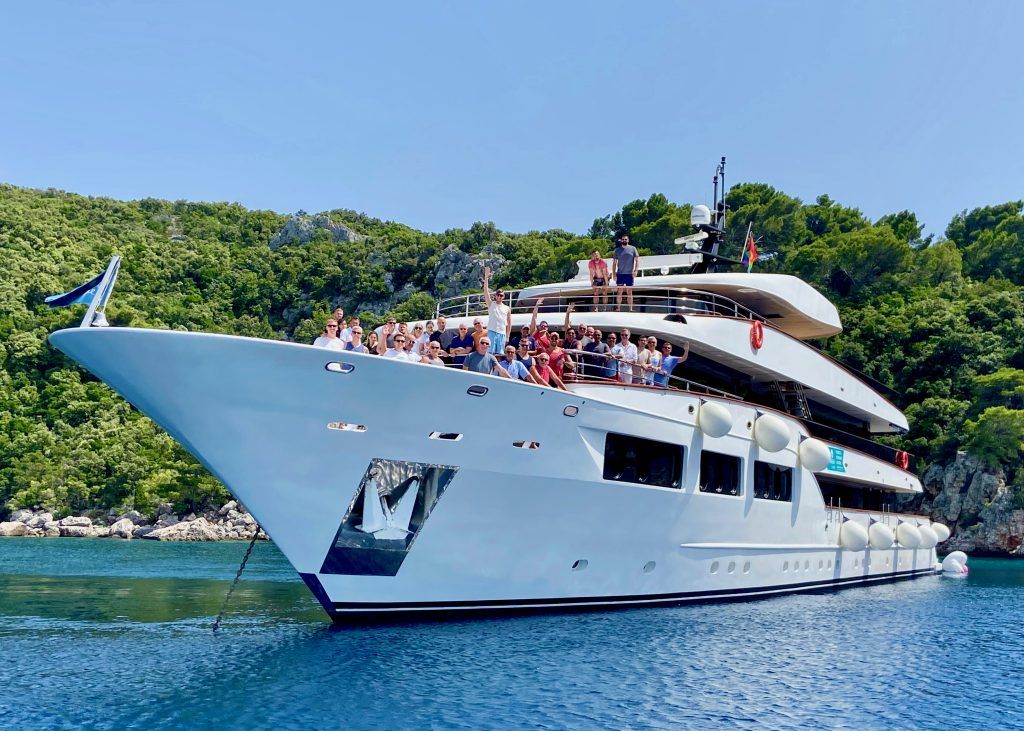
Dr. Ismail has hosted dozens of travellers already. She recounts a trip to Thailand with 50 participants, describing the experience as something “that resembled a family reunion.” Friendships from that week-long adventure continue to flourish, with reunions organised across London, New York, the Dominican Republic, Malta, Portugal, and Morocco. Some participants have relocated to new cities, and their first friends in those cities were ones they had met on the trip. “We’re not selling a week-long trip. We’re catalysing communities that have their own momentum and longevity. The trip is just the beginning,” she says.
As some participants have moved across the country for work, the friendships they forged on the trips have become the foundation of new communities in these cities. One traveller, leaving Australia for a year in New York, found his first circle of friends there were made up of fellow DOTC participants who had also relocated. Beyond individual connections, the trips have fostered cross-pollination between different experiences, with bonds forming between attendees of the Greece and Thailand adventures, creating a wider, interconnected network of friendships that stretches across continents.
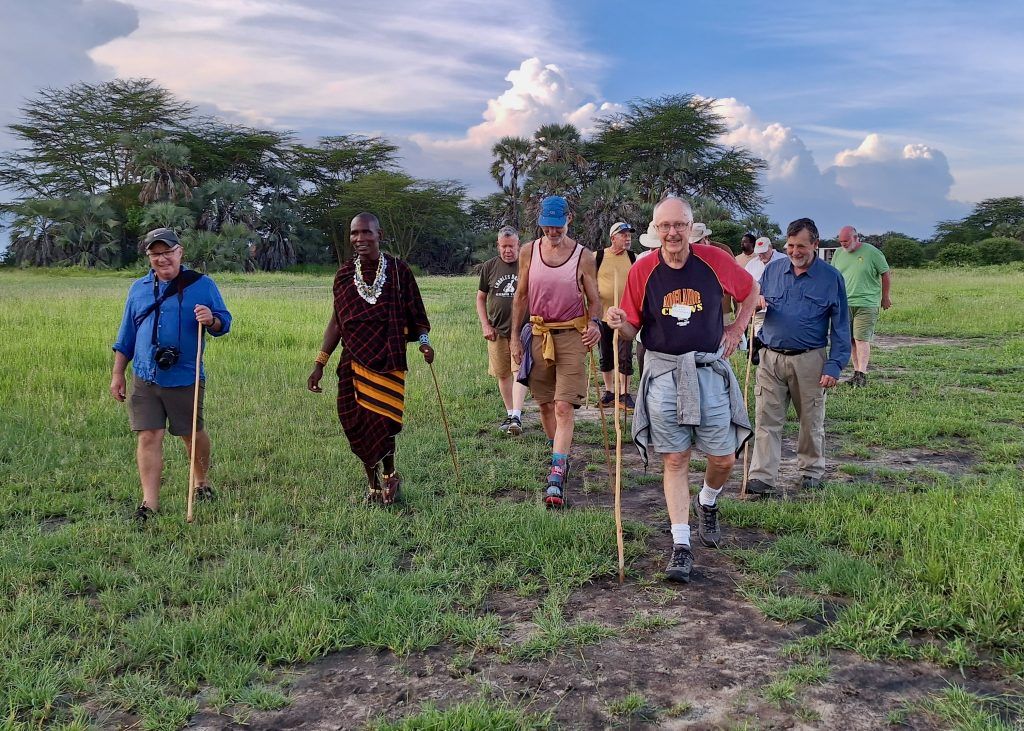
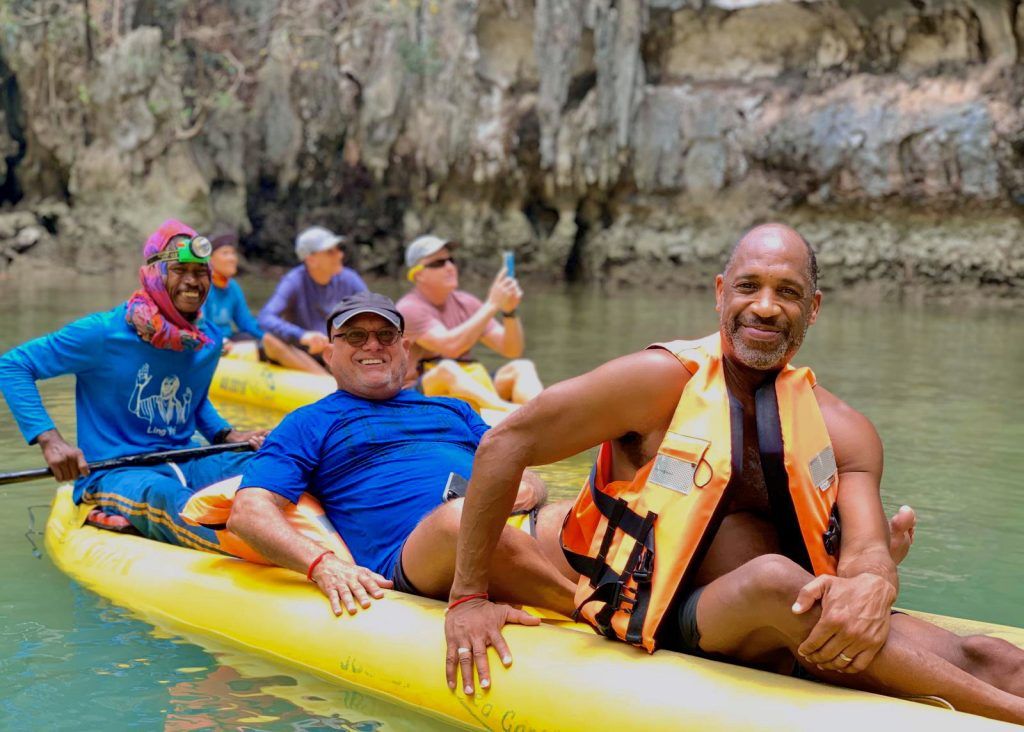
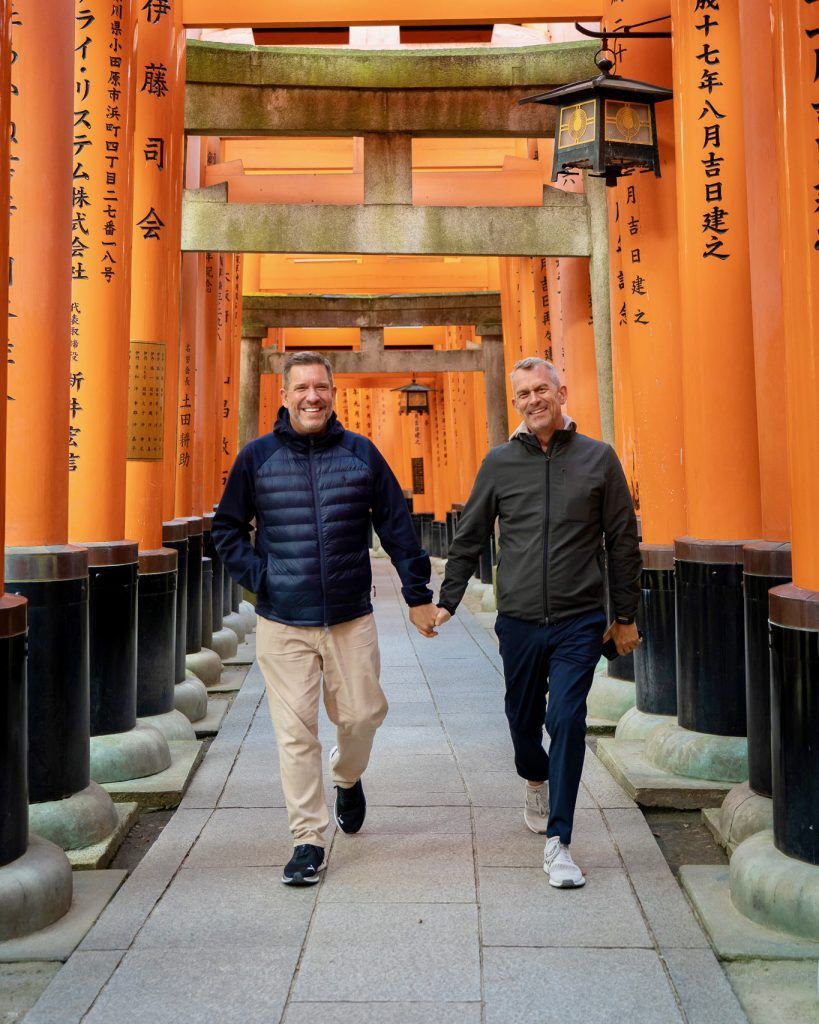
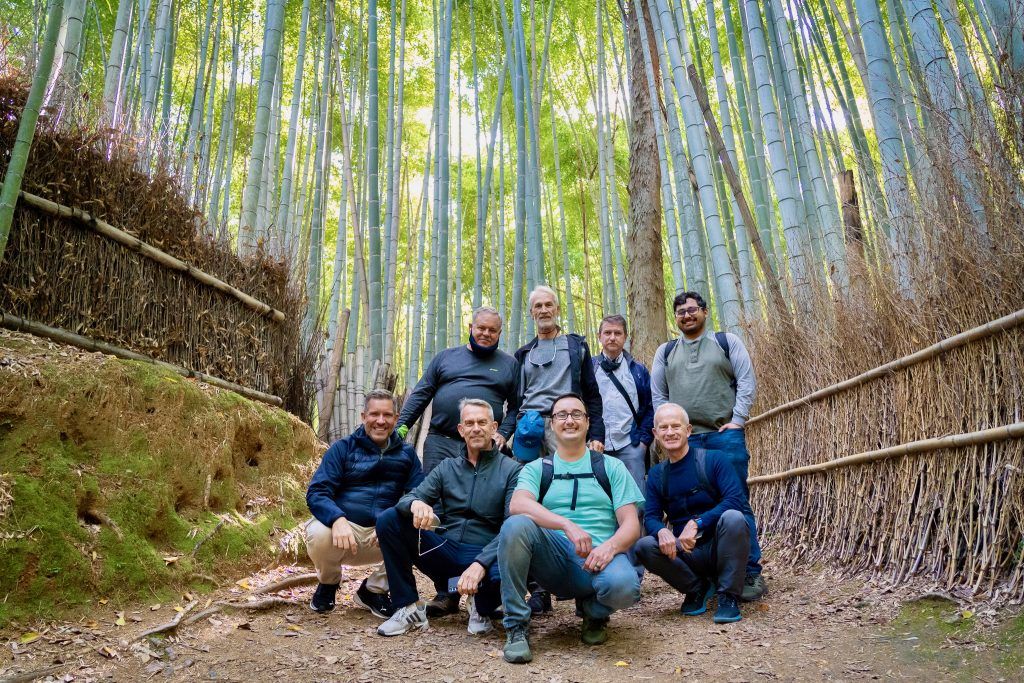
Similarly, Sharp shares stories of Out Adventures participants who met on tours and later visited each other across countries, celebrated milestones together, and reunited on future departures. “Camaraderie is the backbone of our trips,” he says. “Some of the most rewarding moments for our team are seeing guests who met on one of our tours continue building their friendship for years afterwards. Each trip’s group chat often becomes its own little community. Long after the journey ends, people are still sharing photos, planning meetups and cheering each other on.”
On every trip, Out Adventures sets up a group chat. “A great example of this friendship is how far into the future these group chats continue,” notes Sharp. “Guests will post photos meeting up in other cities, at events, and visiting each other. It’s a truly special thing.”
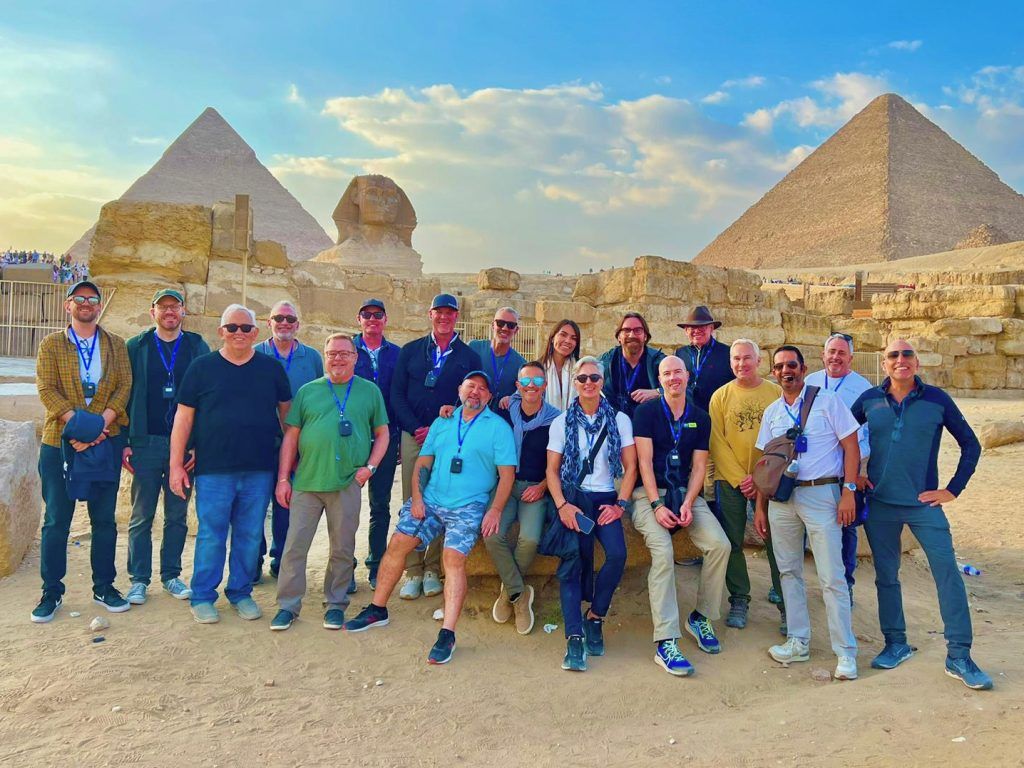
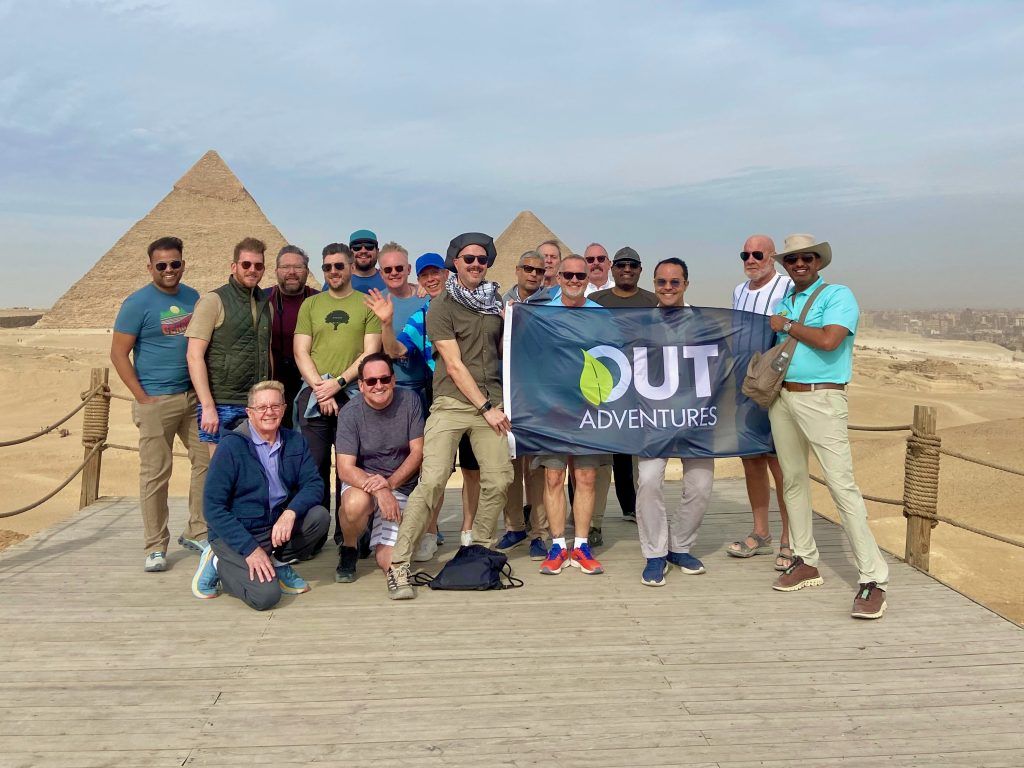
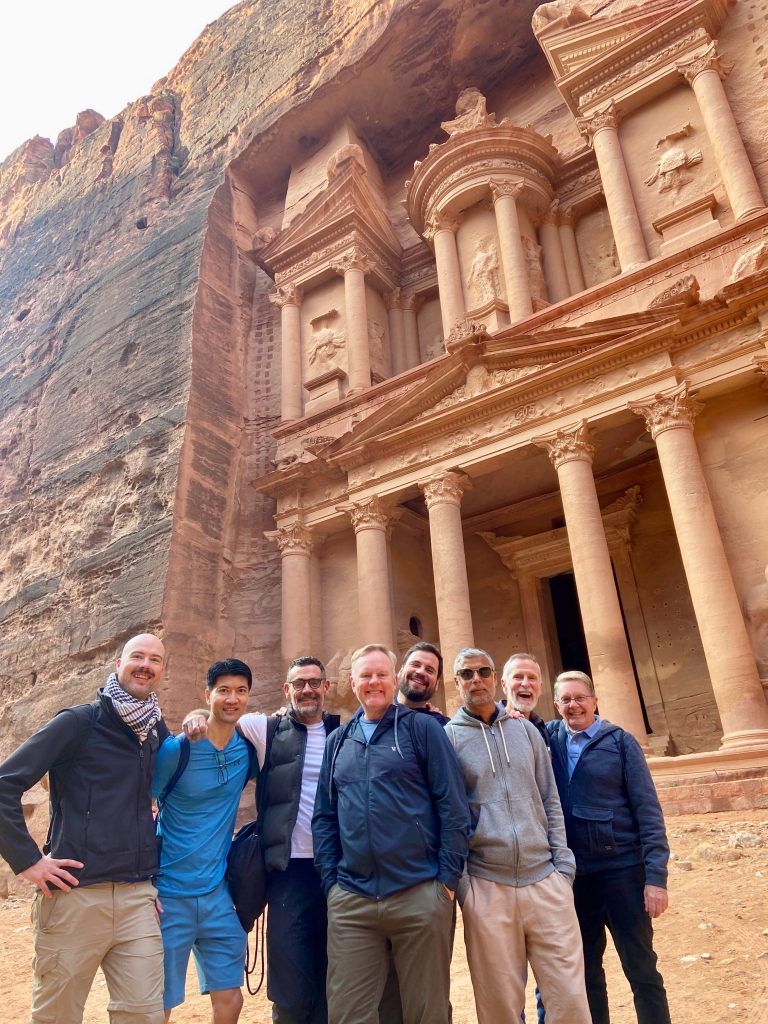
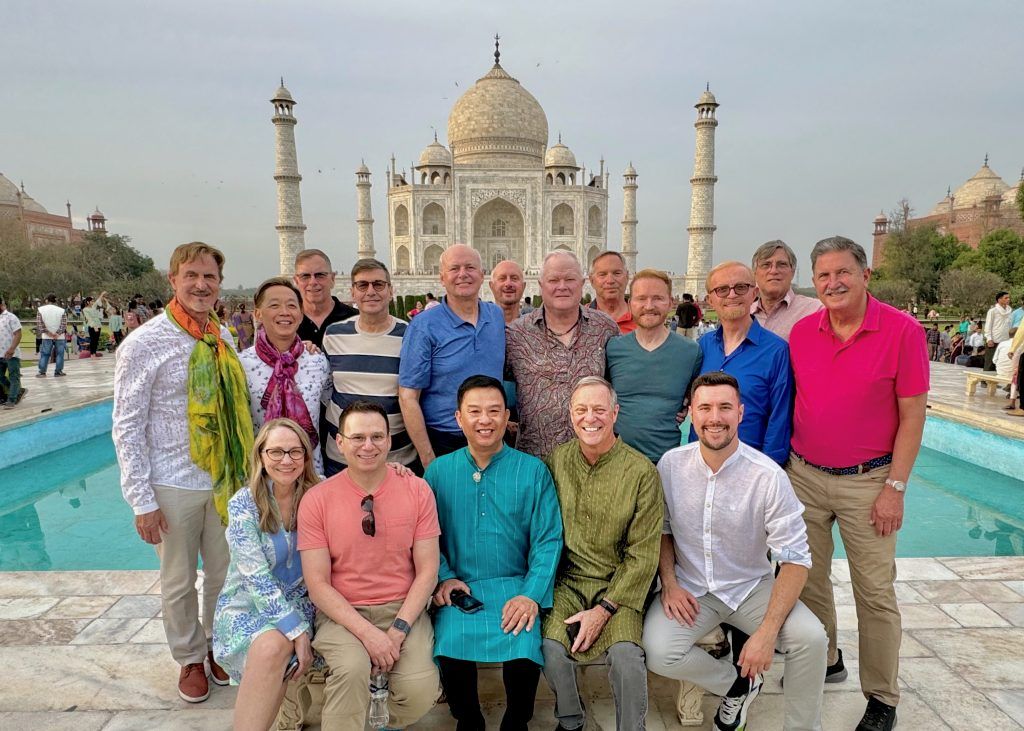
Images Courtesy of Out Adventures
These stories underline the human craving for connection that transcends demographics, culture, or geography. Travel is no longer merely about seeing a place; it has become a vehicle for building meaningful relationships, for creating communities that might not exist in participants’ everyday lives.
The Psychology Behind Connection Travel
Psychologists have long noted that adult friendship formation slows down after early adulthood. Research suggests that forming deep friendships typically requires roughly 80-100 hours of shared experience, which most adults find difficult to accumulate naturally.
“Beyond the traditional structures like work, family, school, we lost many pathways for adult connection,” Ismail observes. “People are actively searching for alternatives that feel authentic and low-pressure. They want relationships that form naturally, around shared experiences rather than algorithms. There’s also less stigma around being intentional about seeking connection.”
Travel compresses this timeline. Immersed in new surroundings, away from routine responsibilities, participants spend more time together in a variety of social contexts, accelerating intimacy.
“Travelling with a group of like-minded people caters to that without the pressure and provides multiple benefits, a convenient and planned trip for you, friends if you want them or not, or possibly a romantic relationship. Why not combine the desire to explore with the desire to build community?” adds Ismail. Trips that combine adventure, wellness, and social activities create the perfect environment for friendships and romance to flourish naturally. Structured moments of reflection, team challenges, or shared meals offer participants a framework to interact without the superficiality of online interactions.
Vidal-Wallace adds that retreats are increasingly attentive to diverse needs. “We take attendee needs very seriously from the start, collecting detailed information during sign-up, particularly as many guests are neurodiverse or bring carers. We have a trained safety coordinator on site, and all staff have first aid and mental health training. To foster genuine connections, we create safe, fun, and positive spaces for sharing, avoiding heavy or traumatic topics.”
Where the Trend is Heading
The growth of friendship and romance-focused travel is already nudging mainstream tourism. “The travellers emerging now, particularly millennials and Gen Z, aren’t just asking ‘where should I go?’ They’re asking ‘who will I become’ and ‘who will I meet'” says Ismail.
“Connection-driven travel will become an expected category within tourism, not an alternative niche,” Ismail predicts. “Curation, intentionally, and authentic community-building will separate the leaders from the imitators. The market will expand, but the quality bar will rise significantly.”
Sharp agrees, noting that while LGBTQ+ travel will remain vital, the principles of safety, authenticity, and inclusivity can be applied across many market segments. “Even as our community becomes more integrated into broader society, our life paths often diverge from those of our non-queer peers. Friends start families, priorities shift and over time many of us look for renewed connection with our own community. LGBTQ+ travel provides that space. It may be niche, but it is vital, and I don’t see that changing.”
The rise of friendship and romance travel signals a shift in how we view travel itself. No longer solely a quest for landscapes, landmarks, or Instagrammable moments, travel has become a conduit for connection, a facilitator of human intimacy that algorithms and social media simply cannot replicate.
From the sun-drenched beaches of Bali to the bustling streets of Thailand, from curated LGBTQ+ journeys to multi-generational women’s retreats, these experiences are as much about the people as the places. In a digital world increasingly defined by curated feeds and fleeting connections, travellers are choosing experiences where hearts and minds meet, where community grows naturally, and where relationships – romantic, platonic, and transformative – can flourish.
The future of travel, it seems, is not just about going places. It’s about going together.
BurdaLuxury’s Lens
Friendship and romance travel is more than a trend; it is a mirror of the human need for connection, adventure, and belonging. In a world increasingly mediated by screens, these trips remind us of what makes travel transformative: the people we meet along the way. They show that the most enduring souvenirs are rarely physical objects but memories, shared laughter, and relationships that last longer after the journey ends.
For those seeking more than a postcard-perfect Instagram moment, the new era of friendship and romance travel offers a promise that is both timeless and urgently needed – that the world is vast, beautiful, and full of people waiting to be met, shared experiences waiting to be had, and connections waiting to change our lives in ways that no app ever could.
Sign up for our newsletters to have the latest stories delivered straight to your inbox every week.
“The reason you’re not celebrating Valentine’s Day this year is not because you can’t pull,” quips content creator Sherry XiiRuii on TikTok. “It’s because you knew that Chinese New Year is coming up and you wanted to mentally take that day to prep for Chinese New Year. So, it’s not because you don’t have game, […]
When Flower Knows became one of the first Chinese beauty labels to enter Ulta Beauty in the United States in December 2025, it marked more than a retail milestone. It signalled a deeper recalibration of the global beauty hierarchy – one where Chinese brands are no longer confined to domestic dominance or cross-border e-commerce experiments […]
For decades, the Philippines’ culinary depth and regional diversity have been hiding in plain sight. In 2025, that quiet confidence received a formal nod with the inaugural edition of the Michelin Guide – a recognition that did not introduce excellence so much as confirm what had long existed. The timing is not incidental. Industry forecasts […]