



When Flower Knows became one of the first Chinese beauty labels to enter Ulta Beauty in the United States in December 2025, it marked more than a retail milestone. It signalled a deeper recalibration of the global beauty hierarchy – one where Chinese brands are no longer confined to domestic dominance or cross-border e-commerce experiments but are stepping decisively into mainstream Western retail.
The backdrop to this expansion is striking. Domestic Chinese beauty brands surpassed international competitors in China’s home market, capturing an estimated over 50% share of the local cosmetics sector, according to data from the “2023 China Cosmetics Yearbook” by CHAILEEDO. Meanwhile, Chinese cosmetics exports have expanded steadily – with export value rising to more than US$6.5 billion in 2024, per China Daily – underscoring how these brands are building global footprints beyond China’s borders.
At the same time, major international players are adjusting their strategies in response. L’Oréal, for example, continued its targeted investments in the Chinese beauty ecosystem by acquiring additional stakes in Chinese skincare brands, emphasising that C-Beauty’s growth and cultural resonance are too significant to ignore.
“The industry has entered what I call the ‘strong get stronger’ phase,” Ashley Dudarenok, Founder of ChoZan and Alarice, tells BurdaLuxury. “Head brands like Proya, Mao Geping, and Perlèe consolidate leadership through R&D investment and multi-brand portfolios, while mid-tier brands face intense pressure.”
The survival data is stark. Dudarenok says that only 12% of Chinese beauty brands founded between 2016 and 2020 survive beyond five years, reflecting a market that has moved rapidly from experimentation to ruthless sophistication.
Yet what distinguishes this new era of C-Beauty is not just scale – it is substance.
From Fast Followers to Experience Architects

Chinese beauty, or C-Beauty, refers to cosmetics and skincare brands that originate in China, blending traditional ingredients, wellness principles, and modern innovation. Initially, C-Beauty was largely domestic, thriving through e-commerce platforms and social media buzz, with limited international visibility.
“In the early days of C-Beauty, the category felt fragmented and very locally focused, with limited brand narrative or cohesive storytelling,” Elisa Harca, Co-founder of Red Ant Asia, explains to BurdaLuxury. “While there has always been strong efficacy behind certain higher-priced or niche products – often rooted in Chinese wellness and TCM – the brand expression was relatively underdeveloped and lacked global appeal.”
The perception has shifted decisively. Today’s leading Chinese brands are not only fast to market, but design-led, experience-driven, and culturally intentional.
“What has changed significantly is that C-Beauty is no longer just fast to market; it is now delivering an exceptional customer experience from product performance through to brand identity,” Harca says. “Many leading Chinese beauty brands are setting new benchmarks in visual language, art direction, and retail design, creating a distinctly modern Chinese aesthetic that feels sophisticated and highly appealing to Western consumers.”
This transformation is particularly visible in physical retail. Beauty, once a private ritual, is becoming a shared cultural experience.
“One dominant shift we are seeing is the transformation of beauty into curated public spaces,” Harca adds. “Brand stores are no longer simple points of sale, but community-driven cultural hubs that integrate art exhibitions, libraries, themed salons, and even wellness or health-focused services.”
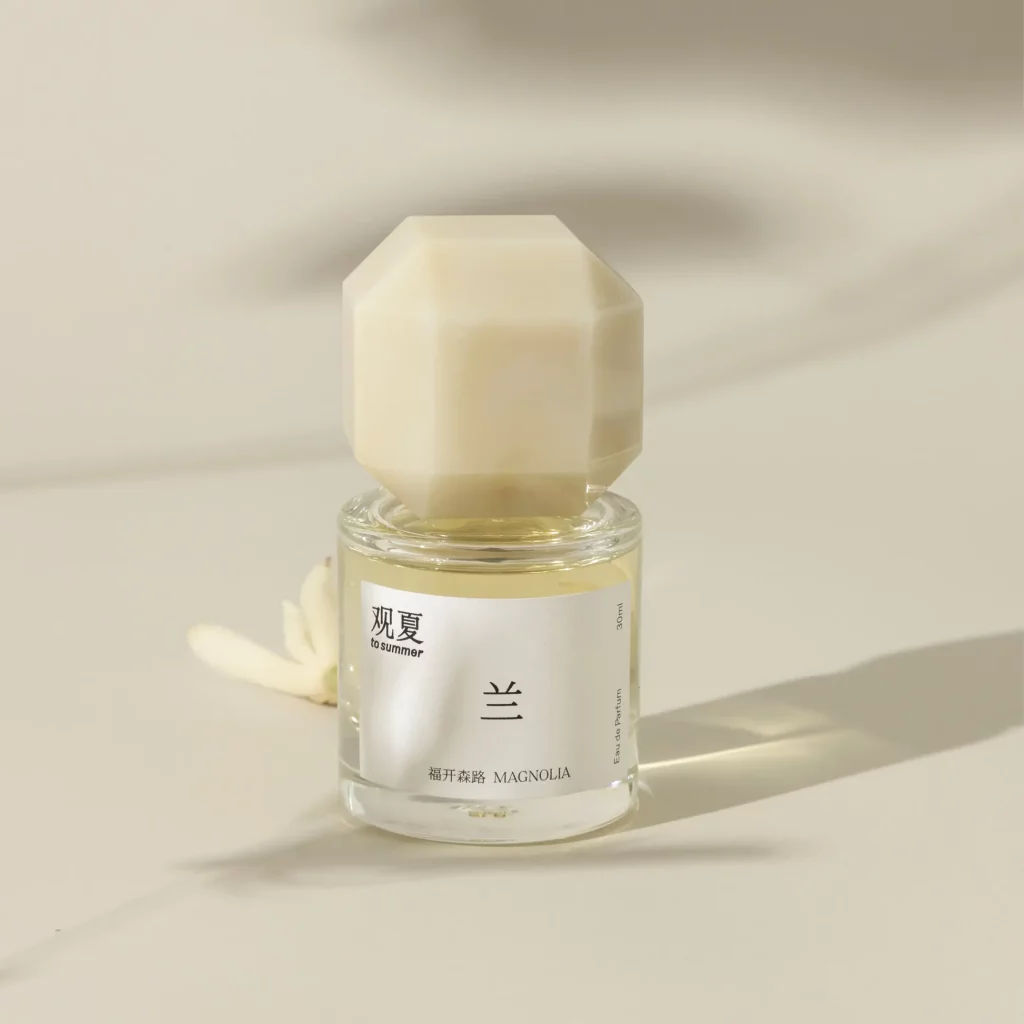
Brands like To Summer illustrate this new breed of C-Beauty. Their flagship stories – whether tucked inside a restored courtyard in Beijing or a heritage mansion of Shanghai’s Hunan Road – feel more like miniature cultural museums than conventional shops. Guests aren’t just shopping for fragrance; they are invited to explore architecture, literature, and narrative-driven experiences, when scent becomes a portal into Chinese heritage and contemporary creativity.
In this context, products become extensions of identity, not the sole focus of consumption.
The Rise of the Ingredient-Era Consumer
If experience defines the exterior of modern C-Beauty, science defines its core.
“Chinese beauty brands have fundamentally shifted from marketing-driven growth to science-backed innovation,” Dudarenok explains. “But this isn’t just about market size – it reflects a qualitative transformation in how brands compete.”
At the heart of this shift is the rise of the 成分党 – ingredient-focused consumers. Nearly 59% of Chinese beauty shoppers now prioritise product ingredients above all else, says Dudarenok. “This shift from brand halo purchasing to efficacy-driven decisions has forced brands to abandon the old playbook of celebrity endorsements and mass marketing,” she adds.
This has made brands rethink everything from formulation to educaiton. Mao Geping, for instance, has built its growth not on influencer hype, but on usage literacy.
“Despite being a single brand, Mao Geping achieved 31% year-on-year growth in the first half of 2025 by solving a fundamental consumer pain point: ‘I have cosmetics, but I don’t know how to use them'” Dudarenok notes. Leveraging its beauty academy network and team of trained consultants, the brand has turned cosmetics retail into a learning-driven experience, with nearly half of its revenue – 49% – coming from offline stores, a striking contrast to competitors who rely almost exclusively on online sales.
Where Tradition Meets Biotechnology
Perhaps C-Beauty’s most distinctive advantage lies in its ability to integrate Traditional Chinese Medicine (TCM) with advanced biotechnology – not as a marketing flourish, but as a core innovation strategy.
“We are seeing an increasing focus on what could be described as ‘Thermal Wellness’ or ‘Nature-Tech,’ says Harca. “Chinese consumers are demanding products that combine effective, natural ingredients with scientifically validated formulations and rituals.”
Rather than positioning heritage and technology as opposing forces, Chinese brands increasingly present them as complementary.
This approach is redefining whole segments of the beauty industry. The so-called “scientisation of Eastern Ingredients” is giving rise to a new wave of efficacy-driven skincare. Take Yuze Skin Barrier Repair Technology, developed collaboratively by Shanghai Jahwa and Huashan Hospital’s Dermatology Department: the formula has secured patents across the EU and Southeast Asia, and its clinical results are now cited in international dermatology seminar case libraries, signalling C-Beauty’s growing credibility on the global science stage.
Similarly, Bloomage Biotech, which operates the world’s largest hyaluronic acid fermentation base, uses synthetic biology to reduce the cost of key ingredients such as tanshinone and resveratrol by up to 70%, disrupting global raw material pricing structures.
“Chinese brands are masterfully integrating TCM knowledge with modern bioengineering creating what I call the ‘China Ingredient’ innovation paradigm,” Dudarenok says. “This isn’t just adding a traditional herm to a modern formula, but a deep integration of ancient wisdom with advanced biotechnology.”
Brands like Winona have taken this further, securing endorsements from doctors, publishing in over 100 academic journals, and partnering with 3,000+ hospitality dermatology departments – positioning themselves directly against pharmaceutical skincare leaders such as La Roche-Posay and Bioderma.
Colour, Culture and the New Aesthetic Code
While skincare is grounded in science, C-Beauty’s colour cosmetics are redefining aesthetics.
“The cultural symbolisation of colour cosmetics is leading a shift in aesthetic paradigms,” says Harca. Distinct from Korea’s dewy “glass skin,” Chinese brands have introduced textures such as velvet matte and ceramic glaze, alongside heritage-inspired colour systems like Forbidden City Red and Celestial Blue.
No brand illustrates this better than Florasis. Its intricately carved lipstick have become viral artefacts, triggering a global wave of tutorials and reaction content.
Florasis’ strategy exemplifies what Dudarenok describes as premium heritage-technology fusion – blending floral research, skincare science, and Eastern aesthetics. Its international presence now spans 100+ countries, with standalone retail in 46 markets, supported by partnerships with cultural institutions including the British Museum.
Platforms as Product Labs
While R&D defines formulation, social commerce defines speed.
“Douyin and Xiaohongshu have become the central engine of C-Beauty’s product development and brand storytelling,” Dudarenok explains. “They’ve created a closed-loop ecosystem where content, community, and commerce are seamlessly integrated.”
Xiaohongshu functions as both discovery engine and validation tool – often the first stop for consumers researching beauty, fashion, travel or lifestyle purchases. Douyin, meanwhile, dominates scale, with livestreaming sales for many beauty brands now rivalling or surpassing Tmall.
This ecosystem has compressed traditional 12-18 month product development cycles into mere months, allowing brands to iterate in real time based on consumer feedback.
Global Expansion: From Scepticism to Curiosity
Internationally, challenges remain – particularly in Western markets, where “Made in China” perceptions still lag reality.
“In Western markets, the challenge remains perception,” Harca says. “C-Beauty adoption is currently driven largely by early adopters – those who are curious, open-minded, and motivated by strong value propositions rather than brand origin.”
To bridge this gap, many brands are letting creators lead the narrative.
“Rather than leading with their identity as Chinese brands, they are focusing on product performance, texture, results, and routine,” Harca adds. “This allows creators to act as the primary storytellers.”
The strategy echoes K-Beauty’s early international rise – but with a crucial difference. C-Beauty is entering global markets not as a trend exporter, but as a systems innovator.
Southeast Asia remains the most receptive region. Chinese skincare brands recorded 115% CAGR between 2019 and 2024, driven by affordability, digital fluency, and cultural proximity, according to Dudarenok.
“Barriers to entry are generally lower in Southeast Asia, as the region is geographically and culturally closer to China, and consumers already have a higher level of familiarity and comfort with purchasing Chinese brands,” says Harca.
Yet success requires deep localisation: halal certification in Indonesia, multifunctional sunscreens in Thailand, natural formulations in Vietnam, and fast-growing haircare demand in the Philippines.
Chinese brands encounter both structural and perceptual hurdles when venturing overseas. Regulatory compliance is a major challenge: meeting EU standards for product safety, ingredient disclosure, and testing often necessitates full reformation. “Western consumers still harbour scepticism about Chinese product quality, viewing C-Beauty as affordable copies rather than innovative leaders,” says Dudarenok.
According to Dudarenok, successful international expansion tends to follow a consistent playbook: brands start with an e-commerce-first strategy – leveraging platforms like Amazon or their own DTC websites – to test new markets, then build credibility through partnerships with trusted local retailers, minimise upfront investment while gathering key market insights, and finally pursue gradual physical retail expansion once the e-commerce presence is established.
From Trend Responder to Standard Setter
The global C-Beauty market was valued at US$18.7 billion in 2025 and is projected to reach US$49.2 billion by 2035, growing at 10.2% CAGR – outpacing K-Beauty both in size and growth rate.
“Unlike the trend-following model once dominated by K-Beauty, C-Beauty is leveraging foundational technological breakthroughs and cultural symbol elevation,” Harca observes. “It has the potential to transition from a ‘trend responder’ to a ‘standard-setter.'”
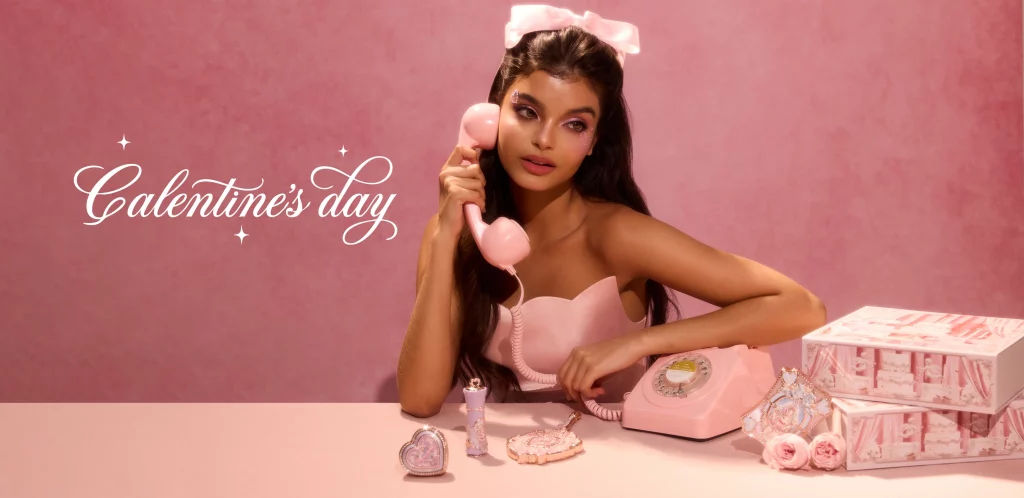
As Flower Knows’ Ulta debut and L’Oréal’s investments suggest, the global beauty industry is no longer asking whether C-Beauty will matter – but how quickly it will reshape the rules.
And for brands that can balance science, culture, and experience, the opportunity extends far beyond cosmetics – into wellness, lifestyle, and the future language of beauty itself.
BurdaLuxury’s Lens
C-Beauty’s rise is more than a story of products and profits – it reflects a strategic blend of cultural storytelling, scientific innovation, and operation ingenuity. From immersive flagship experiences and heritage-inspired palettes to patented skincare technologies and digitally native supply chains, Chinese brands are reshaping the rules of global beauty. Yet international expansion demands careful navigation of regulatory frameworks, consumer perceptions, and market-specific dynamics. For brands that balance creativity with rigour, storytelling with science, the opportunity is clear: C-Beauty is no longer a regional phenomenon – it is a global force redefining what beauty can be.