


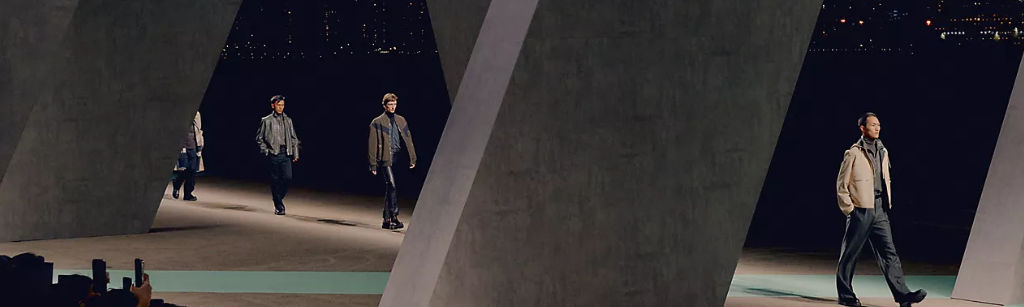
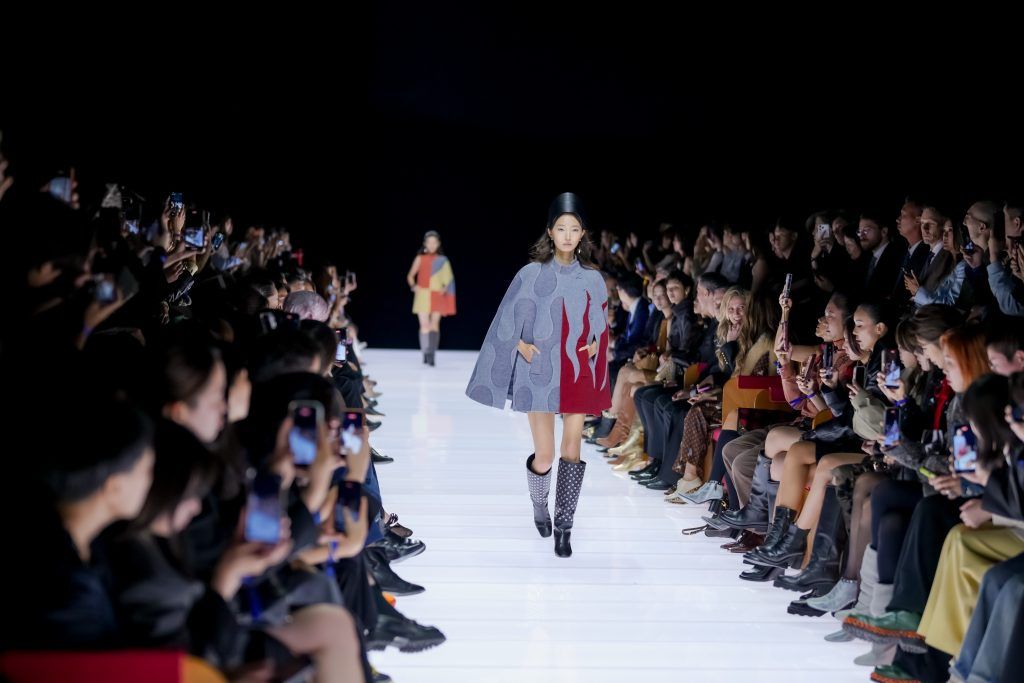
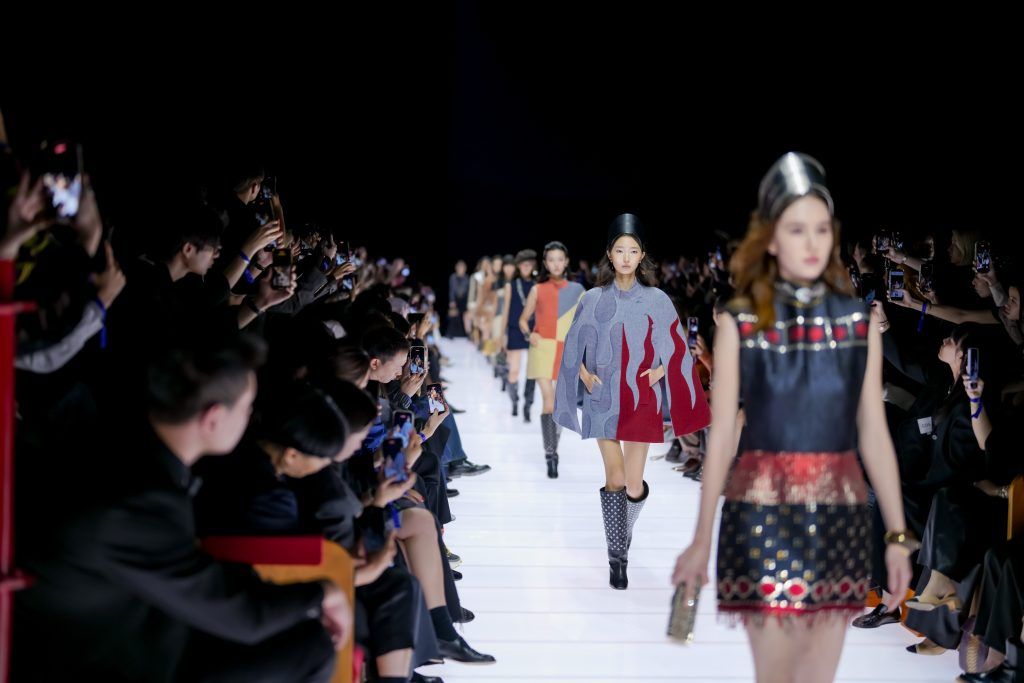
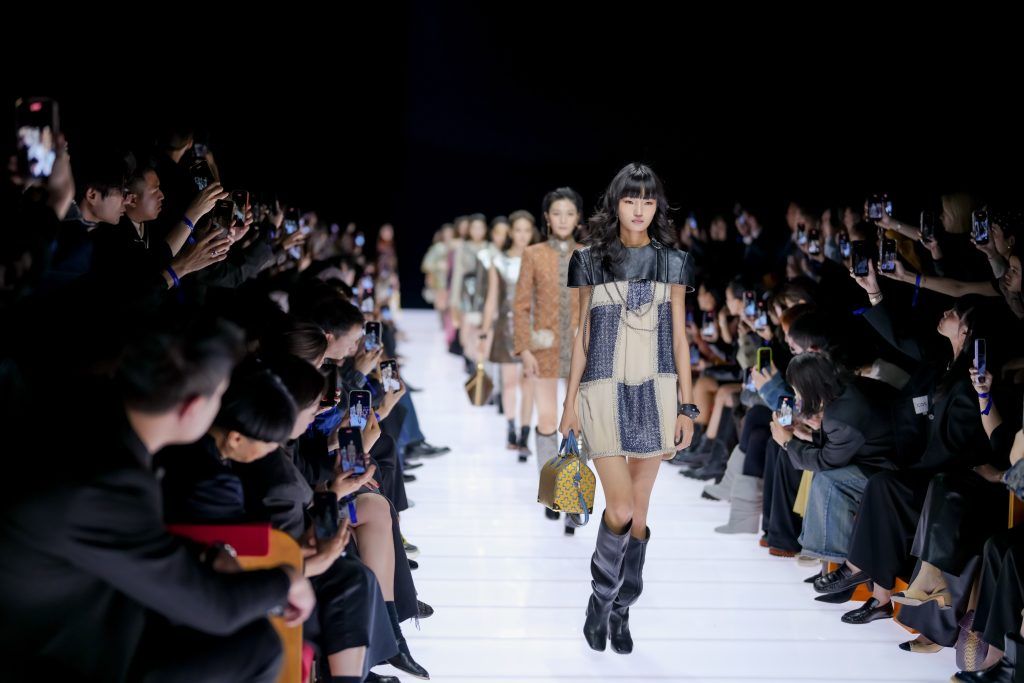
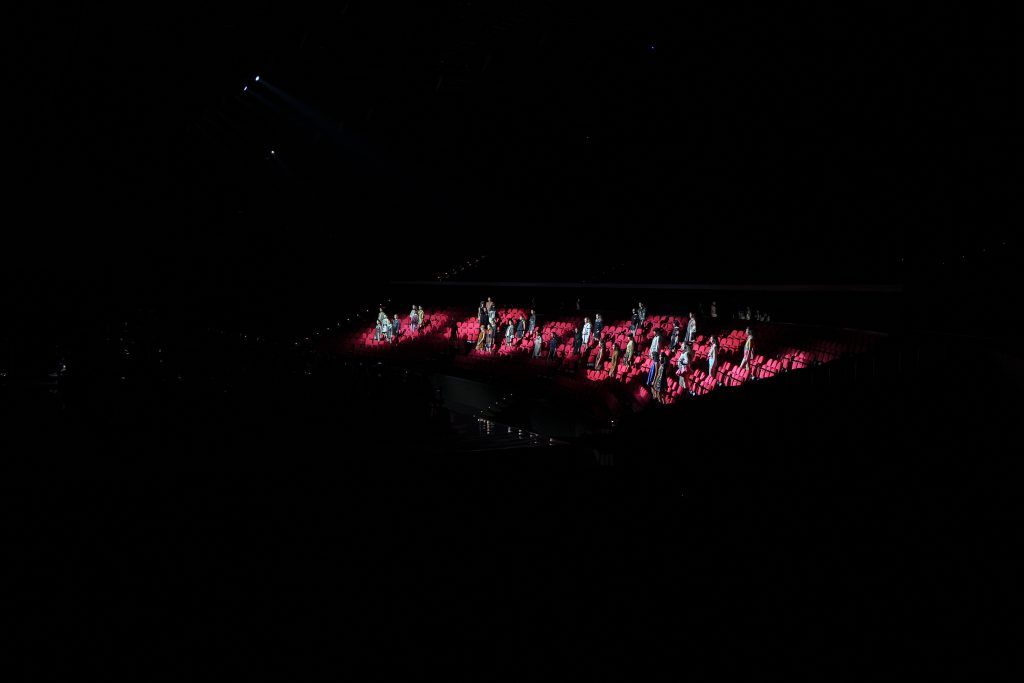
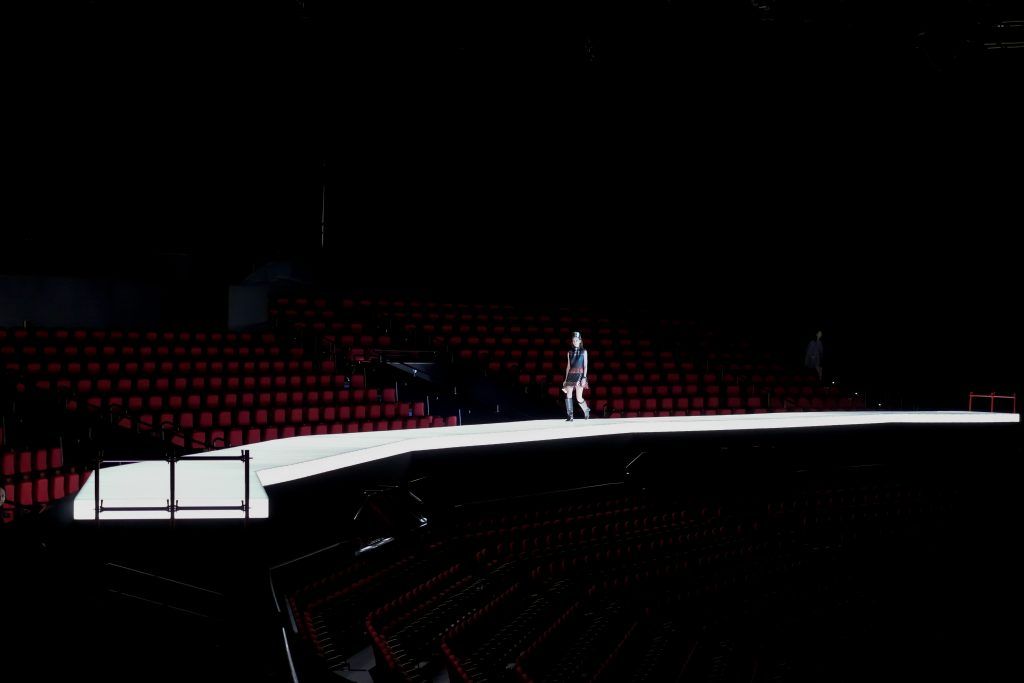
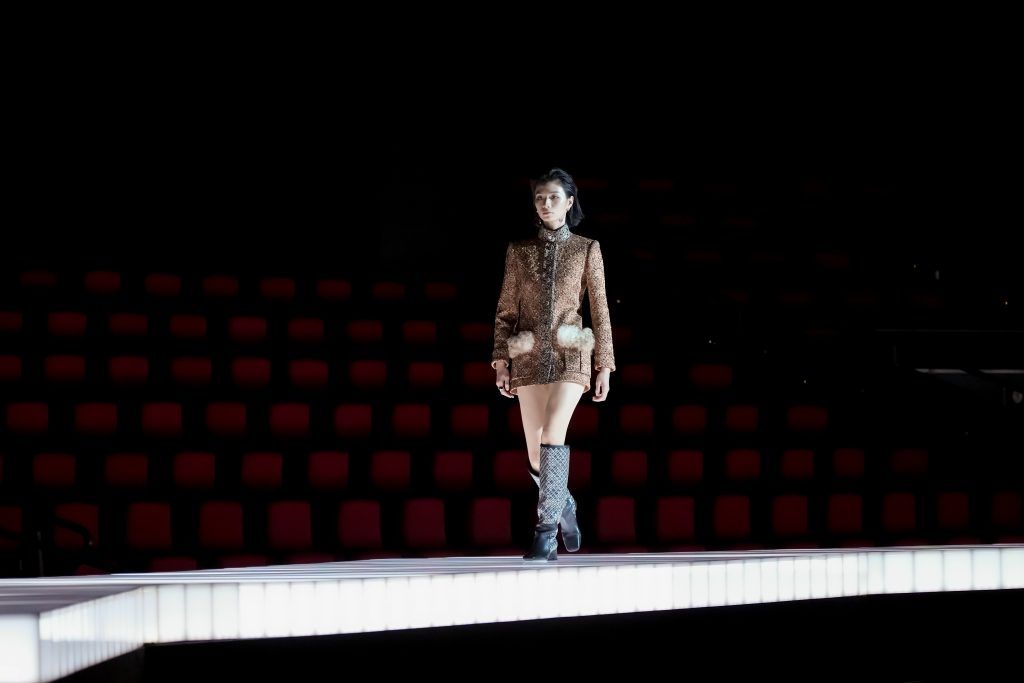
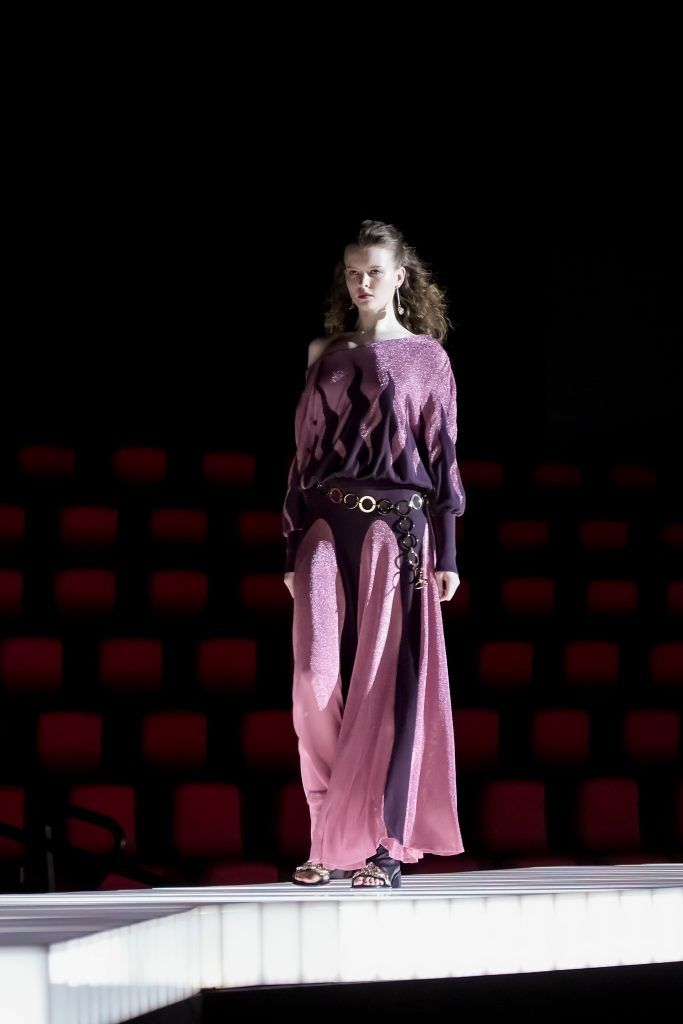
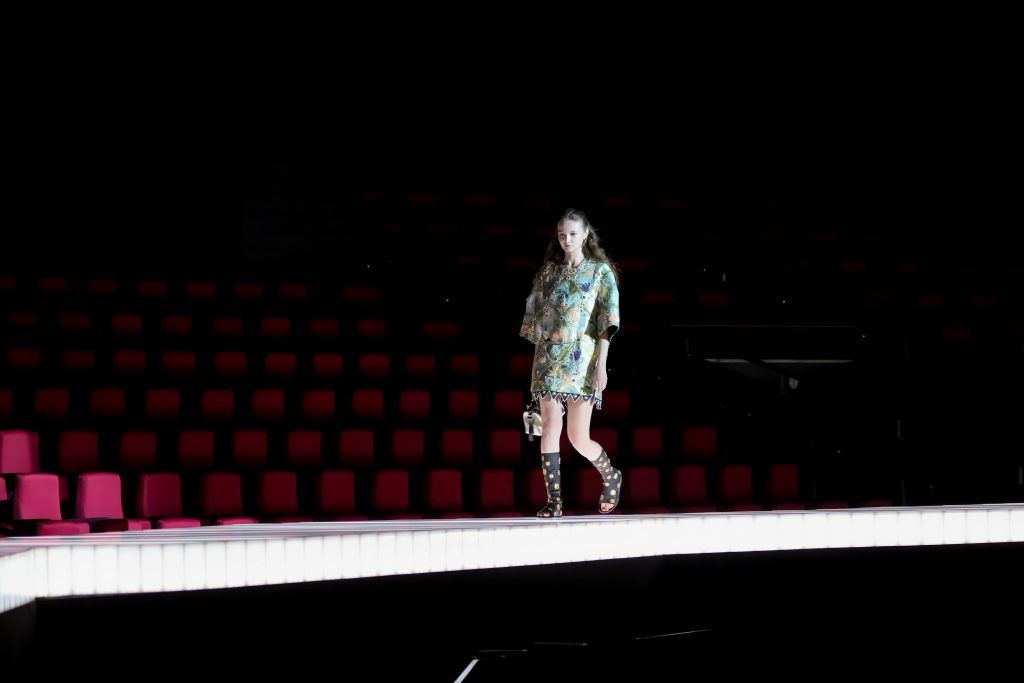
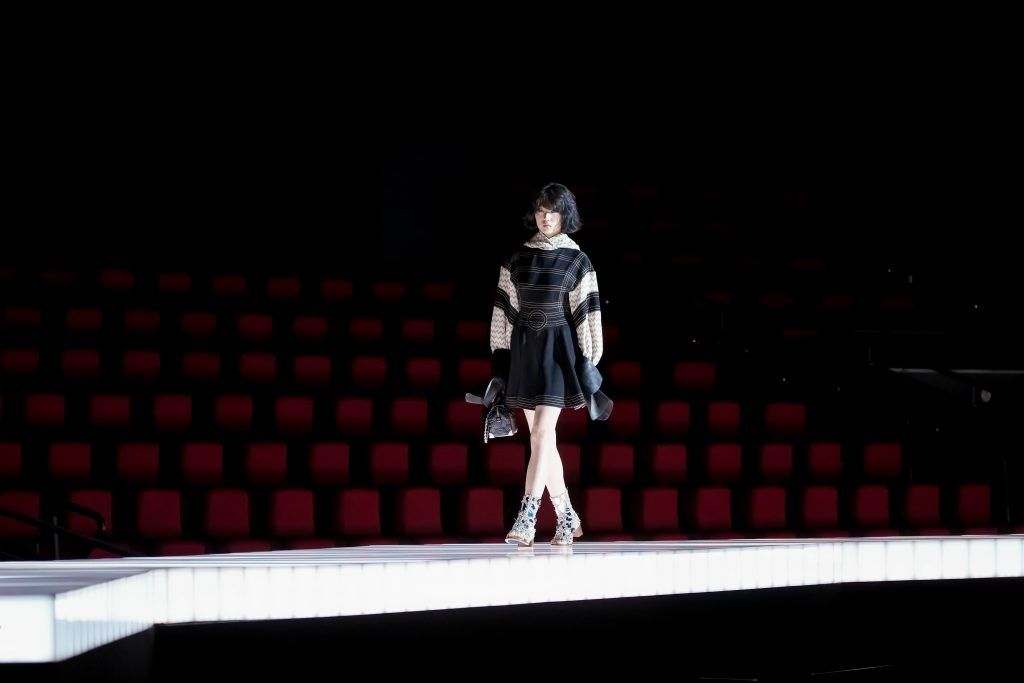
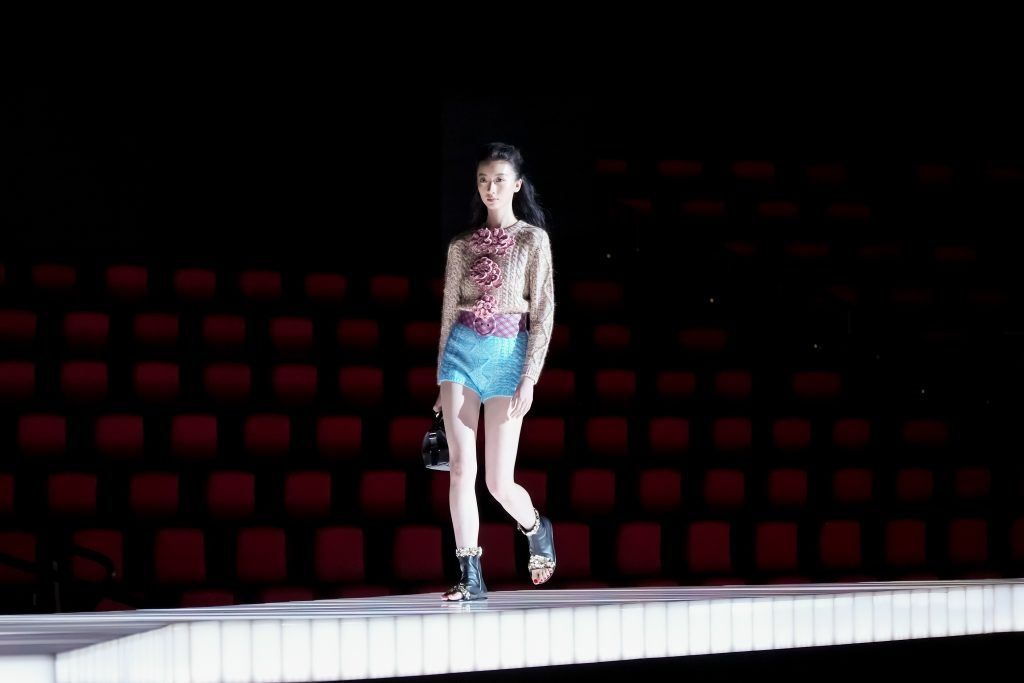
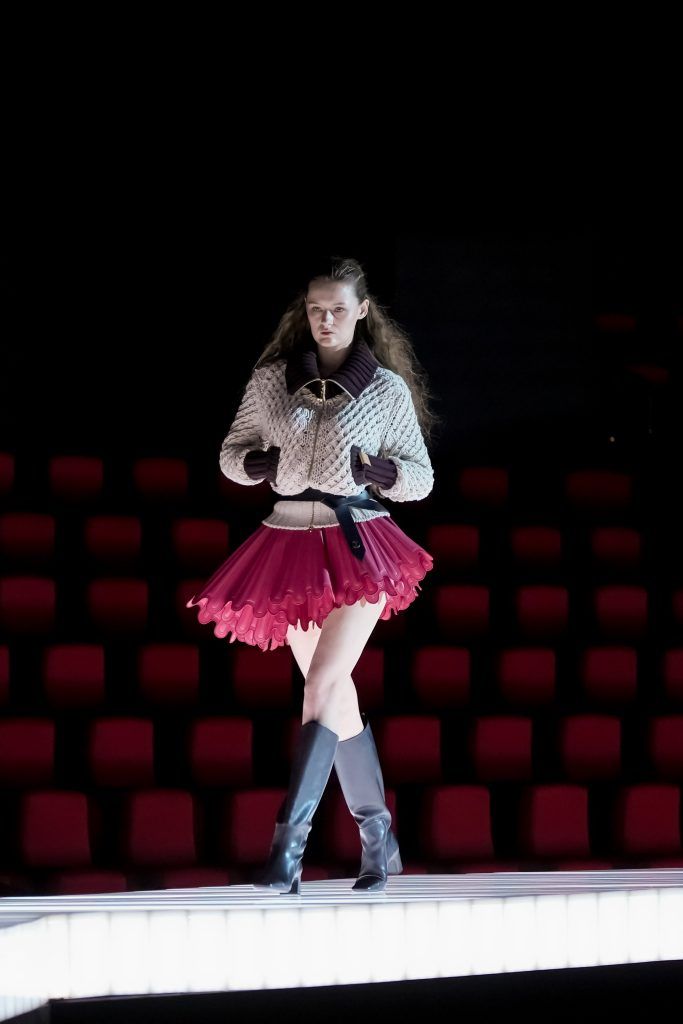
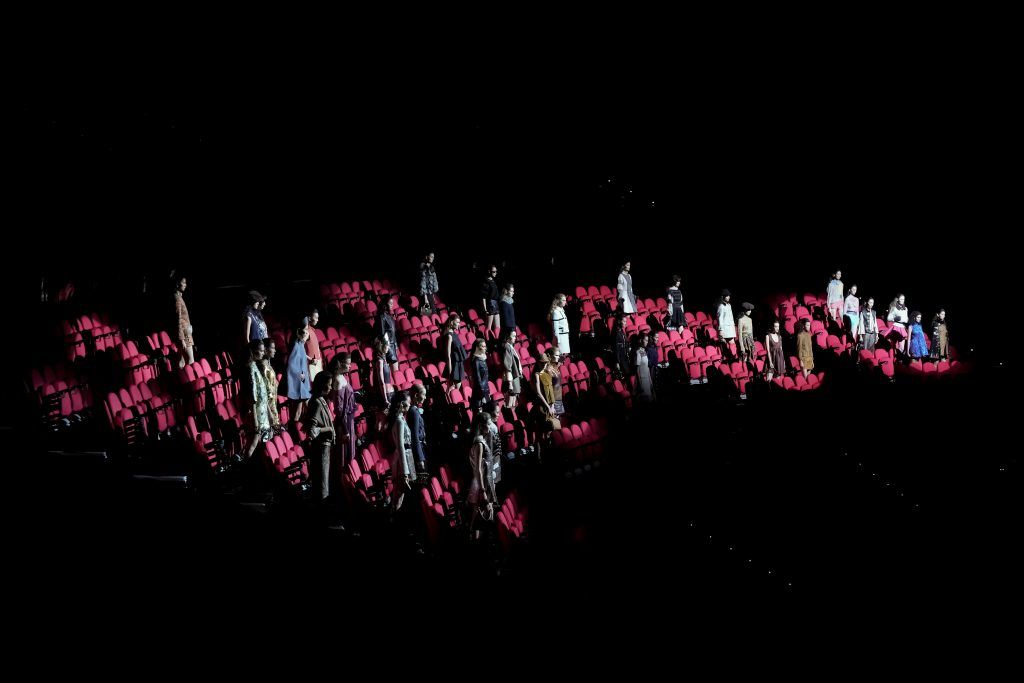
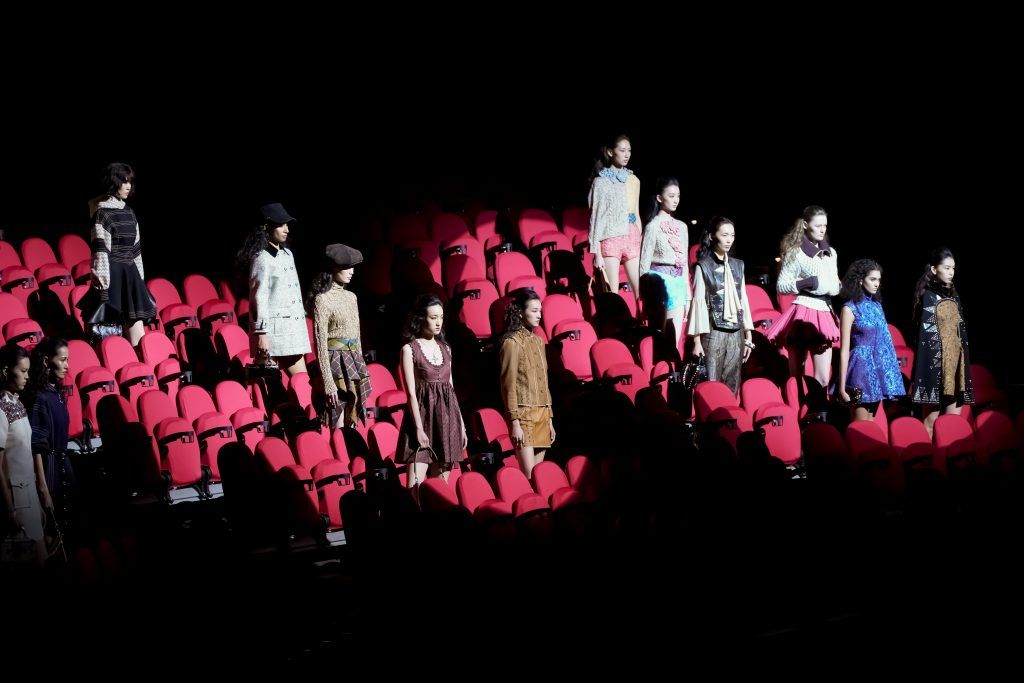
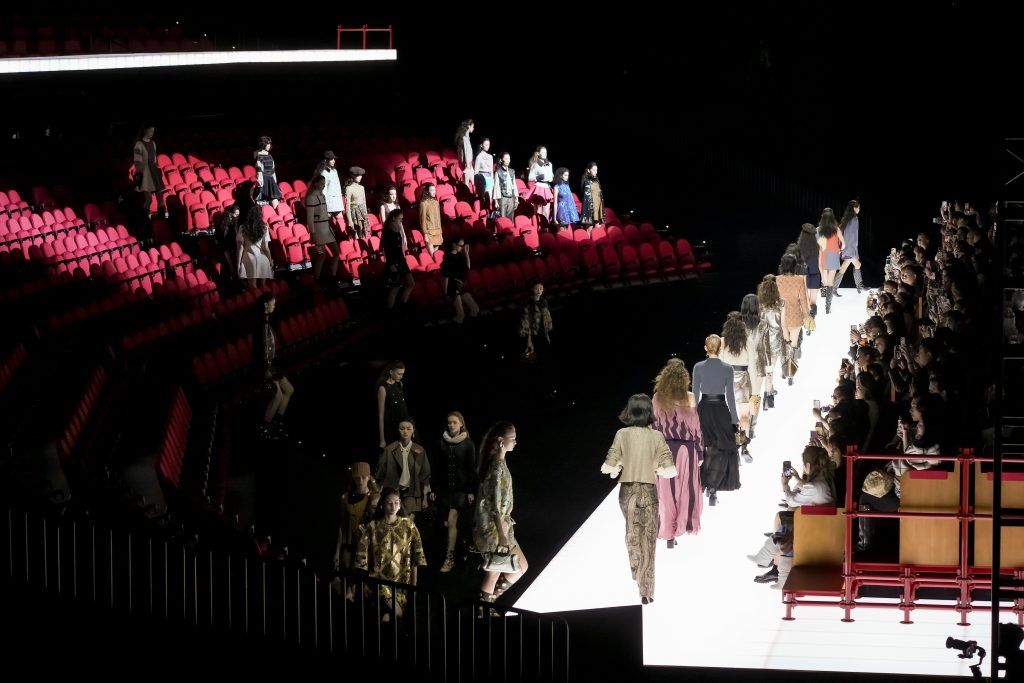
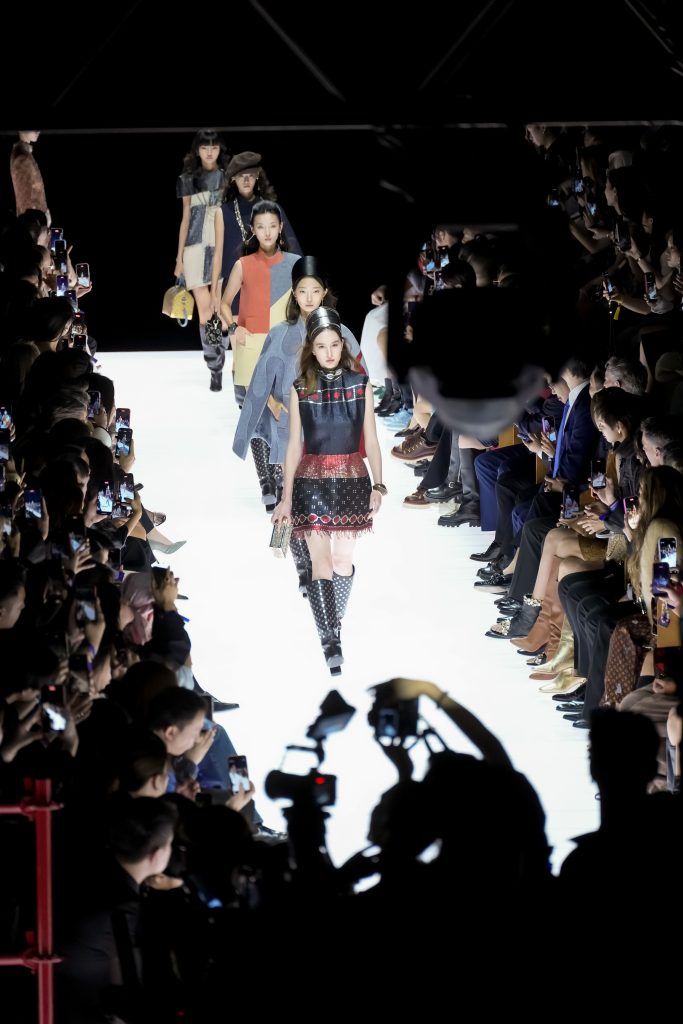
On November 13, 2025, The Londoner Arena in Macau transformed into the epicentre of haute couture as Louis Vuitton unveiled its Cruise 2026 collection. Nicolas Ghesquière’s designs, first showcased in the Cour d’Honneur of the Palais des Papes in Avignon, were meticulously recreated, offering Asian audiences a taste of Parisian grandeur without leaving the continent. Among the elite guests were Victoria Song, Carina Lau, Louise Wong, and Yuxiao Lu – an assemblage of cultural icons whose presence underscored Asia’s rising influence in the luxury landscape.
What made this show significant wasn’t just the collection itself; it was the symbolic weight it carried. Ghesquière’s vision for Cruise 2026 emphasises “the performative aspect of clothing, its inherent artistic value, its narrative force, and the emotional power it unleashes.” In Macau, this performance became a cultural laboratory, a dialogue between Western heritage and Asian aspiration. Louis Vuitton’s presence signals a broader trend: Asia is no longer a passive consumer of luxury. It is increasingly a stage upon which global brands perform, adapt, and experiment.
The backdrop was just as telling. Earlier in 2025, Louis Vuitton reopened its Macau flagship at Four Seasons, designed by Japanese architect Shohei Shigematsu. His suspended sculptural staircase connecting the Men’s and Women’s universes is not merely functional; it is theatrical, guiding visitors through a curated journey. Such investments reveal a subtle but unmistakable strategy: fashion in Asia is becoming as much about immersive experience and storytelling as about the garments themselves.


Hermès has similarly embraced Hong Kong, holding its winter 2025 runway show in the city’s Kai Tak Cruise Terminal. Chanel’s show at Raffles Singapore transformed the iconic colonial hotel into an intimate theatre of luxury, where couture interacted with the city’s heritage and tropical light. Moncler’s “City of Genius” event during Shanghai Fashion Week in late 2024 demonstrated the power of participatory spectacle, blending fashion with music, performance, and immersive design, and drawing millions of online viewers. Gucci staged an immersive Shanghai exhibition in 2025, combining immersive installations with collaborations, while Prada’s Singapore client showcase brought bespoke tailoring into a cinematic, narrative-driven setting. Fendi collaborated with K-pop stars in Seoul, seamlessly merging local pop culture with Italian luxury. Together, these shows illustrate a broader shift: Asia is not only ready for international brands but is increasingly shaping how global luxury is experienced and consumed.
Shifting the Global Luxury Balance
The choice of Macau, Hong Kong, or Singapore is no longer merely logistical; it is strategic, symbolic, and cultural. Dr. Daniel Langer, a luxury strategy expert and CEO of Équité, tells BurdaLuxury, “Asia became the number one region for luxury in 2024, surpassing Europe and the Americas according to Bain. That shift changes the gravitational pull of the industry. Singapore, Macau, Seoul, and Shanghai concentrate extraordinary wealth and attract affluent travellers from the Middle East, China, and Southeast Asia. The region also has the youngest luxury clients globally, and their enthusiasm, digital sophistication, and cultural influence turn brand events into powerful cultural moments.”
Dr. Langer observes that the tension between European heritage and Asian momentum is accelerating. “Paris and Milan combine heritage, craftsmanship, and centuries of cultural capital. Asian cities have remarkable infrastructure, artistic talent, and accelerating creativity. What is still emerging is a deep lineage of couture houses, artisan networks, and multigenerational design culture. These ecosystems are developing quickly. They need time to mature and form an enduring fashion canon.”
He continues, adding that Asian luxury clients are among the most sophisticated in the world. “Their expectations for personalisation, storytelling, and flawless service raise the global benchmark for luxury,” he says. “They are hyper-informed and evaluate brand relevance constantly. Their influence is reshaping global strategies by pushing brands toward stronger cultural resonance, emotional impact, and impeccable execution. Asia is not only a growth engine. It is becoming a major source of creative and strategic influence.”
Luxury is increasingly about more than aesthetic; it’s about status, experience, and cultural resonance. Asian cities offer brands a chance to engage with hyper-informed consumers whose digital sophistication means every runway moment is instantly amplified across platforms like WeChat, Xiaohongshu, and Instagram.
Local Consumers as Creative Catalysts
Ashley Dudarenok, the founder of ChoZan and Alarice, tells BurdaLuxury how there’s been a fundamental power shift in perception when the shows are staged locally in Asia. “It’s no longer about the West granting validation; it’s about global brands acknowledging Asia’s cultural and economic gravity,” she explains. “When a major house like Louis Vuitton or Chanel stages a show in Macau or Singapore, it’s seen as a sign of deep respect and commitment. For local consumers, it transforms the brand from a remote European ideal into a tangible, accessible part of their world.”
Her insight is confirmed by recent events. “By bringing a replica of its Avignon show to Macau, LV created an unprecedented local moment that went far beyond just showcasing a collection. It was a strategic move that helped cement Macau’s emerging status as a premier luxury and cultural destination, generating massive local media value and reinforcing the brand’s connection with its Greater China VIPs.”
Moncler’s “City of Genius” event in Shanghai last year – which had 8,000 attendees and a staggering 57 million online viewers – further illustrates the shift. “By collaborating with global and local artists and designers, Moncler didn’t just present products; they created an immersive universe that celebrated co-creation. Success in China isn’t just about the runway; it’s about creating a spectacular, shareable experience that resonates with the audience’s desire for participation and creativity.”
On the future of Asian fashion capitals, Dudarenok reflects how cities in Asia are already rivalling with Europe’s Paris and Milan – but they are playing a different game. “Shanghai, in particular, isn’t trying to become the next Paris; it’s building a new paradigm for what a fashion capital can be. It’s a hub for commercial and creative experimentation. Hong Kong, with events like Centrestage, is positioning itself as a crucial B2B gateway connecting East and West, praised for its efficiency and discovery of new Asian brands. Singapore has become a stable and booming hub for luxury retail and a key market for Southeast Asia, attracting high-net-worth individuals and major brand activations. Their path to rivalling Paris or Milan isn’t about replicating their history, but about owning their unique strengths in the new global fashion landscape: Shanghai’s creative and digital power, Hong Kong’s role as a strategic connector, and Singapore’s position as a sophisticated luxury hub.”
Sustainability and Heritage as Differentiators
Sustainability is emerging as Asia’s unique luxury advantage, and few understand this better than Dr. Christina Dean, founder and board chair of Redress, a Hong Kong-based environmental NGO committed to reducing textile waste and empowering emerging designers through initiatives like the Redress Design Award.
Dean tells us, “Asia has long been a powerhouse in the global fashion industry, particularly from a production standpoint. Approximately 63% of global fashion exports originate from the Asia-Pacific region. Historically, the region has had a deeply rooted textile and apparel industry, with countries like the Chinese Mainland playing a central role for decades.”
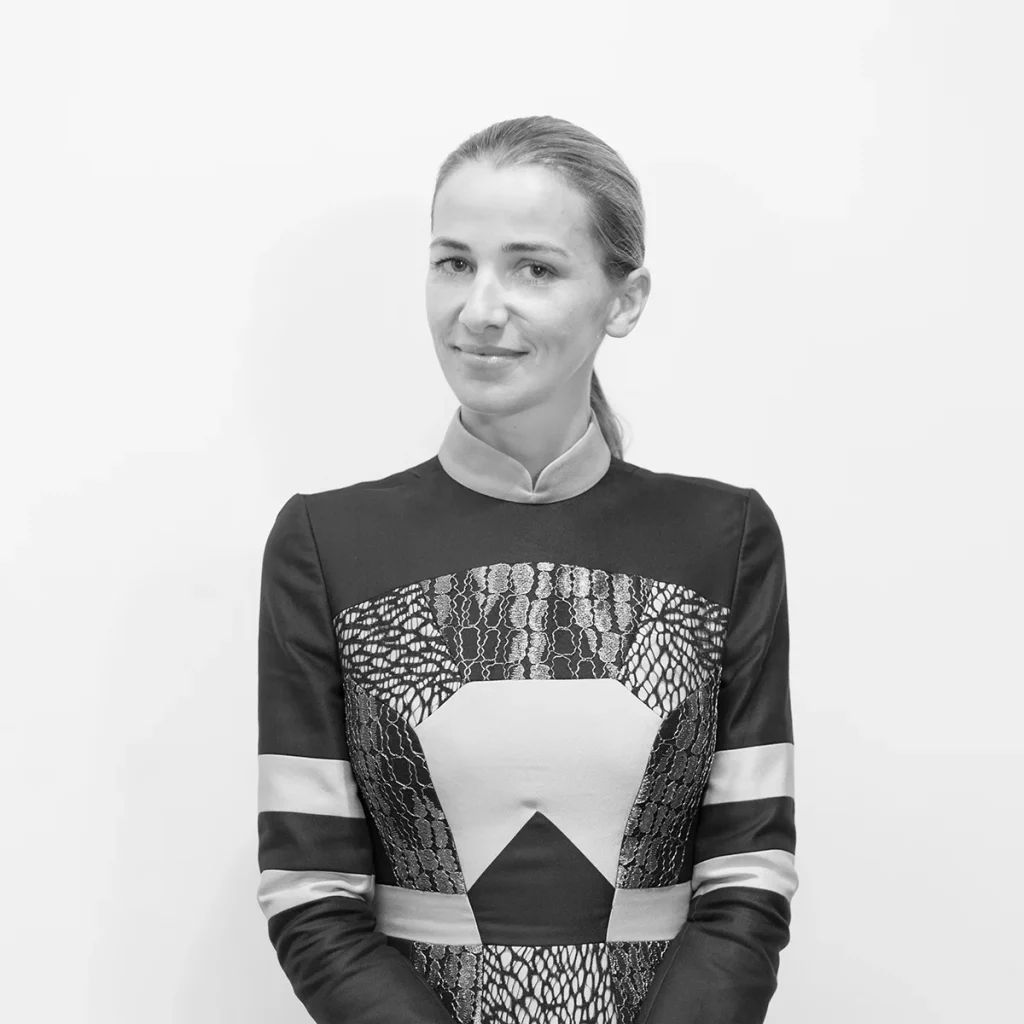
She highlights the growing influence of emerging markets: India, Indonesia, Thailand, and Vietnam are expanding both production and consumption, while designers increasingly integrate heritage crafts, local materials, and slow production practices. “Emerging Asian designers are integrating heritage crafts and sustainable practices as they often use local techniques, local materials, and all of that lends to a slower production with better quality. We’re seeing a revitalisation of regional textiles like embroidery, silk, and handwoven fabrics, and a modern expression of Chinese and Asian design elements which is super exciting for the region.”
Dean continues, “Sustainability is quite broad but actually includes environmental, social and economic impacts in fashion. Sustainability is often overused and misunderstood as a term, but I would say yes, of course, the fashion industry is key.”
She also notes Hong Kong’s unique position: “In Hong Kong, there’s a rising interest in culture, craft, and heritage for consumers. Coupled with its technological advancement, Hong Kong is well poised to meet the demands of the global fashion industry. There’s a huge culture within Hong Kong and part of the uniqueness of a fashion capital is the access to global and domestic emerging fashion brands. Challenges that Hong Kong may face are the high costs of retail spaces, which is largely dominated by global brands. We need to see more diversification in Hong Kong’s retail landscape and create more opportunities for emerging and independent brands.”
Bhutan, Bangkok, and Beyond: Asia’s Diverse Fashion Landscape
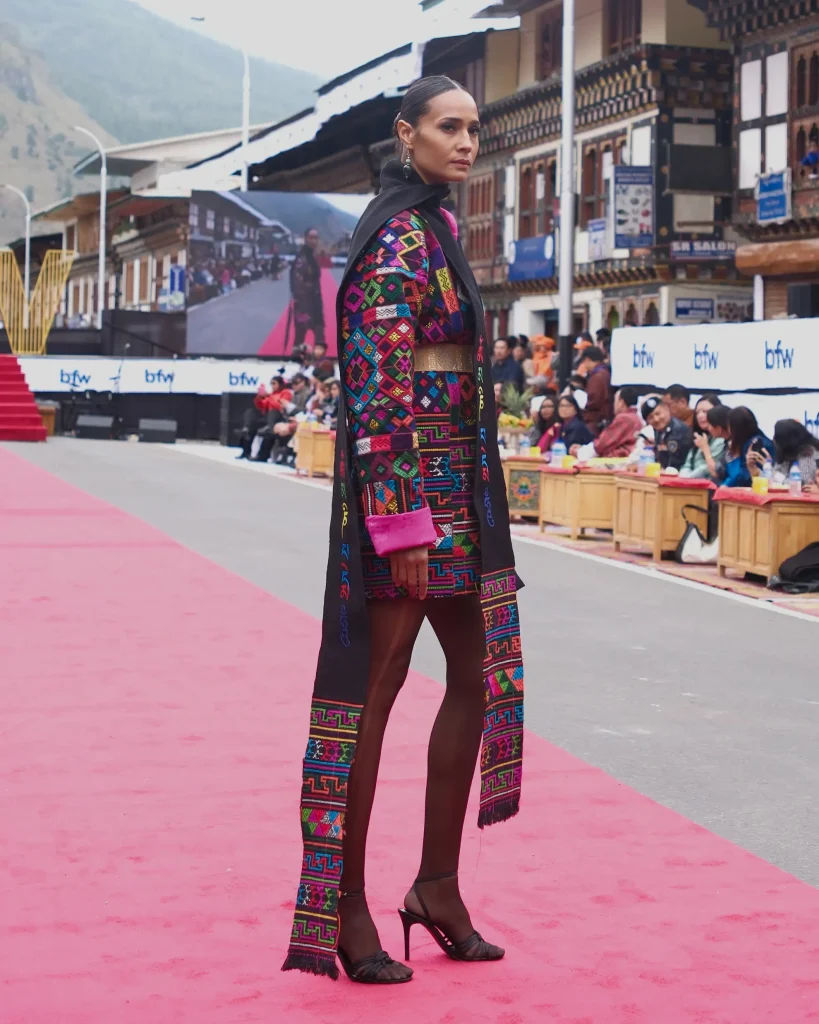
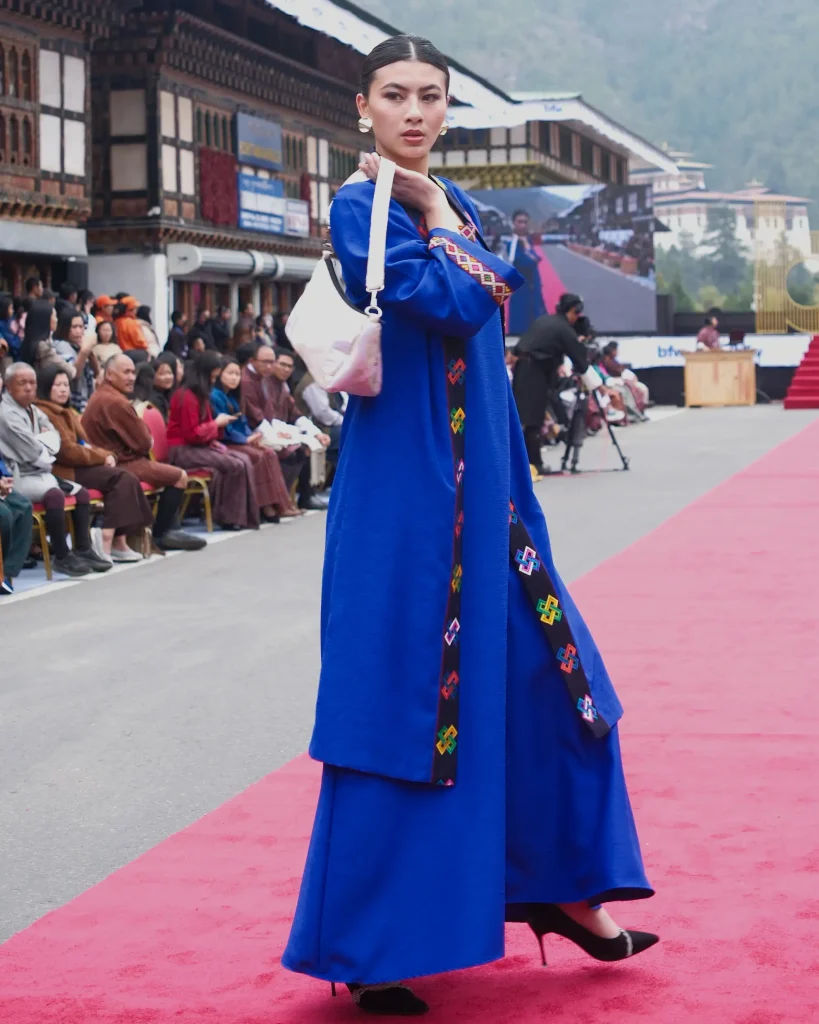

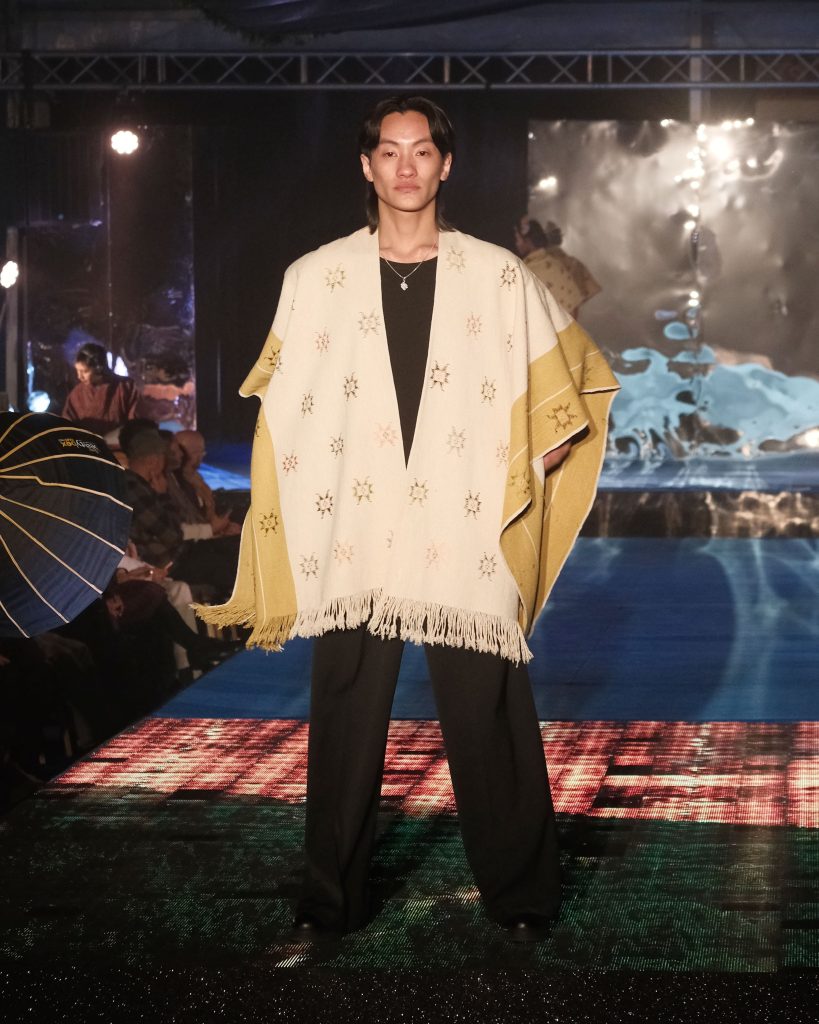
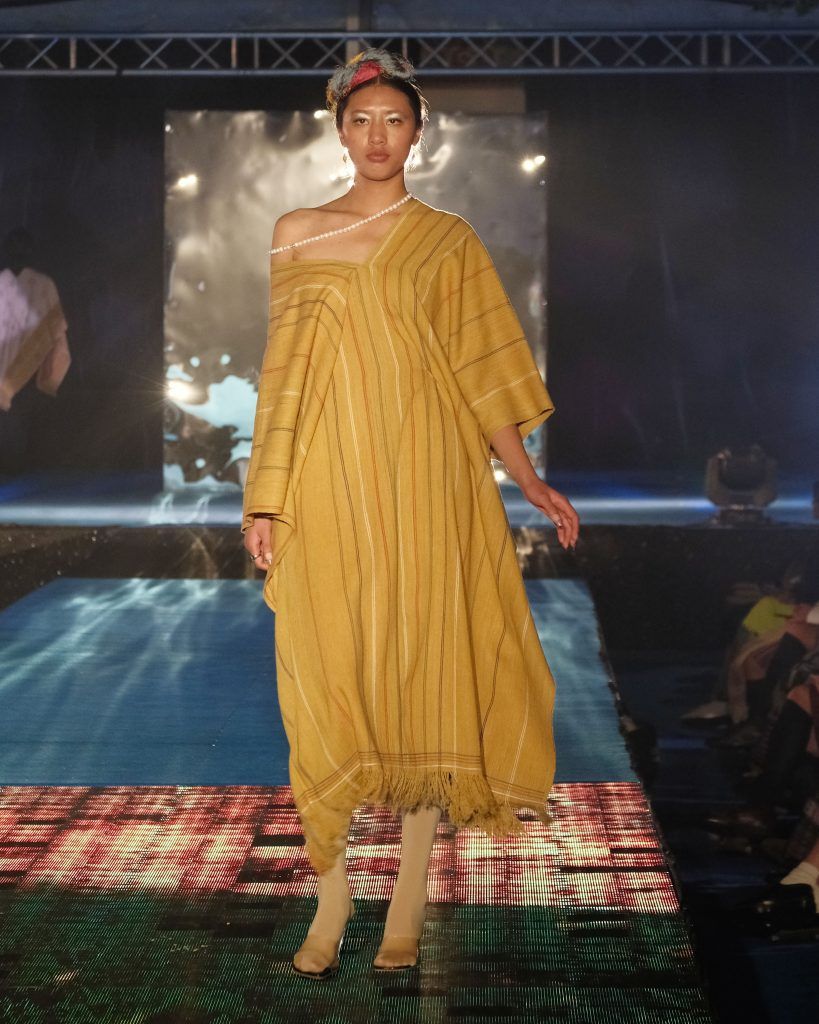
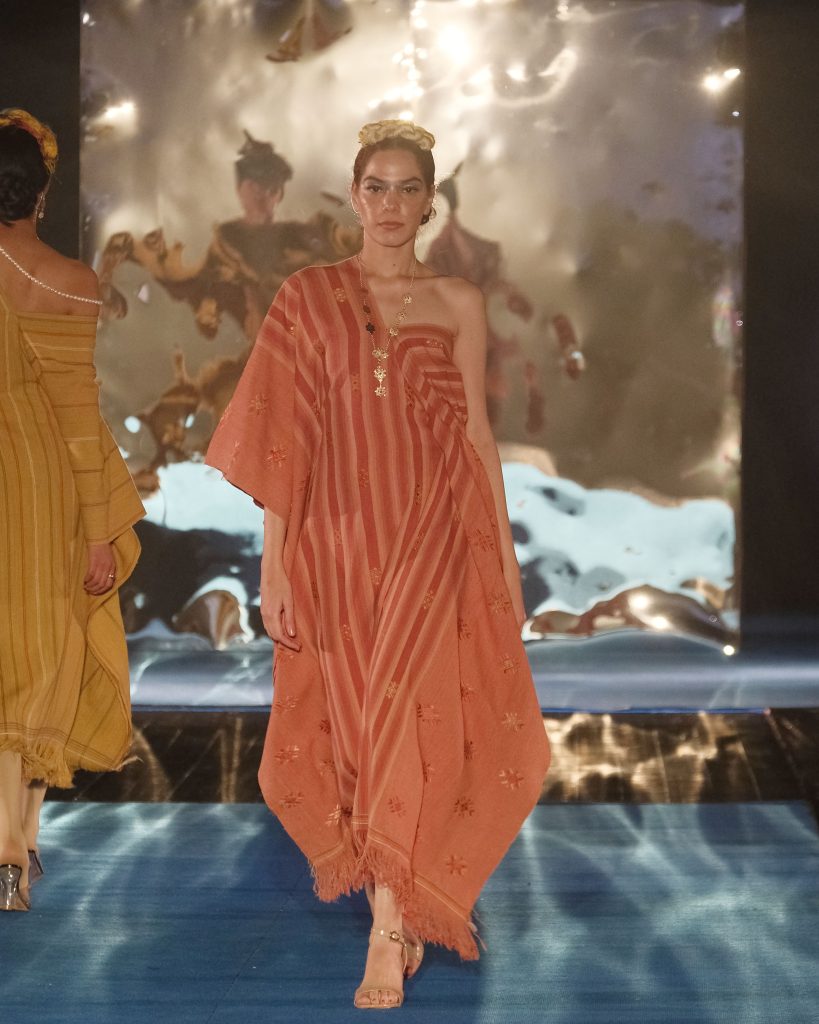
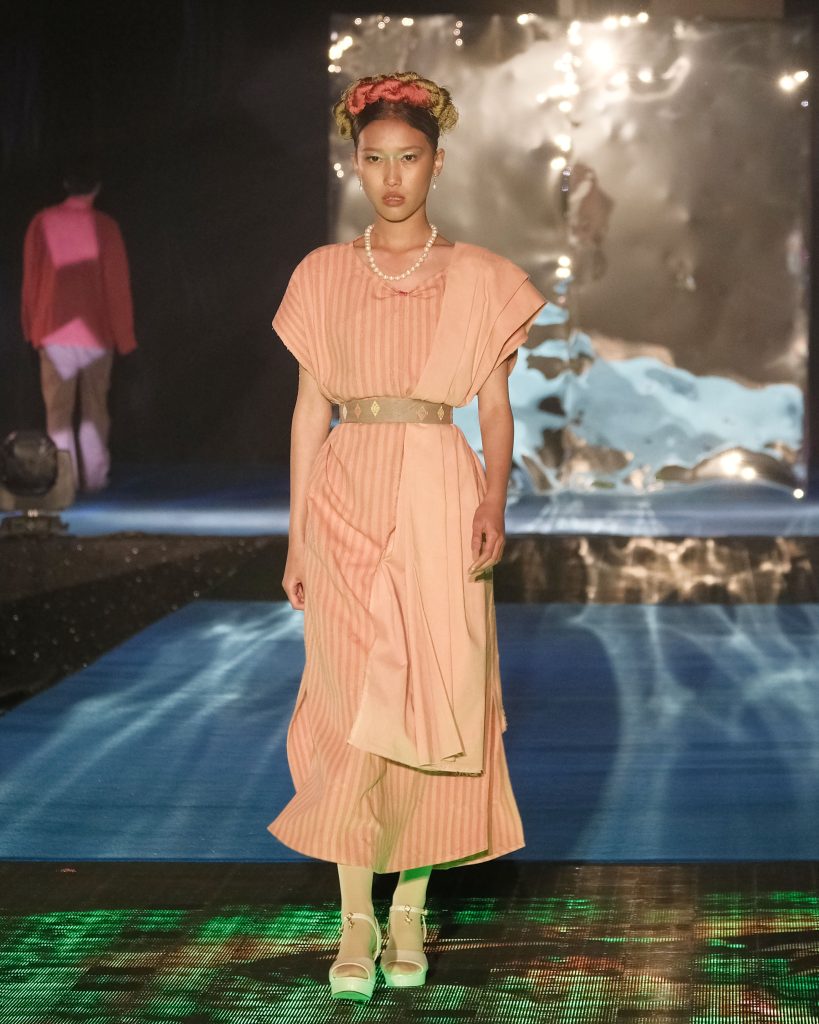
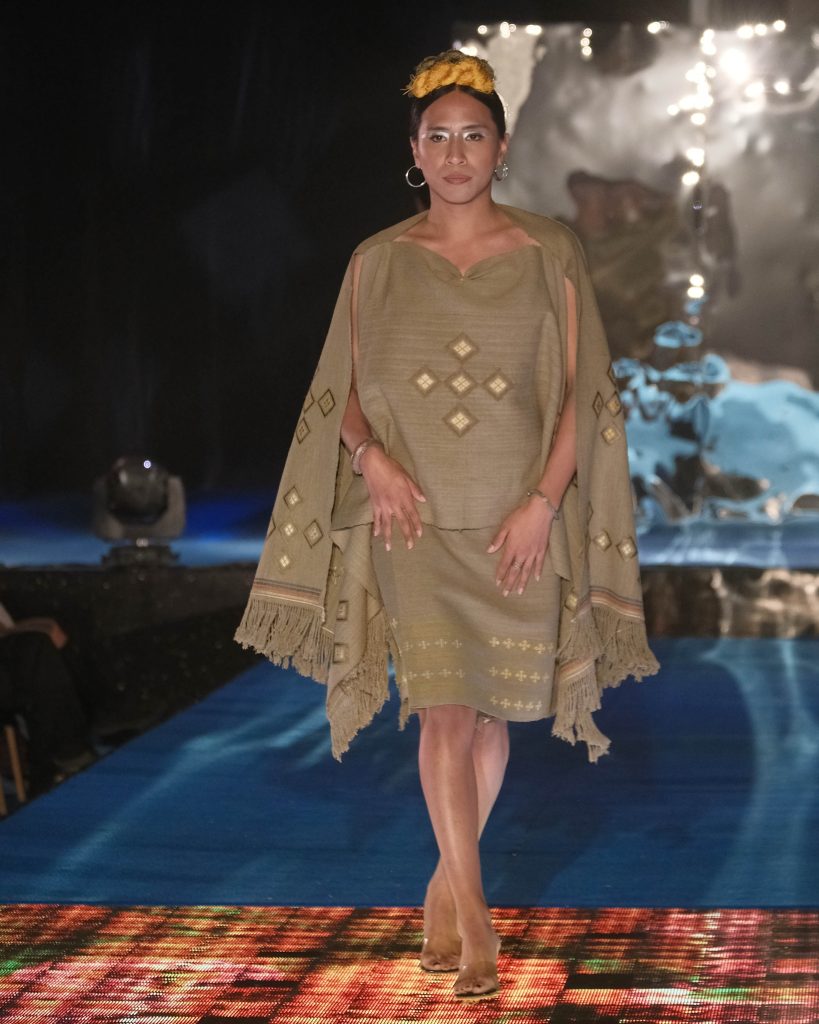
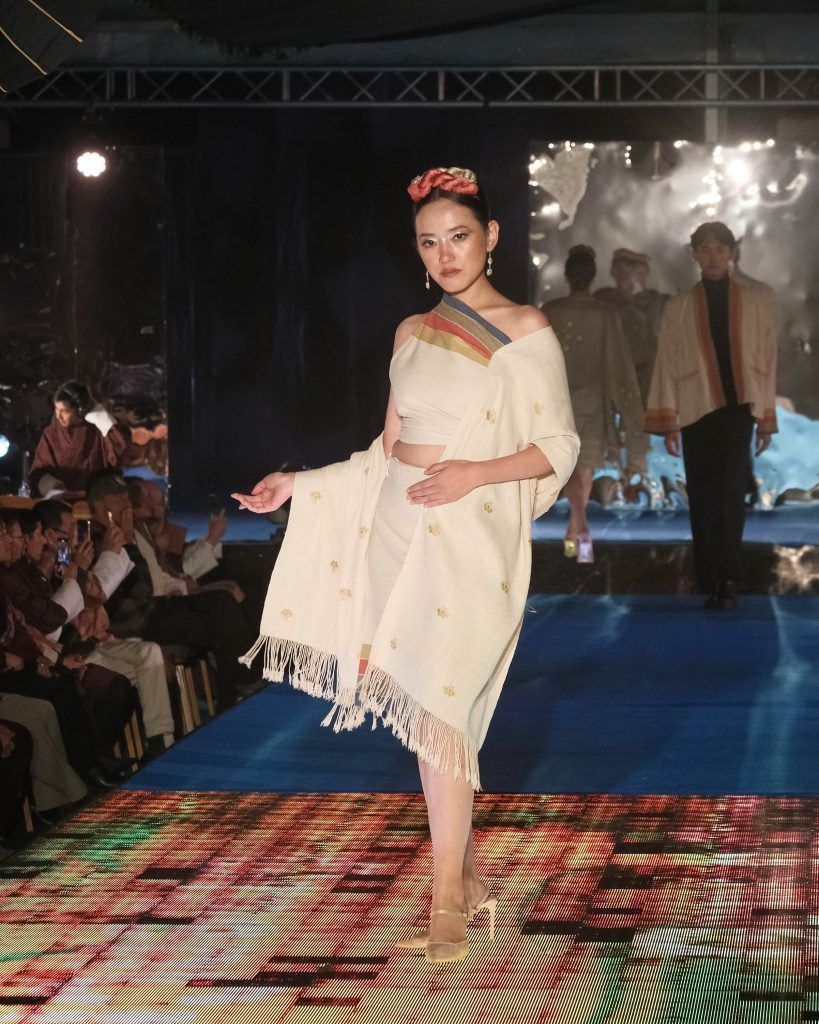
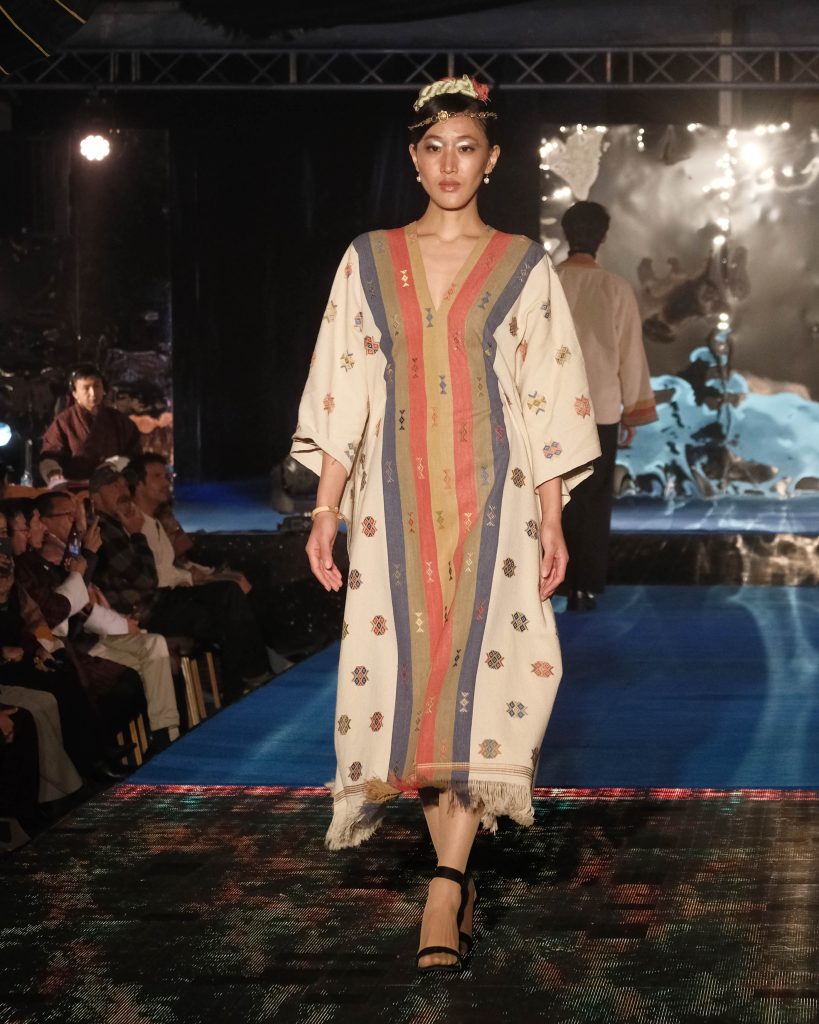
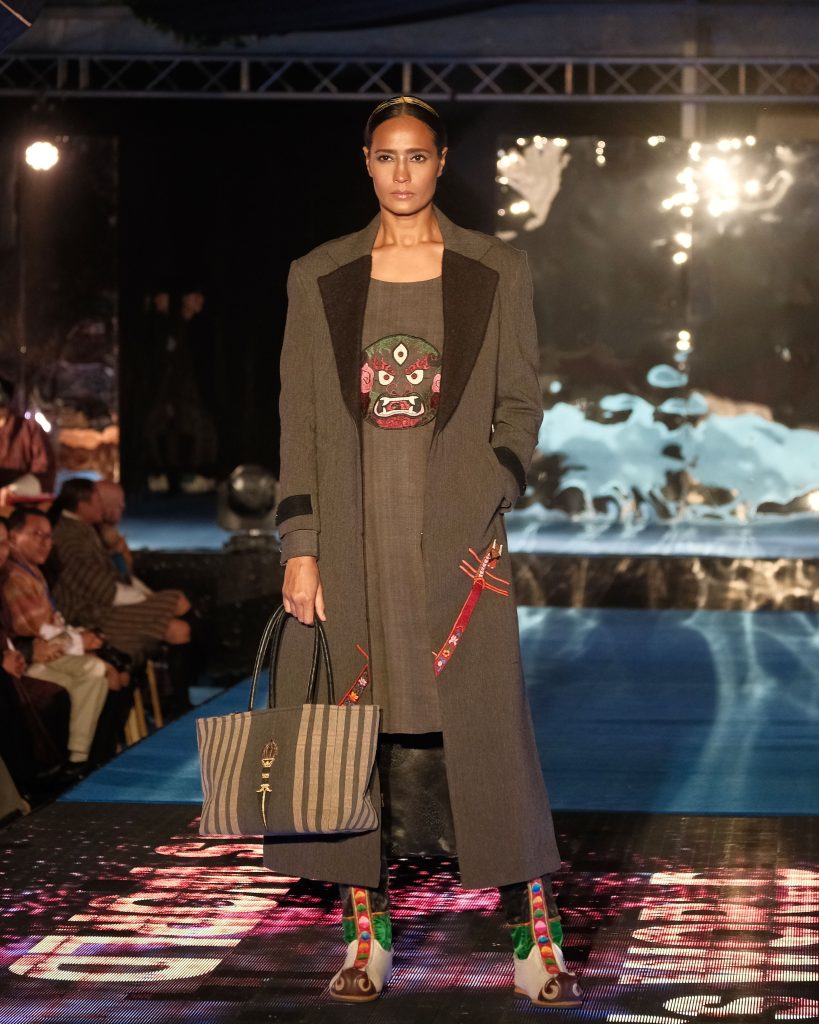
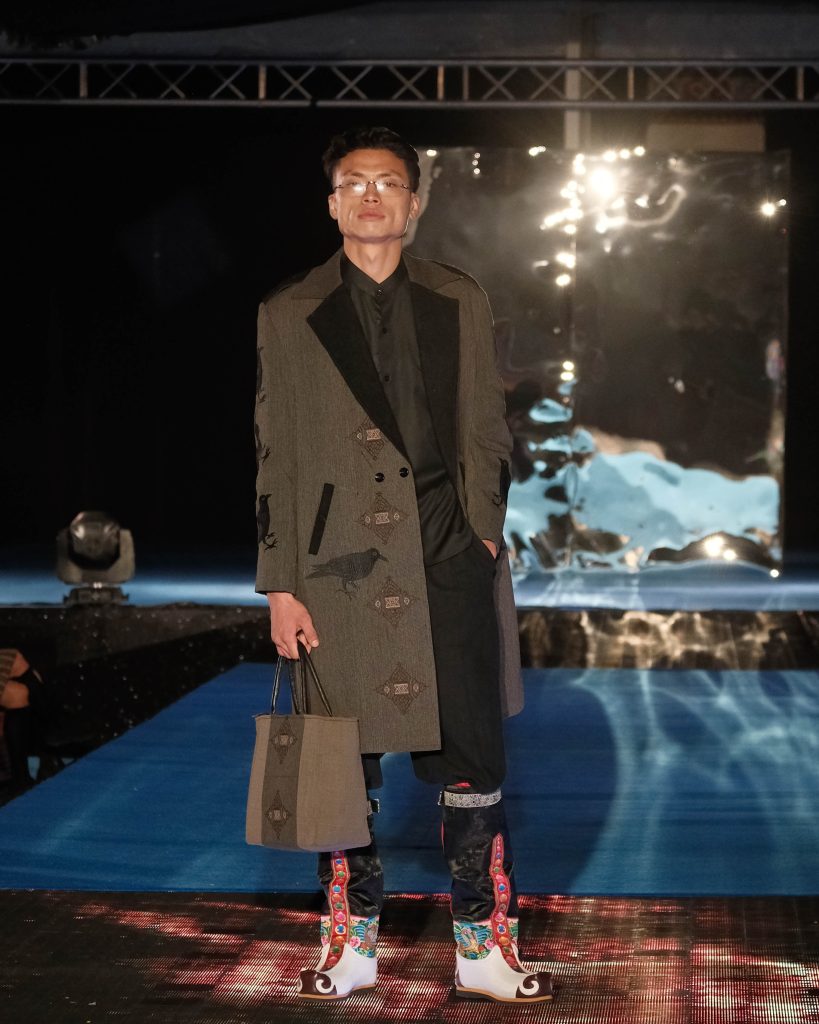

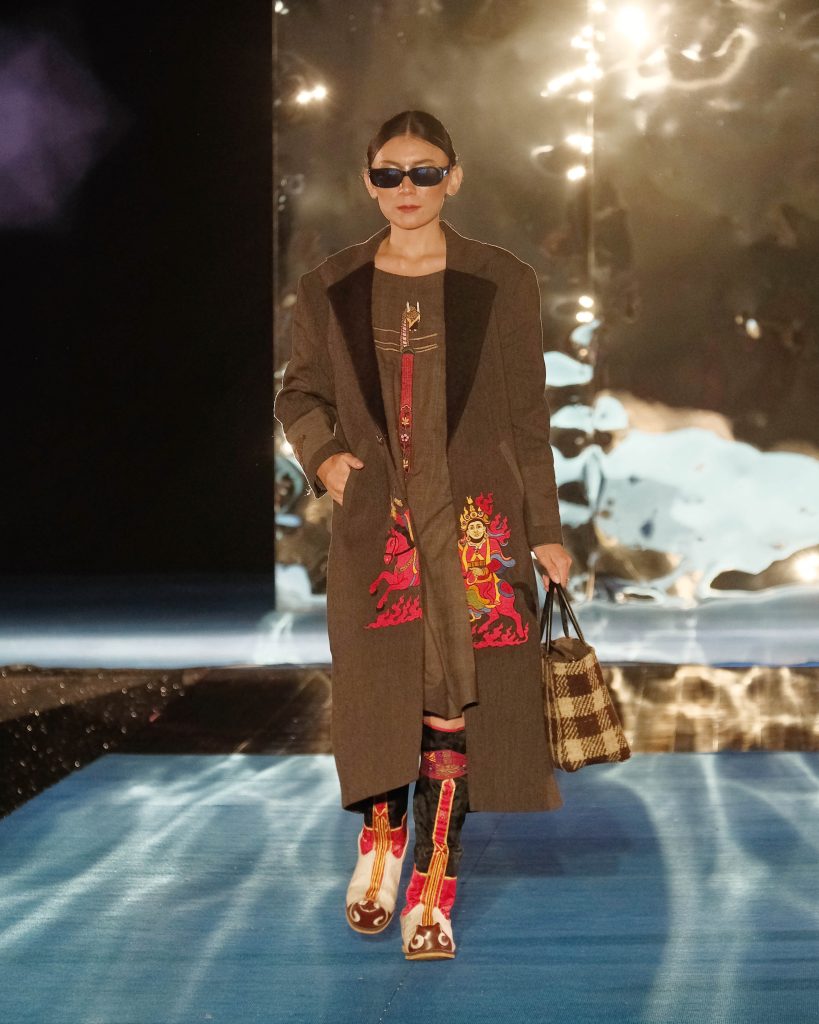
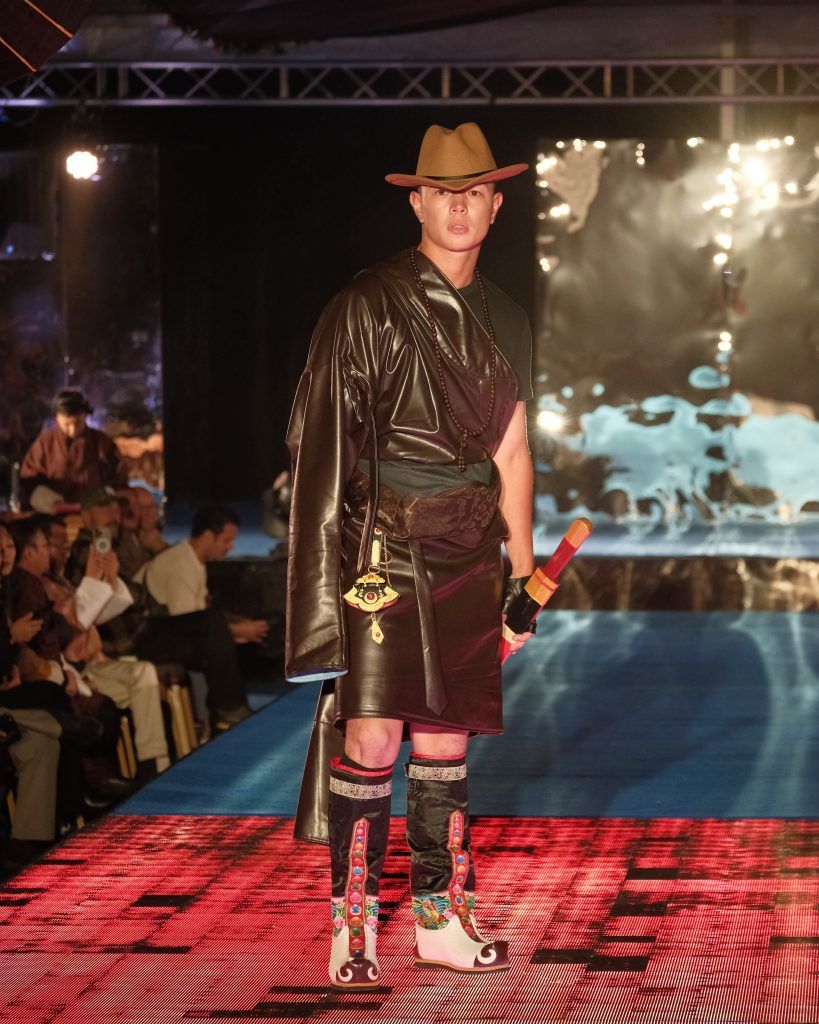
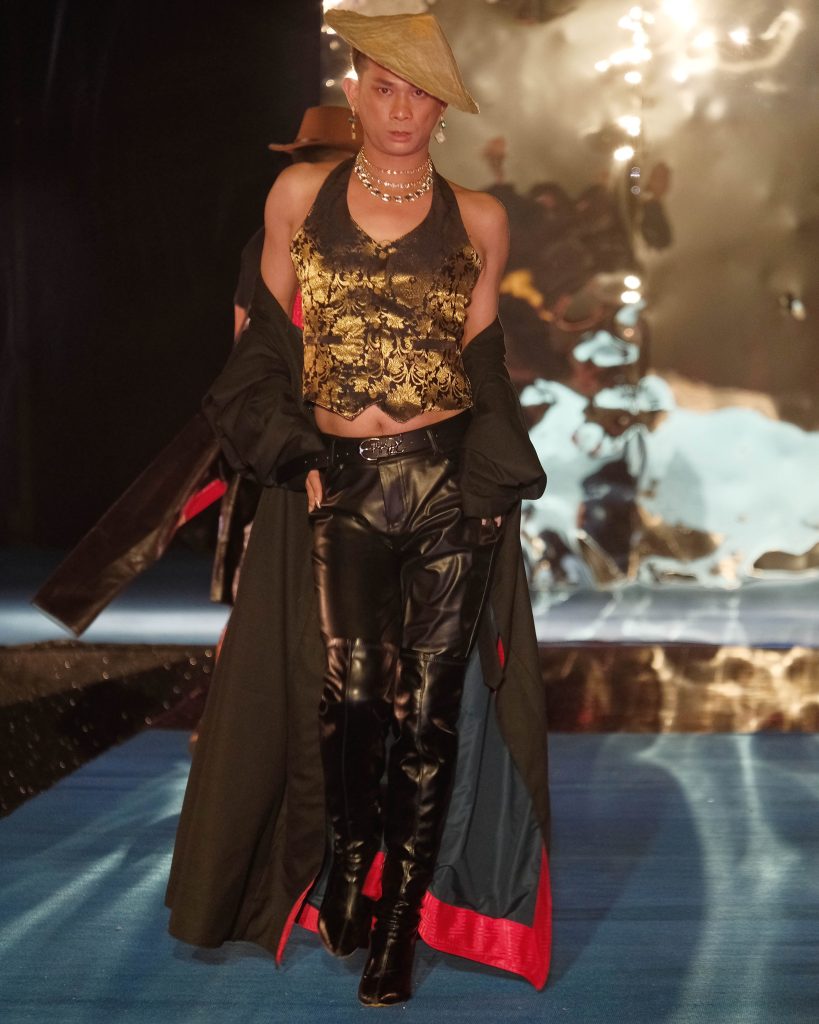
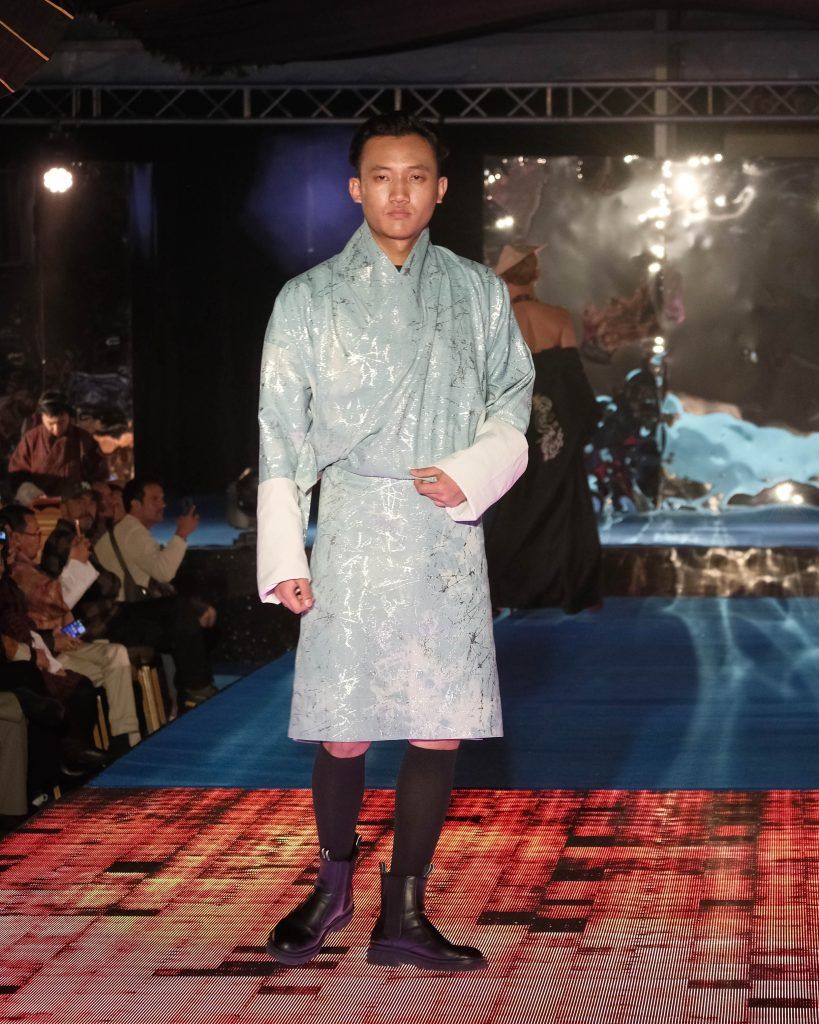
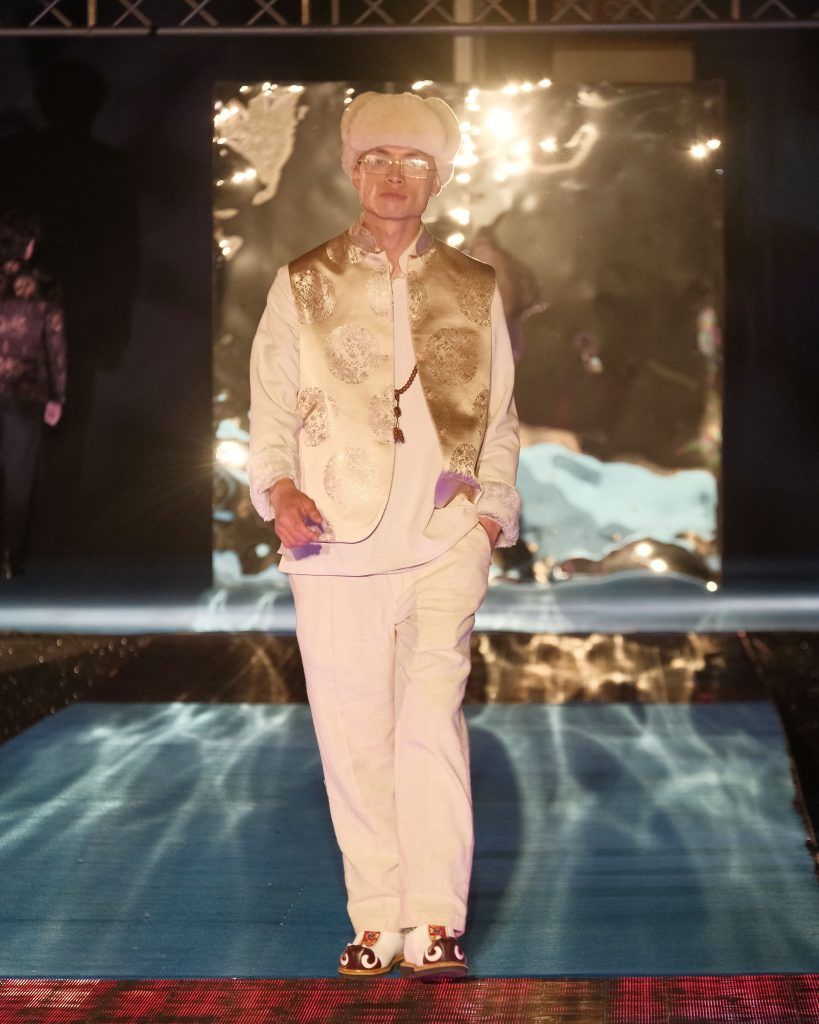
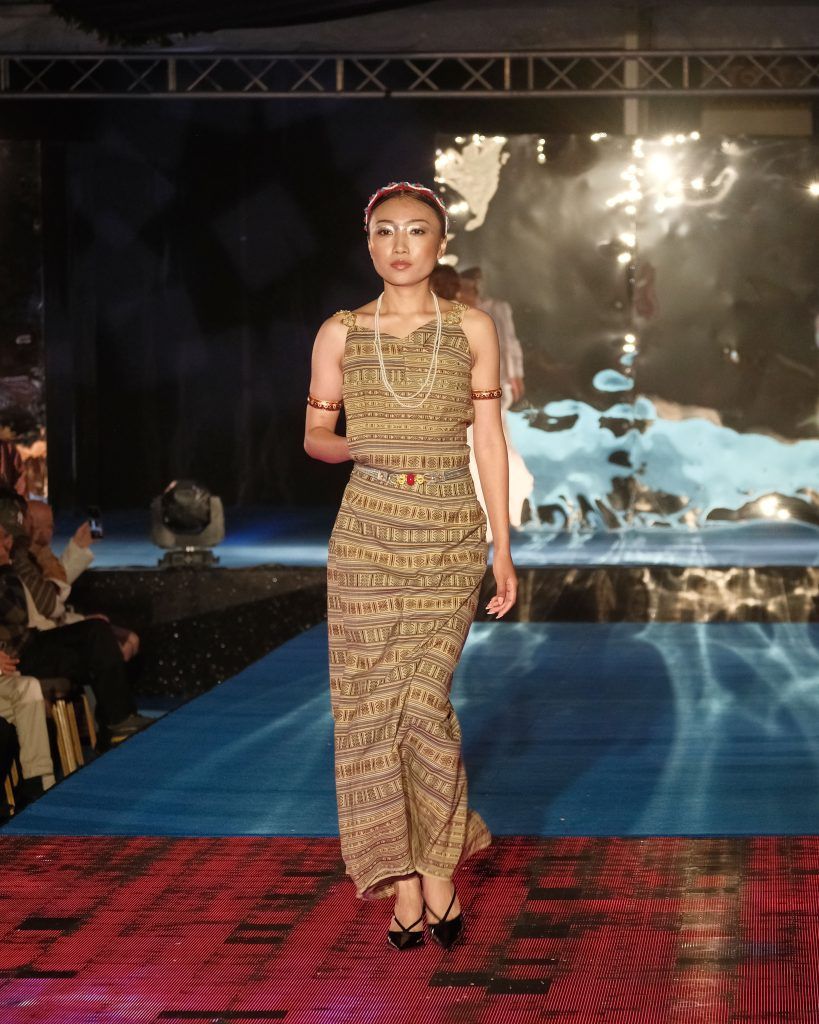
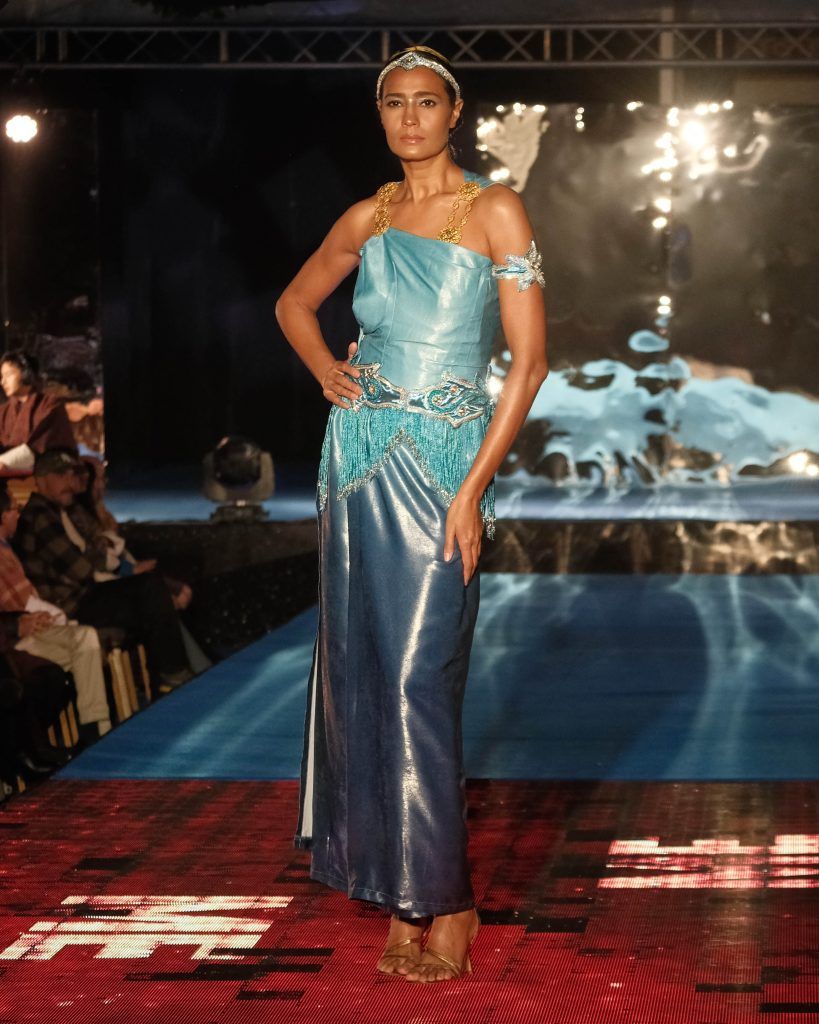
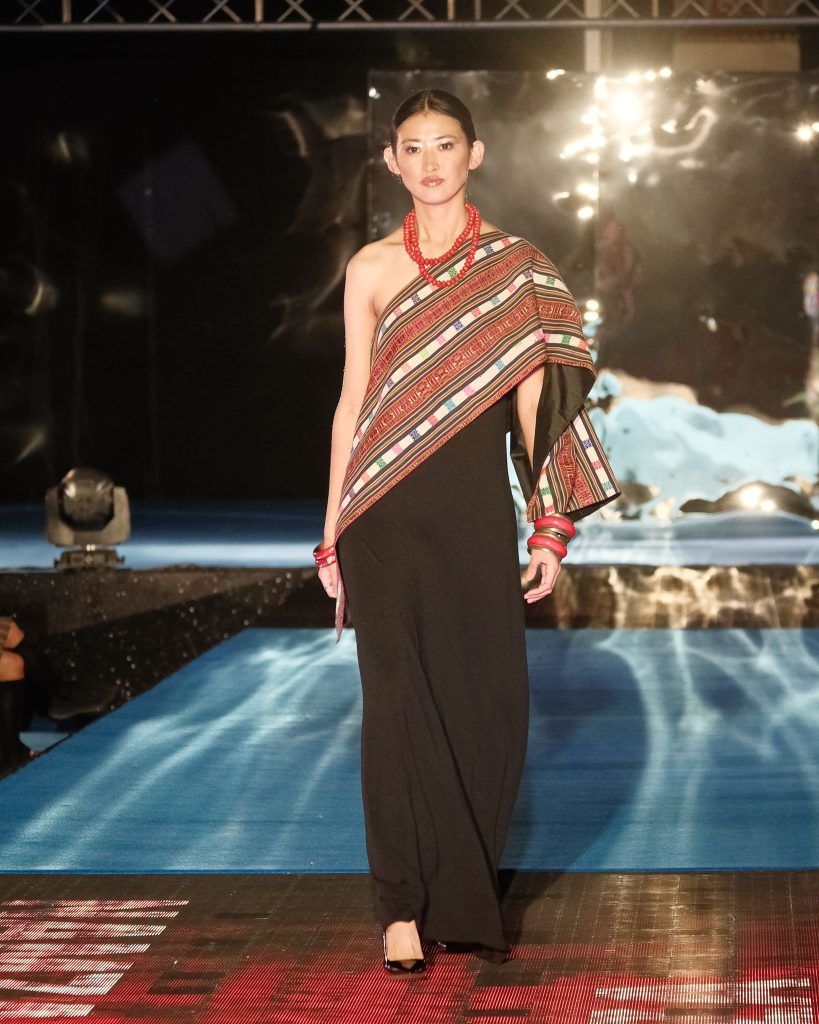
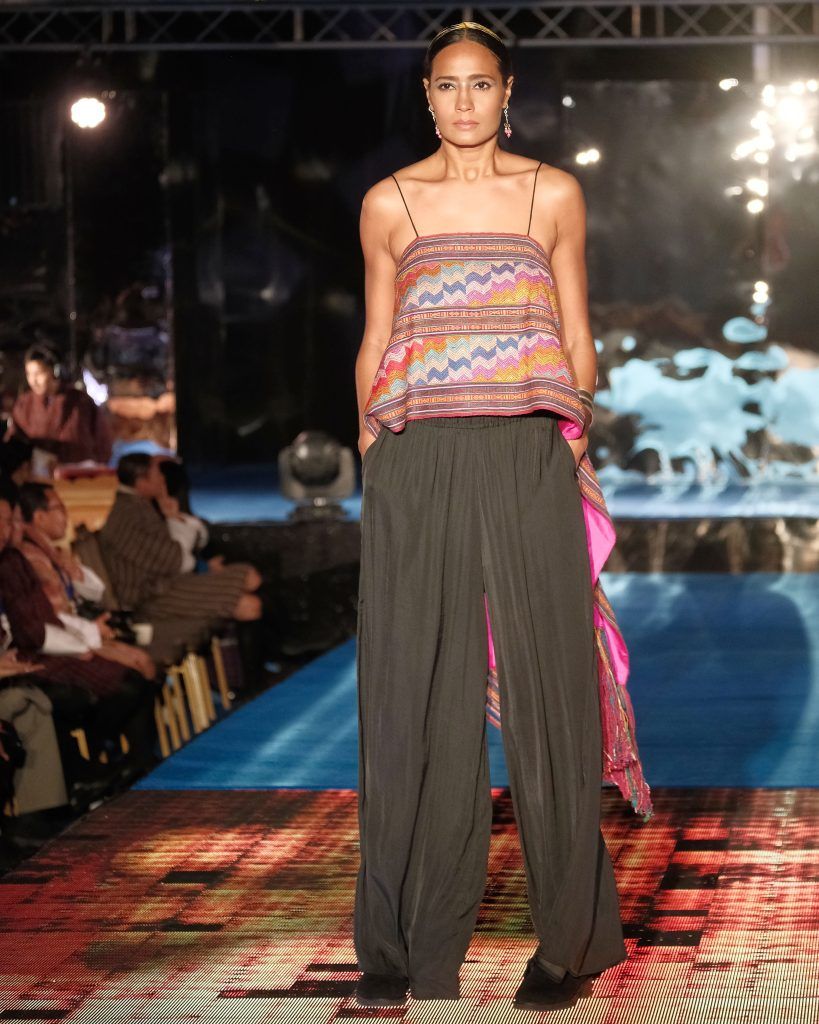
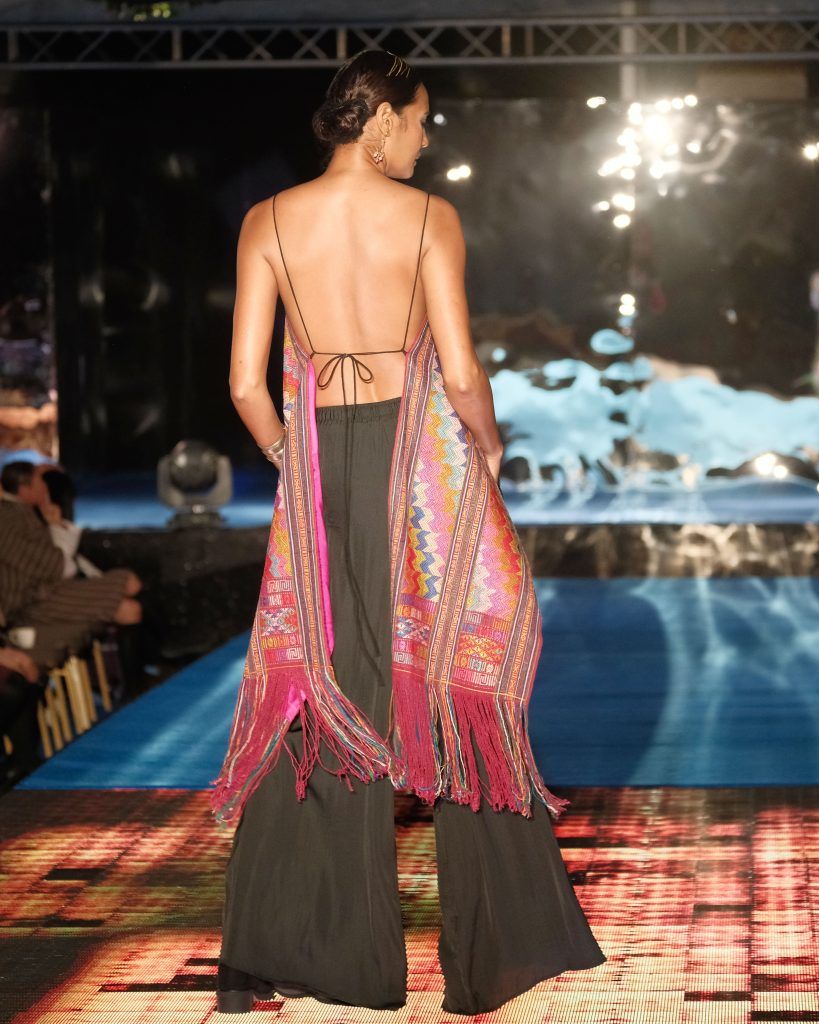
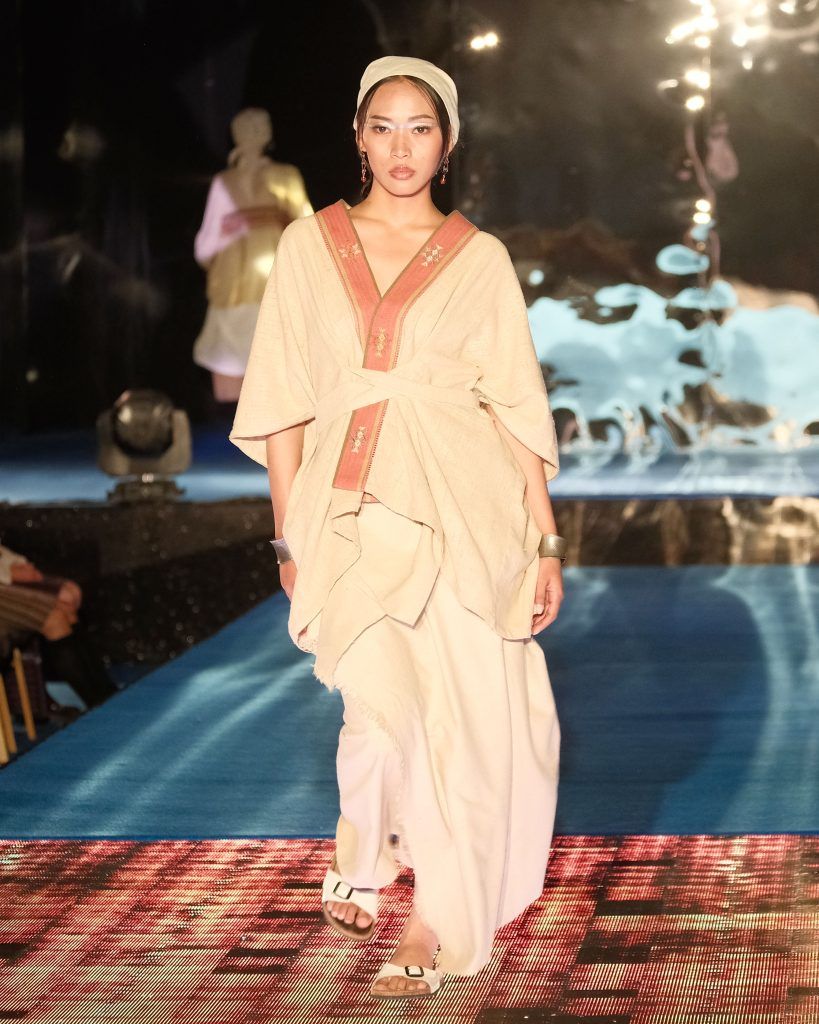
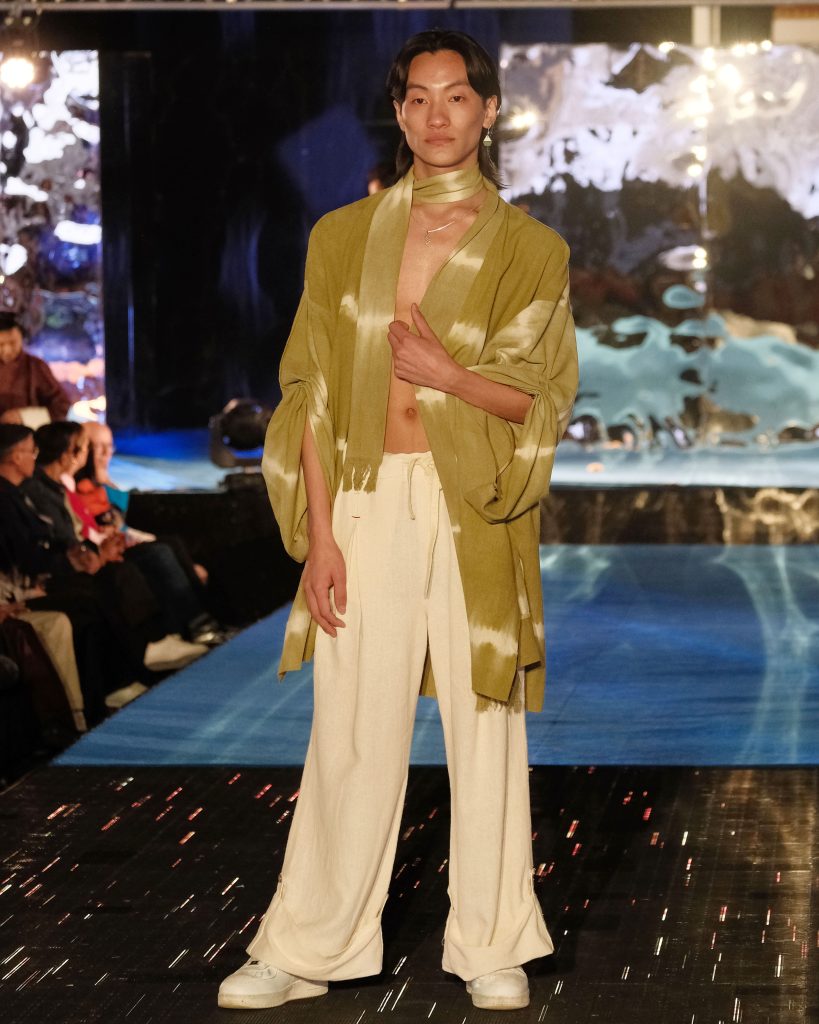
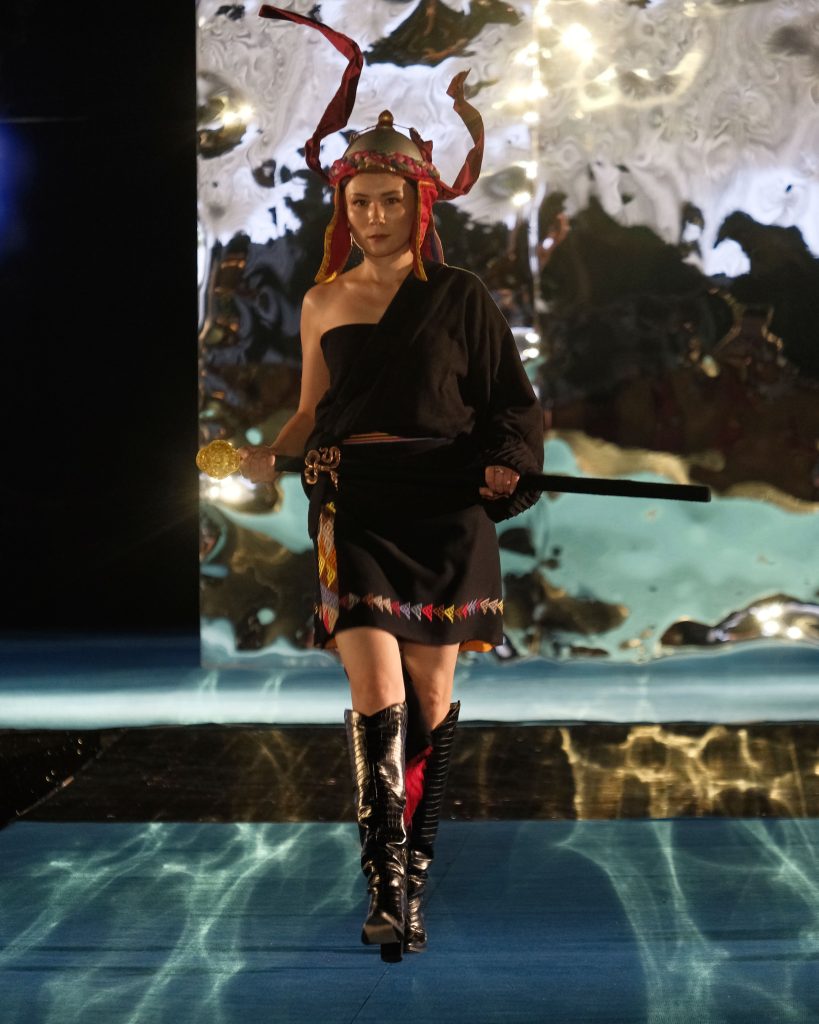

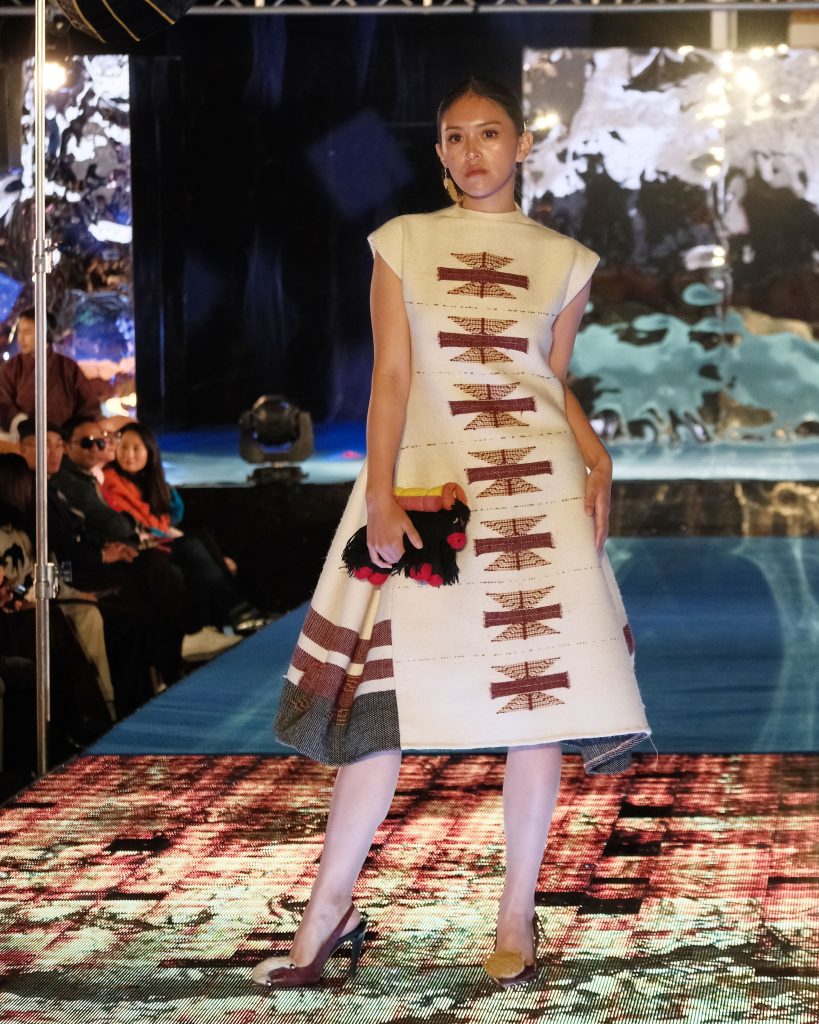

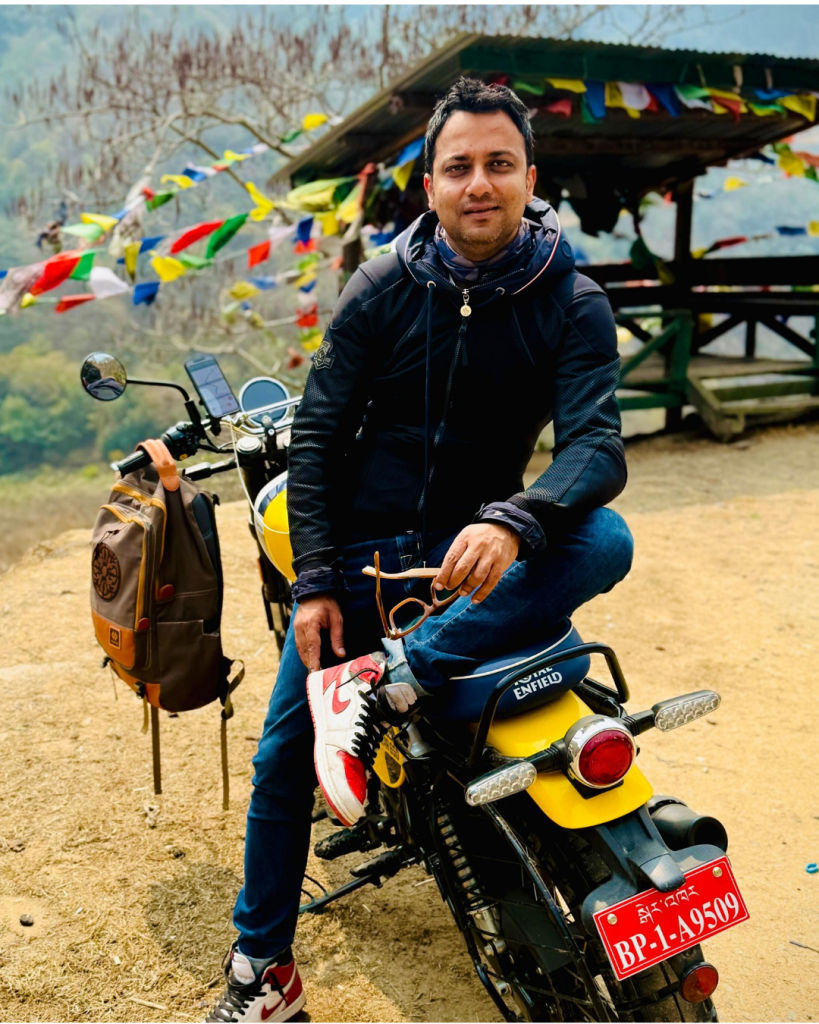
Asia’s rise is not limited to metropolitan giants. Bhutan is cultivating a fashion identity rooted in cultural authenticity. Yeishan Goel, CEO and founder of Himalayan Echoes, explains to BurdaLuxury how the launch of Bhutan Fashion Week signals Bhutan’s growing confidence in contributing its own cultural language to Asia’s fashion narrative. “The event marked a milestone moment for designers and master weavers whose artistry has long been admired within the country but rarely showcased globally.”
He continues, “Bhutan’s greatest strength lies in its authenticity – something travellers and the fashion world both value more than ever. Textiles are created by hand, using natural materials, traditional dyes, and symbolic motifs passed down through generations. In the global fashion landscape, they position Bhutan not as an emerging trend, but as a benchmark for what responsible, culturally grounded luxury can look like.”
Bangkok and Seoul, too, are making waves. Bangkok Fashion Week blends contemporary Thai design with luxury streetwear aesthetics, while Seoul’s fashion weeks showcase the city as a K-pop-driven, tech-savvy hub that merges entertainment and luxury. Tokyo remains a playground for avant-garde designers, with shows from Comme des Garçons, Issey Miyake, and Kenzo illustrating Asia’s appetite for innovation and artistry.
BurdaLuxury’s Lens
Asia’s rise is not imitation; it is reimagination. Paris and Milan offer centuries of legacy, but Asia offers immediacy, digital literacy, wealth concentration, and creative audacity. Macau, Shanghai, Singapore, Seoul, Hong Kong, Bhutan, Bangkok, and Tokyo are not simply markets; they are laboratories of style, commerce, and cultural influence.
What sets Asia apart is its diversity of approach. Shanghai experiments with digital, tech, and commerce; Hong Kong bridges continents; Singapore offers luxury infrastructure; Bhutan champions heritage and sustainability; Seoul fuses pop culture with fashion; Bangkok blends luxury with lifestyle; Tokyo pushes avant-garde experimentation.
Asia does not need to chase Paris or Milan. Its cities are defining a new paradigm of what a fashion capital can be: digitally fluent, culturally resonant, experientially rich, and unapologetically audacious. Luxury brands are no longer performing for the audience – they are performing with it.
The real question is no longer if Asia can become a fashion capital; it is how it will redefine what it means to be one.