

Bracing for dawn, a small group gathers at the edge of the village with work gloves and quiet purpose. They are not here for a spa treatment or a curated dinner; they have flown in expressly to hang beehives along a wire, creating a living fence that will deter elephants from trampling fields and, in the process, protect both livelihoods and wildlife. The morning is humid and slightly absurd – city shoes beside country boots, itineraries swapped for twine – and yet by the time the sun clears the hills, there is a new rhythm: conversation about soil and seedlings, the clink of tools, a sense that a holiday can be more than an indulgence. This is jet-set philanthropy in practice: travellers who travel to give, who book with intention and return with responsibility. “This is no longer a niche interest; it’s a primary driver for many bookings,” Saskia Brown, a marketing representative for luxury safari operator Hatari Travel, tells BurdaLuxury. According to operators and foundations across continents, more guests are now choosing journeys that end not with a postcard but with a project.
A Market Remade: Demand, Demographics and the Moral Ledger
Jet-set philanthropy is not a philanthropic fad designed to make wealthy travellers feel better. It is increasingly a commercial expectation and a social practice. The people booking these trips are varied – millennials and Gen Z seeking meaning and families eager to create teachable moments – but the pattern is consistent: travellers want purpose embedded into their itineraries. “This trend is most prominent among Millennials and Gen Z, as well as multigenerational family groups,” Brown observes, and that demographic shift is important because it reframes philanthropy from an optional add-on into the central product.

Operators confirm the evolution. “We are seeing a significant shift amongst our guests,” Mel Suntal of Axonall, the world’s first AI-powered luxury travel platform, says. Her company’s approach blends personalisation with impact: “Our AI doesn’t just match our guests with destinations; it identifies opportunities aligned with their personal transformation arc.” For some travellers, a donation must be hands-off and discreet; for others, it must be hands-on and visceral. “For our UHNW guests, this is not about contributing to a one-off charity, it’s part of their legacy building,” Suntal adds – a reminder that, for many, travel now functions as a form of long-term giving and estate shaping rather than episodic benevolence.
There is an economics to this too. Guests who attach meaning to a stay are more likely to pay a premium, return, and recommend a property. Hospitality groups that integrate philanthropy into the guest journey often report stronger loyalty metrics and purpose-linked marketing wins. In short, money flows where mission meets credibility, and those two conditions are what successful programmes must deliver.
Why Now: Culture, Credibility and Technology
Several convergent forces explain why jet-set philanthropy is accelerating. First, values have migrated into consumption; travel is an extension of identity. “They want to move beyond passive observation and participate in a meaningful experience that creates a direct, tangible impact,” Brown says. That line captures a cultural logic: people want their break from the everyday not just to restore themselves but to restore something else, too.
Second, operators have professionalised philanthropy. It is no longer an afterthought on the booking form but an integrated product. At Hatari, agricultural initiatives and community partnerships are woven into the guest experience. “These are not separate ‘add-ons,’ but rather an integral part of the guest experience,” Brown emphasises. Embedding giving into the rhythm of a stay reduces friction and increases participation.
Third, technology has made impact traceable. Where once donations vanished into a general fund, now donors can click a dashboard, watch a tree-planting register, and receive post-stay impact notes. Axonall’s Carbon Wallet is emblematic of this trend: “Now our guests can see and track their impact in real time, ensuring their contribution is not abstract but transparent, measurable and unique to them,” Suntal says. Traceability converts sentiment into evidence, and evidence persuades further investment.
Case Studies: The Mechanics of Durable Change
The beehive fence project is a useful microcosm of how philanthropy works when it succeeds. In agricultural areas where elephant raids threaten crops, conservationists have developed a low-tech solution: string a line of beehives along the perimeter of farms. Elephants instinctively avoid bees; the fence thwarts raids, protects crops, and reduces human-wildlife conflict without harm to animals. Guests who travel expressly to fund and install sections of such fences do more than donate; they join a chain of maintenance, local ownership and measurable outcomes. “The Beehive Fence Project is an innovative, non-lethal, and sustainable method of mitigating human-elephant conflict,” Brown explains.

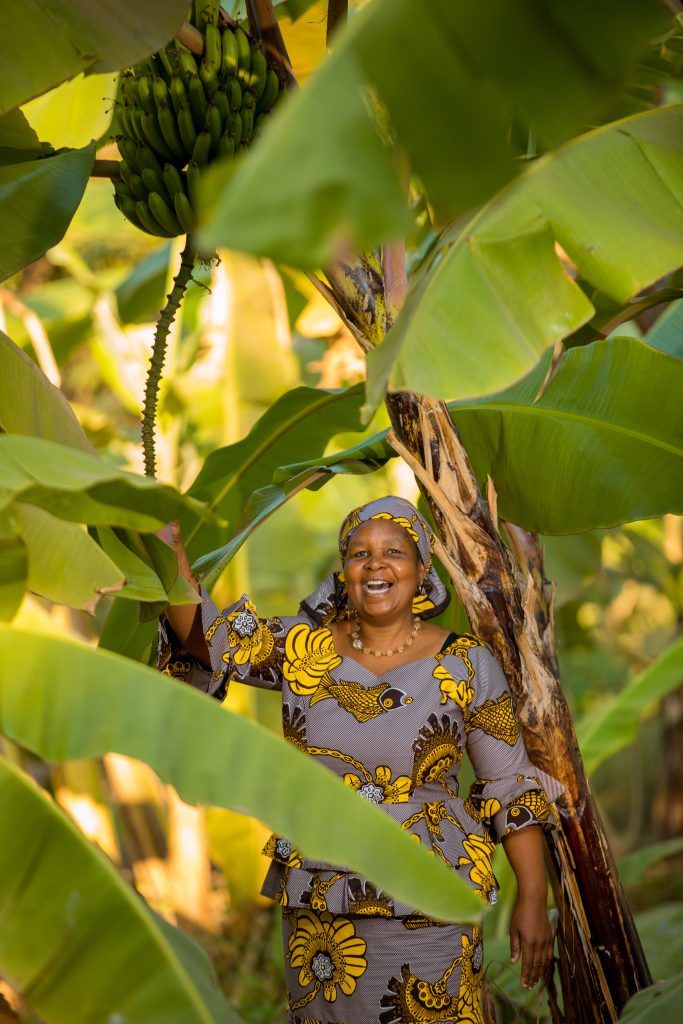

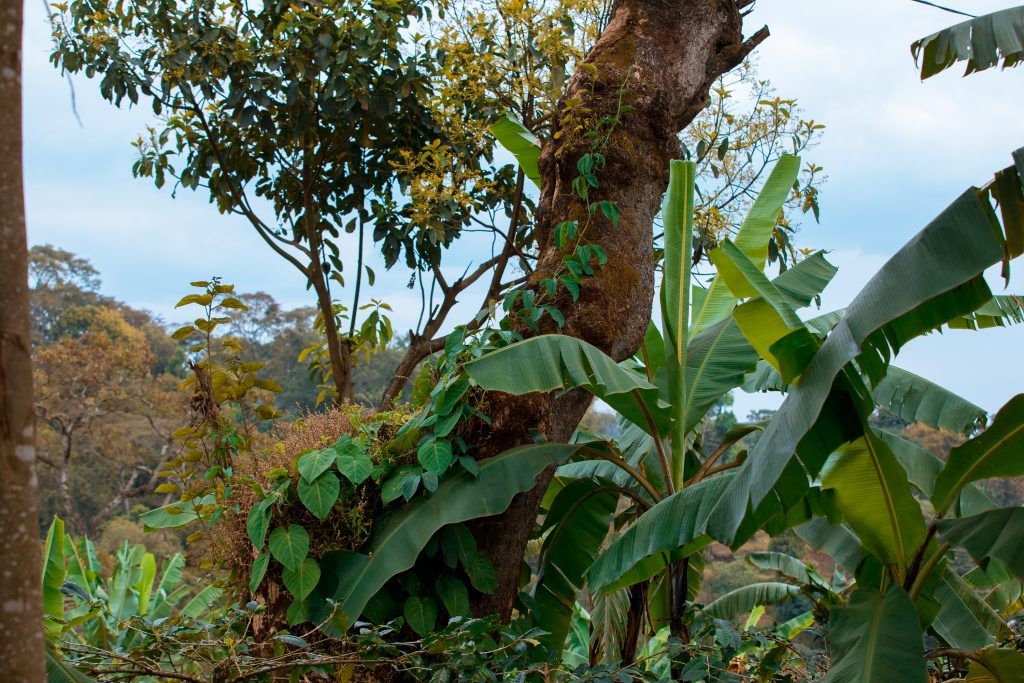
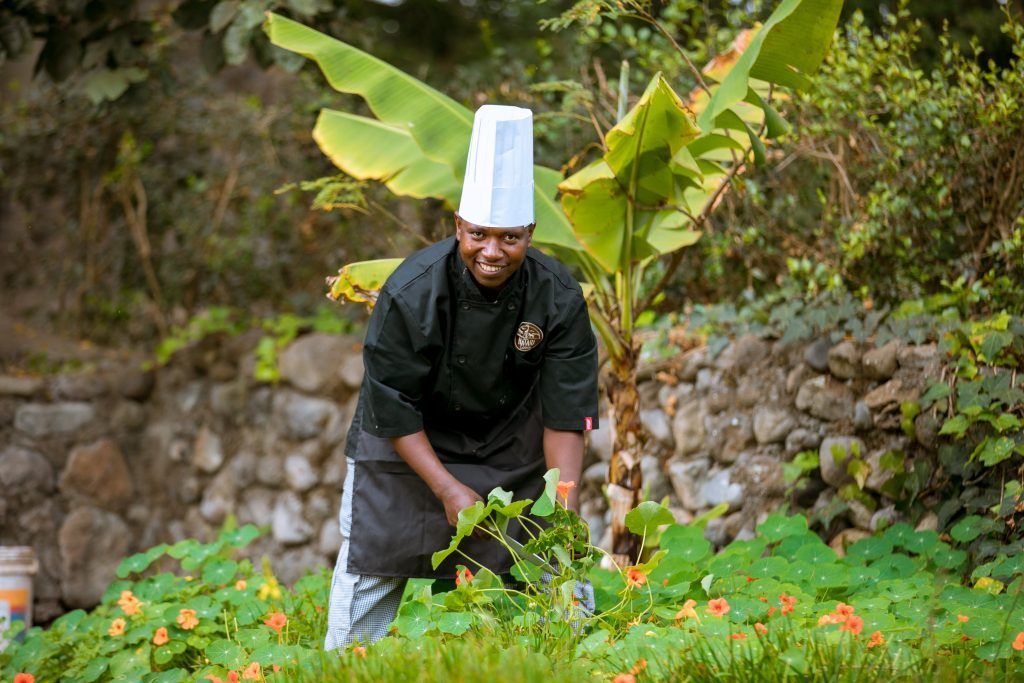
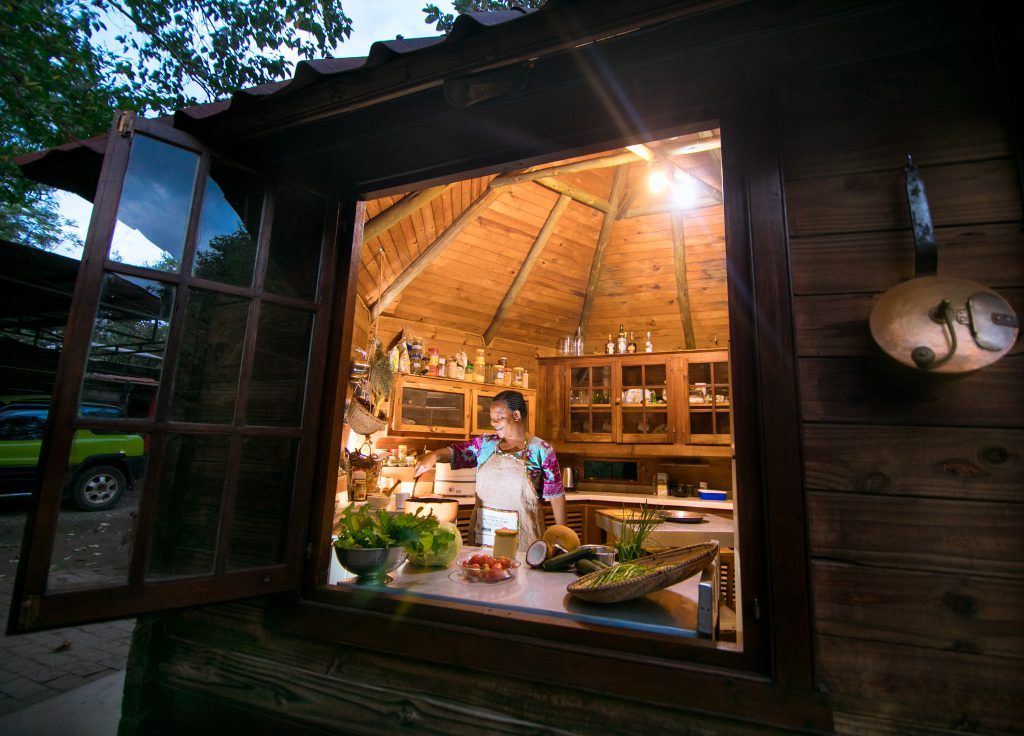
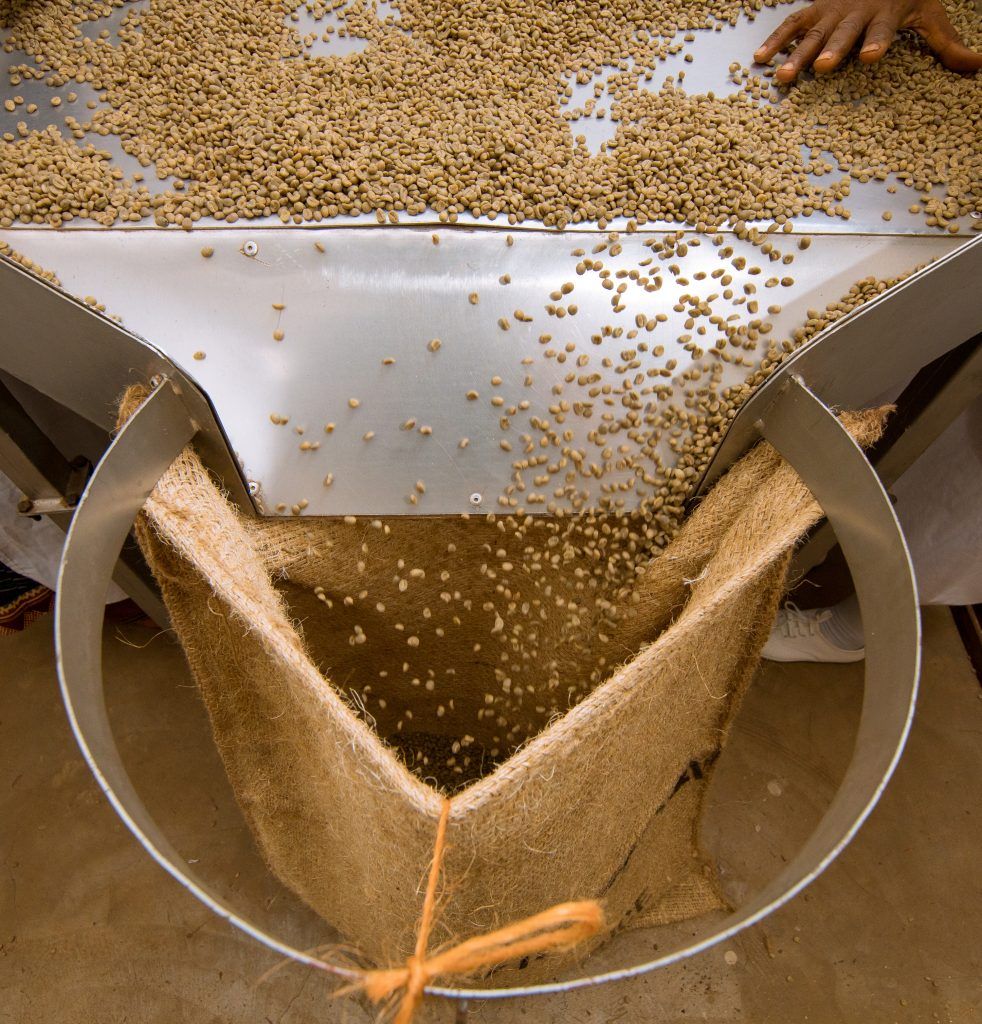
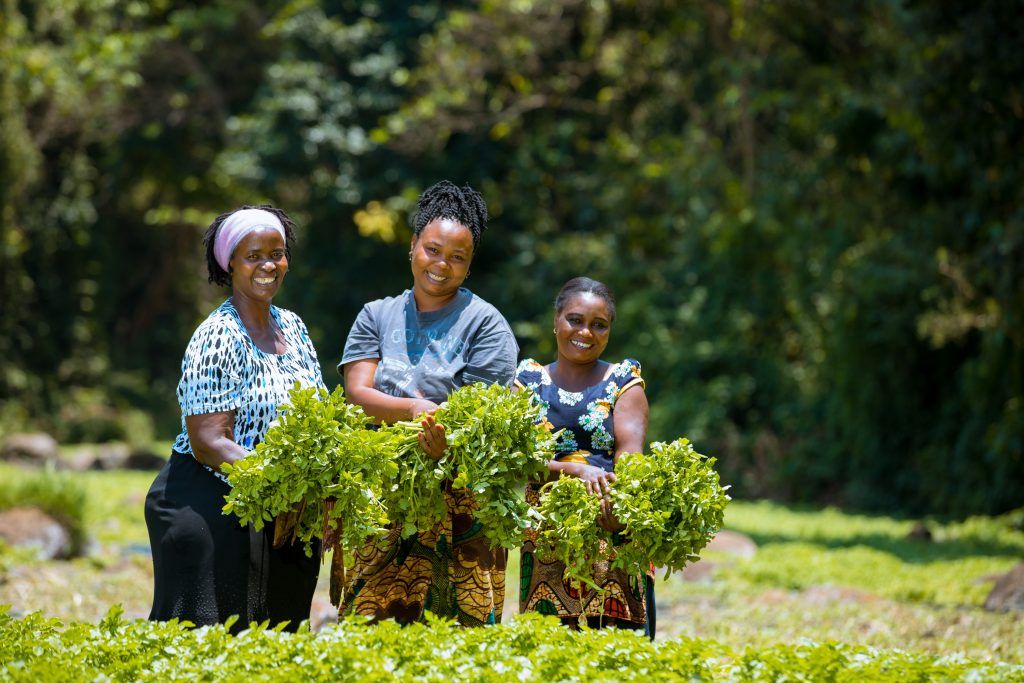
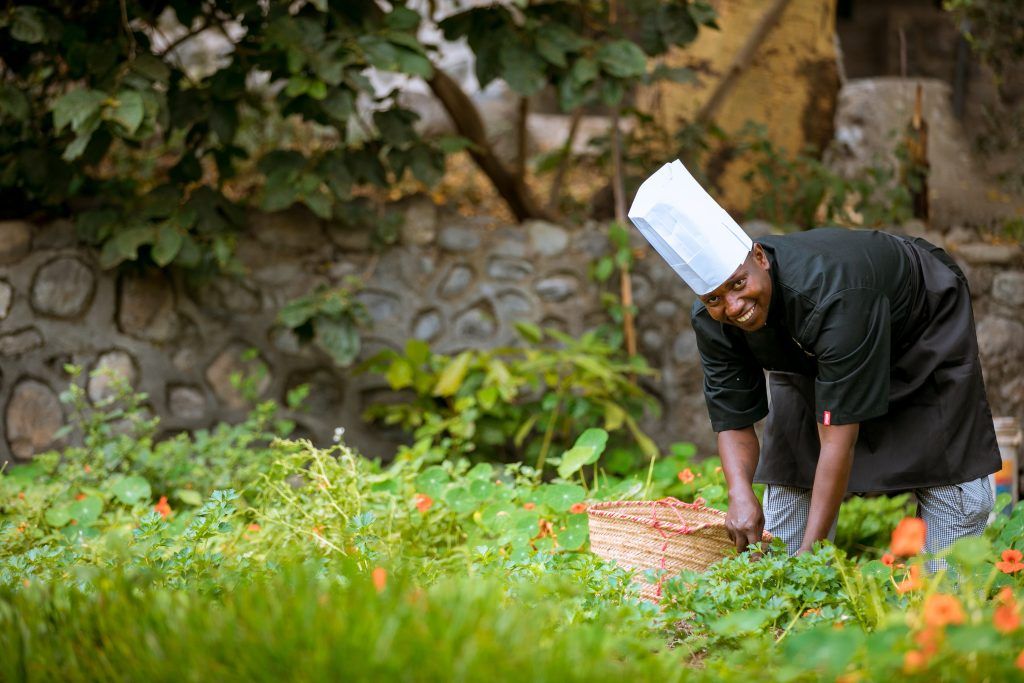
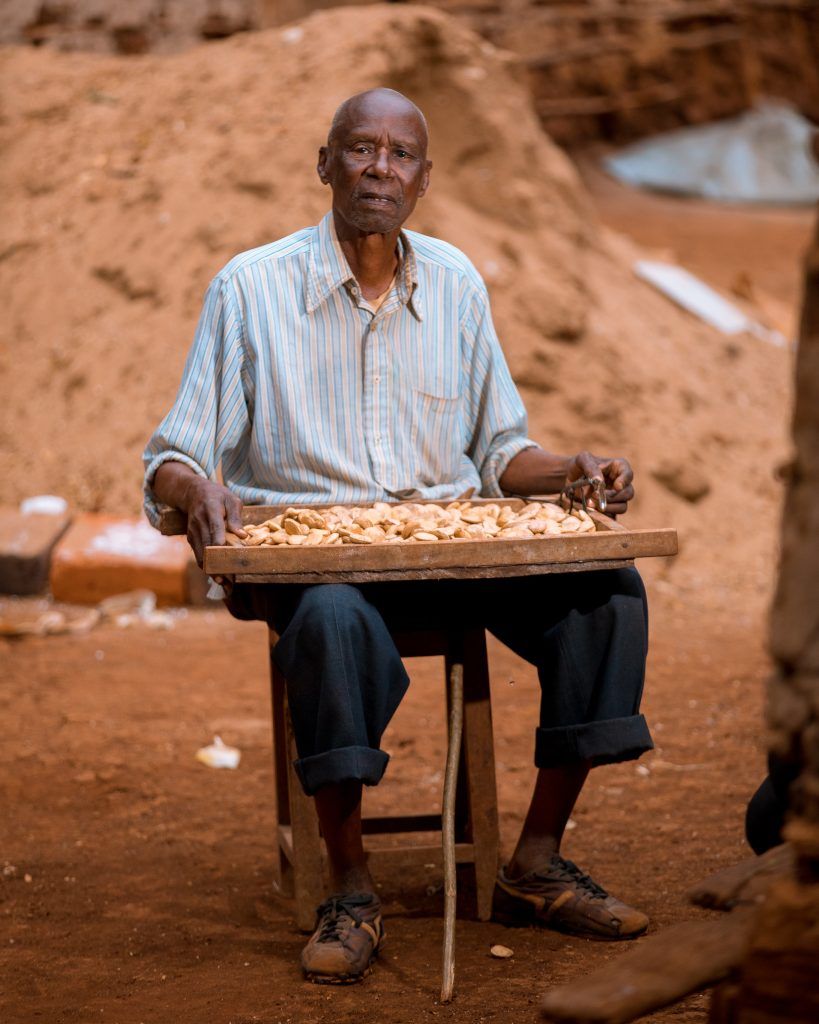

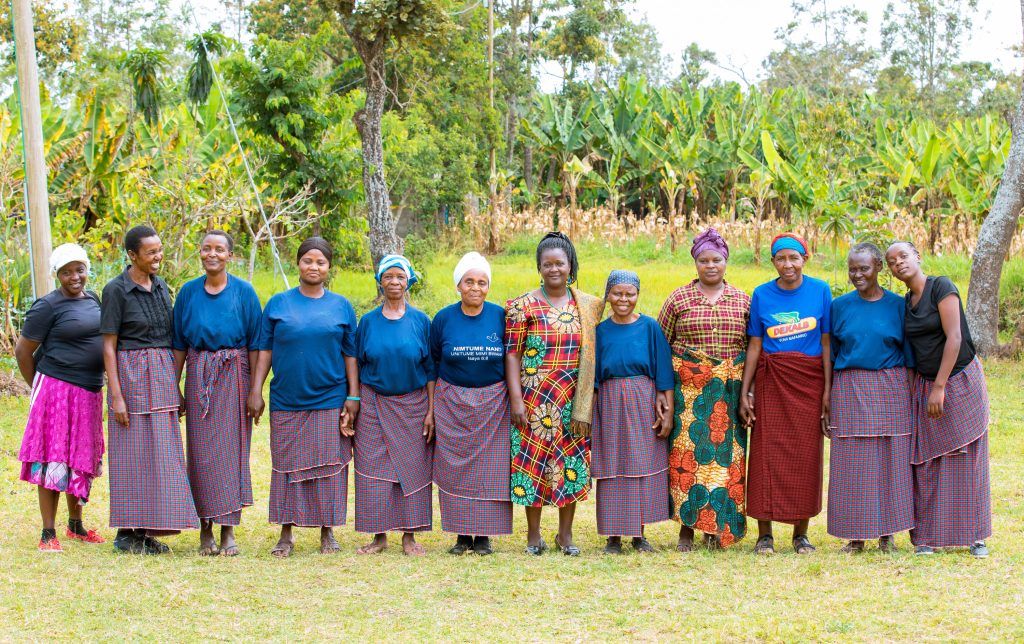




Hatari Travel’s Wondergarden initiative pairs botanical tours and community breakfasts. She notes that guests often find the project compelling precisely because it is tangible: “Guests love hearing the story of how a specific food item on their plate came from a project they are helping to sustain.”
Success, however, requires local training, maintenance budgets, and long-term monitoring – not just a celebrity photo-op. Hatari’s model emphasises partnership with local communities: “We collaborate directly with local Maasai communities in the Enduimet Wildlife Management Area, who manage the land and benefit directly from the tourism,” Brown says. That local stewardship is critical because it turns a one-day activity into a sustainable intervention.

Travelling for philanthropy does not look the same everywhere. In Kenya, Cottar’s Safaris has developed the Raptor Safari, which combines rare birdwatching with practical conservation funding. “A safari in Kenya is usually a once-in-a-lifetime bucket list experience, and luxury travellers often do not arrive with a plan to give back,” Cottar’s co-owner and CEO, Louise Cottar, notes, but once guests understand the stakes, they frequently choose to contribute. “The first reason is having an experienced guide who can really explain the key issues,” she says. The Raptor Safari funds the Mara Raptor Project and a scholarship for a Kenyan conservationist – a model that links immediate experience with capacity-building: “It’s a powerful example of how travel can both enrich guests’ lives and safeguard the future of a threatened species,” Cottar reflects.

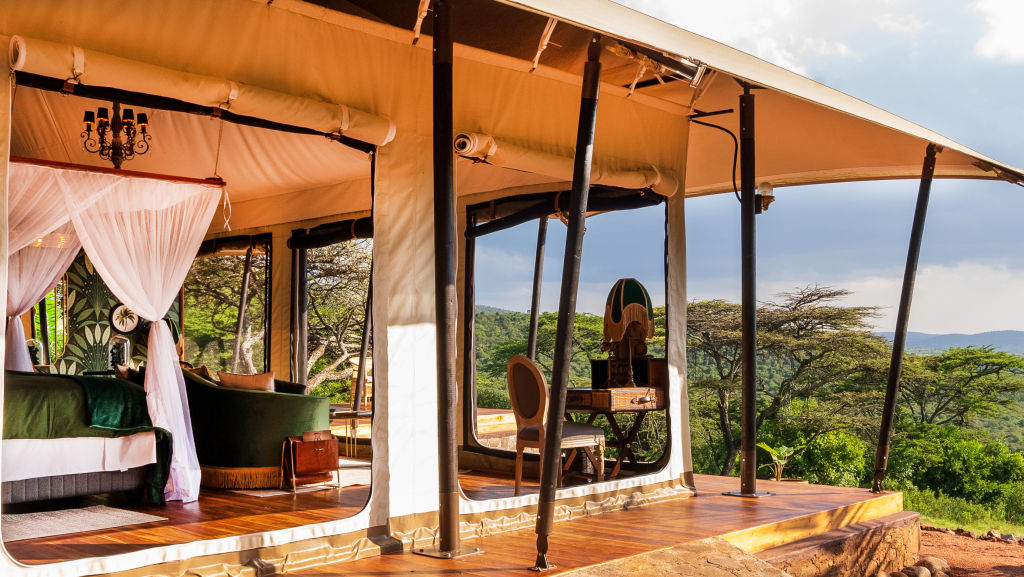
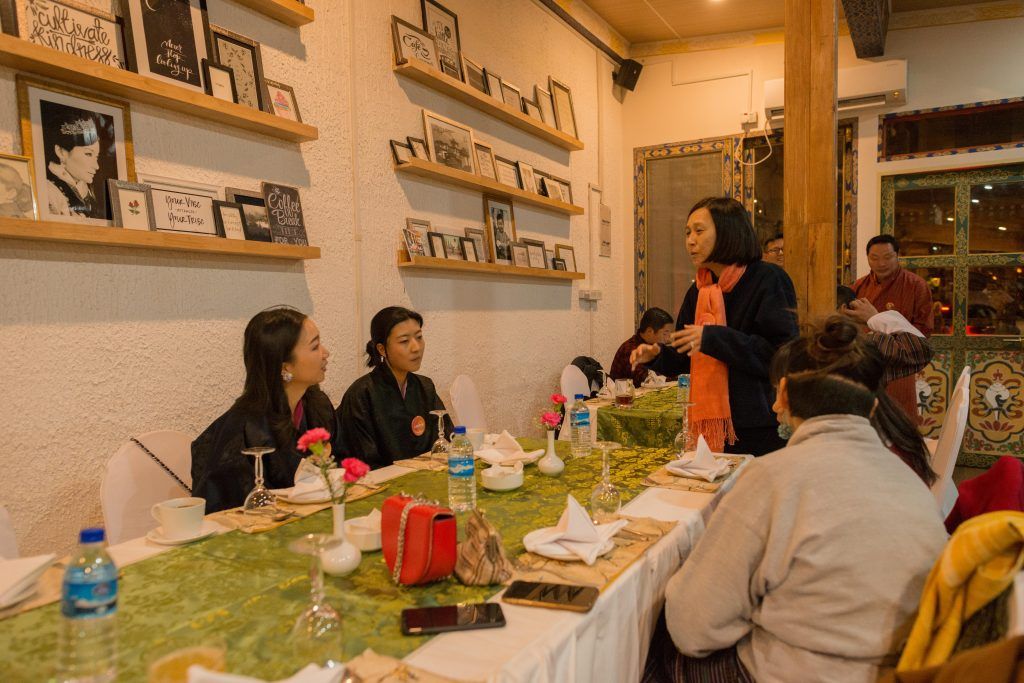
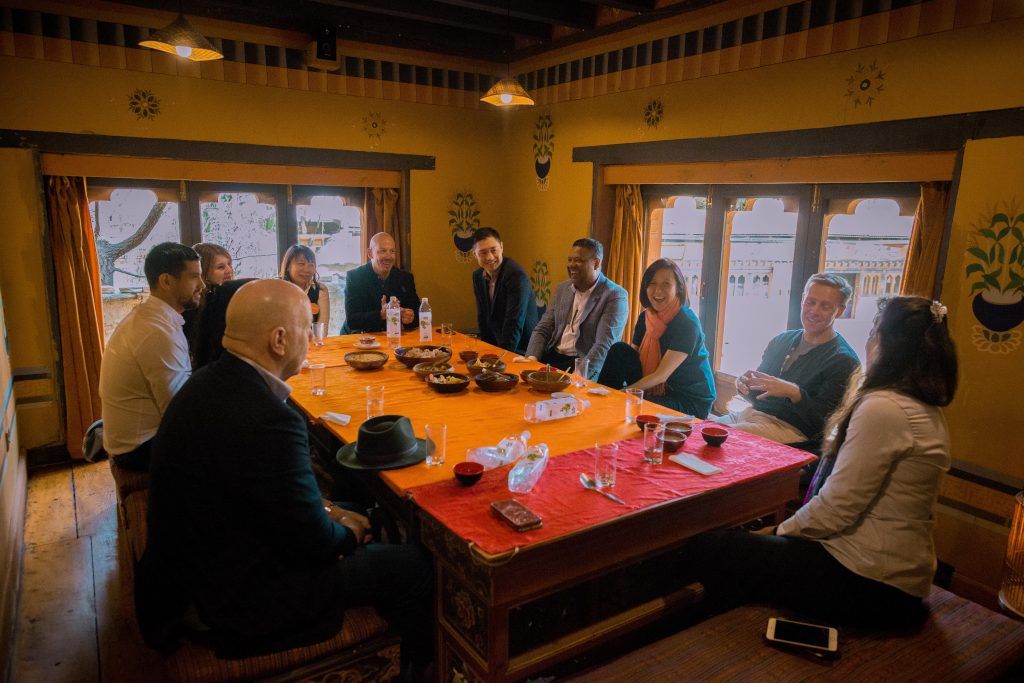
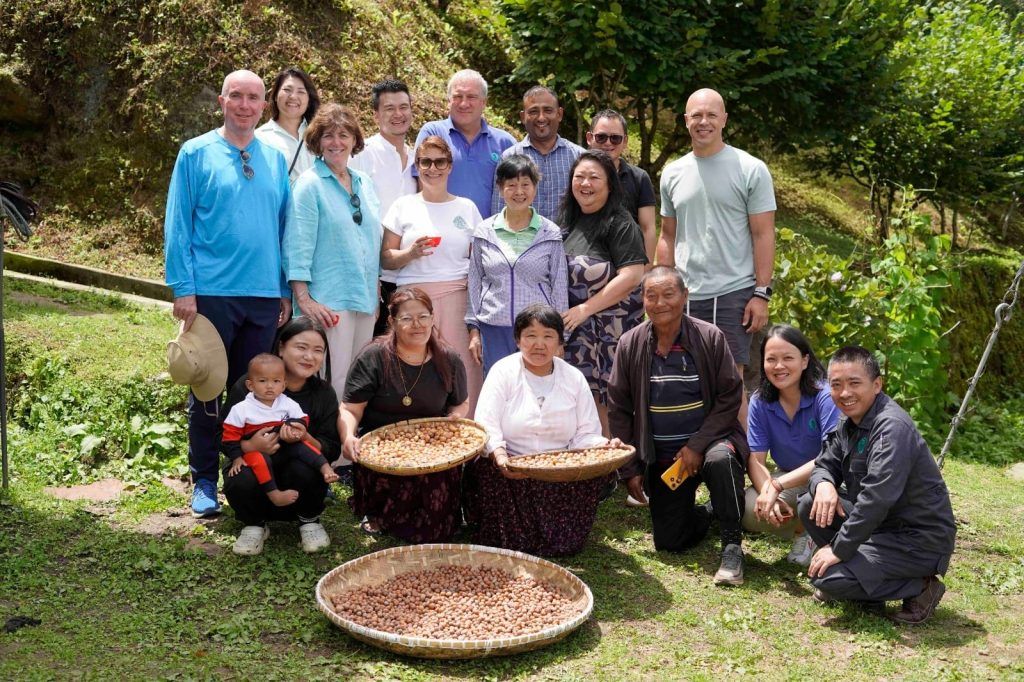
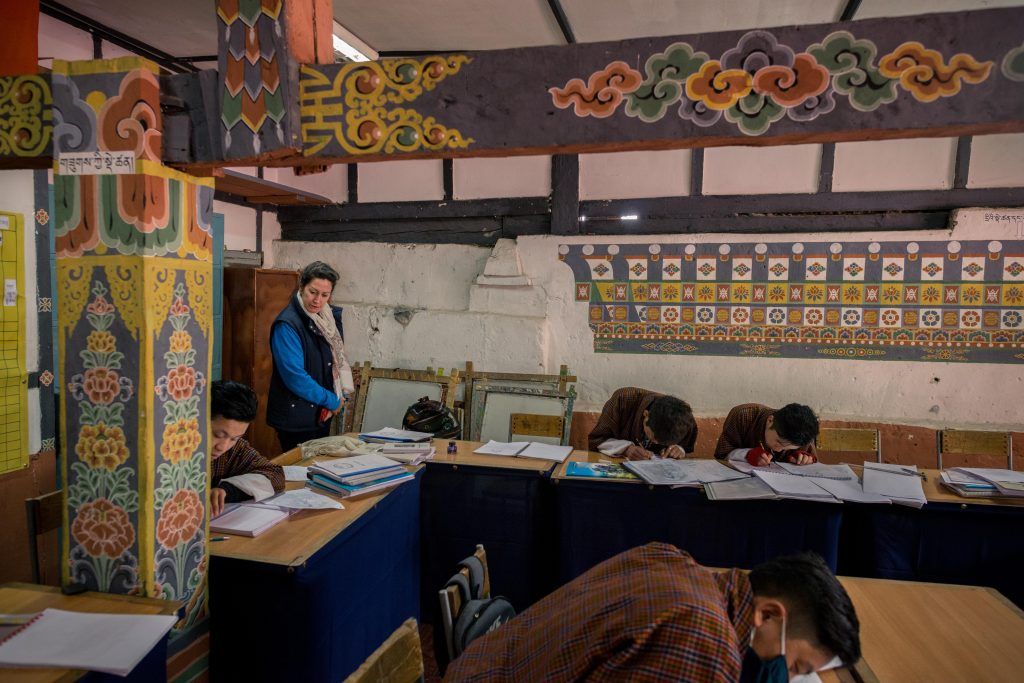
In Bhutan, philanthropy is often national in scale. Druk Asia’s Philanthropy Tours donate a portion of tour costs to the Museums of Bhutan, aligning neatly with the country’s Gross National Happiness framework. “As part of our ongoing efforts to fundraise for the Museums of Bhutan, we recently launched our first Philanthropy Tour, where 20% of tour costs are donated to the Museums of Bhutan,” Joni Herison, the Managing Director of Druk Asia, explains. Cultural preservation becomes both a tourist offering and a civic investment. “Many guests share how understanding Bhutan’s way of life – the country’s Gross National Happiness values, mindfulness, and community spirit – inspires them to become active participants in supporting local communities,” he says, and that sense of mutual civic interest makes philanthropy feel less extractive and more reciprocal.

Spa and wellness brands are not immune. Six Senses Yao Noi offers guests mangrove planting and Earth Lab workshops: REVĪVŌ Wellness Resorts route stay-linked donations into medical diagnostics and skill exchanges. “Guests can engage with local farming partners, learning sustainable agriculture techniques or assisting with improvements at local schools or community centres,” says Malinee Laohaburanakit of Six Senses. REVĪVŌ’s Gordon Oldham explains that “it’s moving from performative to professional.” He presses the point that systems and maintenance matter. “Our role is to turn good intentions into good systems,” he adds, and in his view, the quiet work of budgeting spare parts and training local crews is where impact actually survives.
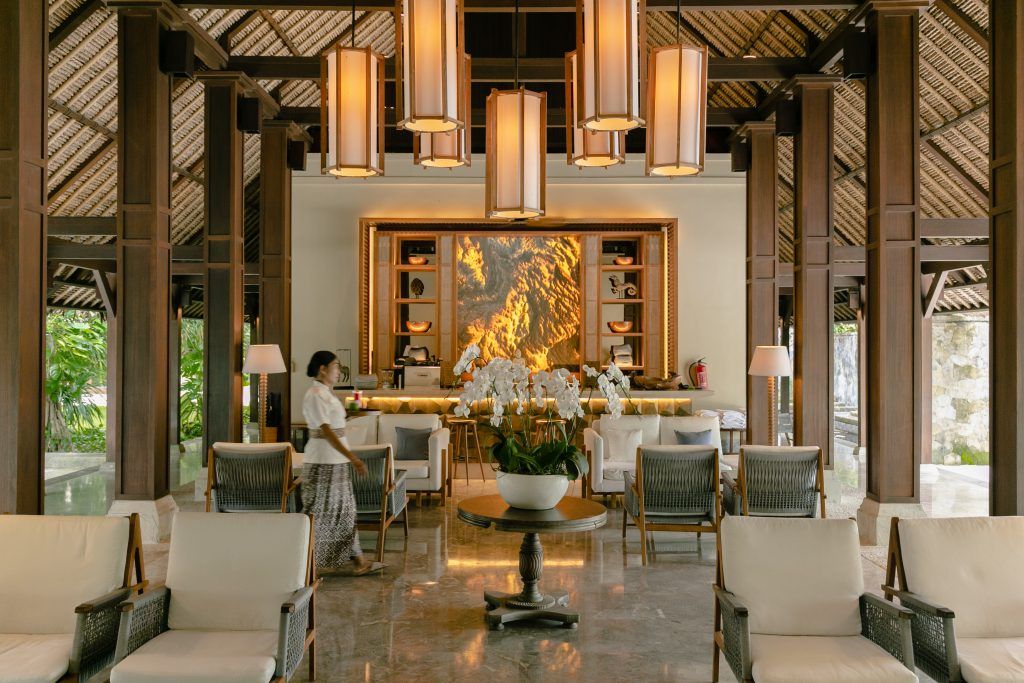
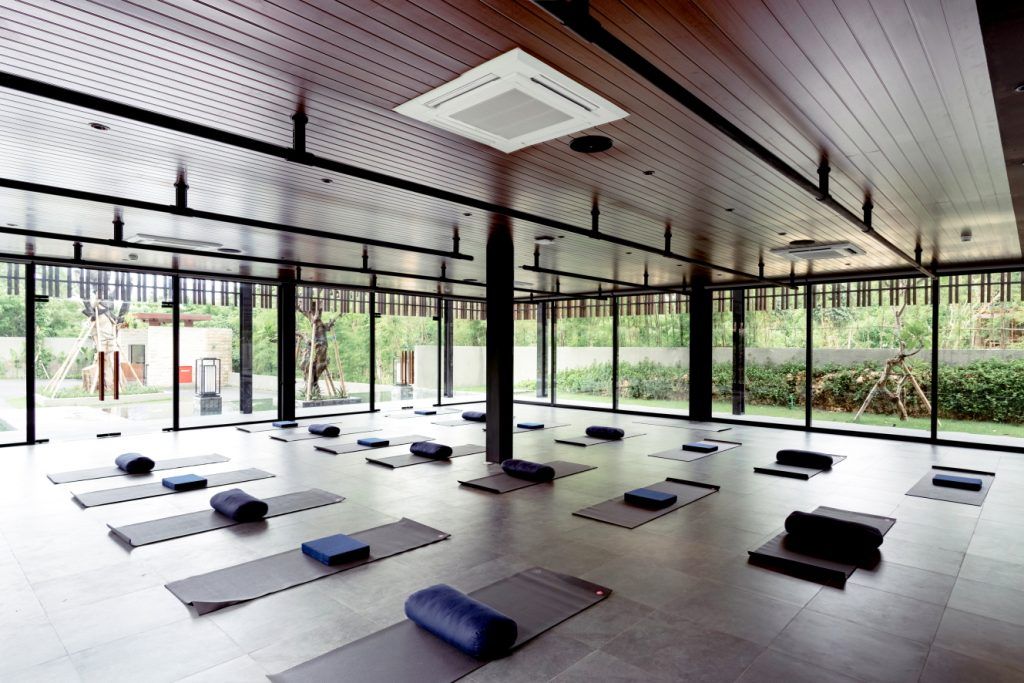
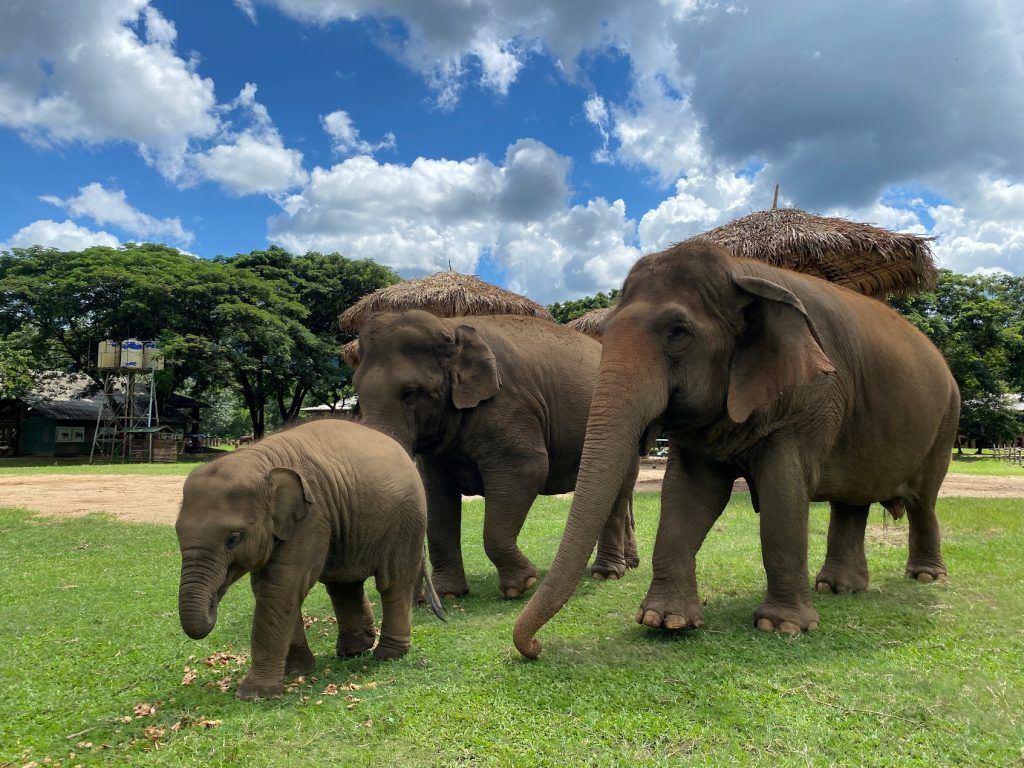
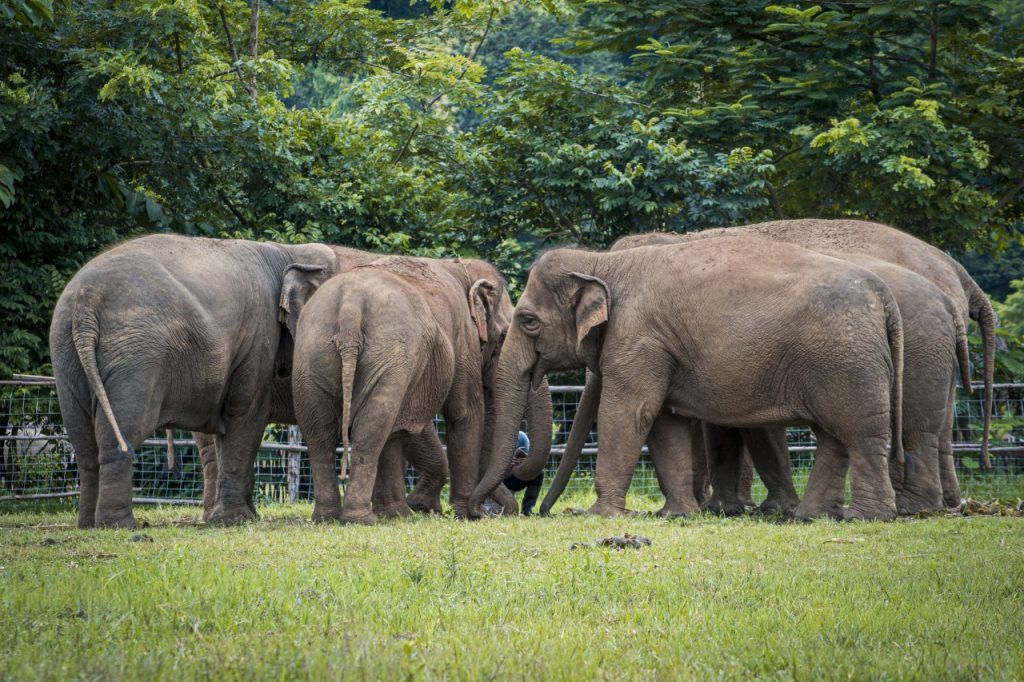
Even urban luxury properties are participating. 137 Pillars Hotels & Resorts, for instance, partners with Elephant Nature Park in Chiang Mai for elephant conservation and reforestation, while initiatives such as the Animal Art Latte Campaign benefit the Home4Animals Foundation. The hotel also supports local social enterprises, selling handicrafts made by Akha women through Macrame by Nicha, and hosting workshops for underprivileged communities. As 137 Pillars observes, “Jet-set philanthropy is increasingly shaping luxury travel by aligning high-end experiences with meaningful social and environmental impact.” Across these examples, whether in wildlife corridors, remote islands, or urban settings, the throughline is the same: philanthropy works best when it is thoughtfully integrated, locally led, and built to endure.
The Ethics: Humility, Participation and the Danger of Spectacle

Jet-set philanthropy can founder if it becomes a PR exercise. Experts caution against top-down interventions and one-off gestures. “Philanthropy is not an add-on but a natural extension of travel’s role in strengthening communities,” say Maudie Tomlinson and Olivia Cryer of The Conscious Travel Foundation. They emphasise trust-based philanthropy: multi-year unrestricted funding with simplified reporting and participatory grant making. “Impact is most meaningful when it is measured in relationships, resilience and long-term change, not just in one-off metrics,” they argue. And their final caveat is clear: “True philanthropic travel requires humility: recognising that communities know what they need and that the role of travellers and funders is to support, not to dictate.”
These are not platitudes. Without local leadership, donor-driven project risk misalignment. A school rebuilt without a maintenance plan is a vanity build. A clinic without trained staff is an empty promise. The Conscious Travel Foundation urges operators to cede decision-making power and to prioritise community-defined outcomes. Operators that honour these principles avoid the worst outcomes of voluntourism and ensure projects remain relevant and sustainable.
Business Models: Legacy, Transparency and the Appeal of Discretion
Jet-set philanthropy also forces a rethink of hospitality economics. For some operators, philanthropy becomes a revenue differentiator: a hotel that can credibly promise measurable impact can command a higher rate and deeper loyalty. For donors, the appeal of legacy matters.
Disclosure and discretion are both in demand. Some donors want public recognition; others demand anonymity. Axonall’s technology seeks to satisfy both by making impact traceable while respecting privacy. “For Axonall guests, philanthropy is not a checkbox activity or something they show off. It truly is an integral part of their personal journey,” Suntal says. Operators who can offer verified impact reports, annual updates and donor options will be the ones best positioned to keep high-net-worth donors engaged.
Travelling for philanthropy isn’t just for leisure. Corporates are increasingly converting meetings into legacy projects, and the MICE (meetings, incentives, conferences and exhibitions) sector is taking note. Herison explains that corporate clients are asking for group tours and donation-linked venues in Bhutan: “We are starting to see more interest from corporate clients to organise larger group tours in Bhutan,” he says. The logic is simple: companies can align team-building with tangible CSR outcomes, converting conference fees into museum funds or community infrastructure. This is a scalable form of philanthropy: one negotiated contract can seed a long-term community partnership.
Where Next
In the coming decade, the practice will likely deepen rather than disappear. Existing hotspots – parts of East Africa, Southeast Asia and the Amazon – will remain focal points because they combine biodiversity urgency with tourism infrastructure. Cultural philanthropy will grow in urban and rural contexts alike: museums, craft cooperatives and culinary heritage projects will attract travellers who want to sustain identity as much as species. “Our guests really value knowing that by staying with us, they’re directly supporting the local community,” says Anchalika Kijkanakorn, Founder and Managing Director of AKARYN Hotel Group.
Technology will add new markets: subscription-style giving tied to a property, impact marketplaces where donors select projects, and dashboards that allow returning guests to monitor scholarships and reforestation plots. Operators who can marry emotional storytelling with governance will succeed. “This blend of indulgence and impact is exactly where we see the market heading,” Kijkanakorn remarks, and those words point to a future in which leisure and legacy live in the same itinerary.
The most effective philanthropic travel is rarely flashy. It is the boring maintenance that endures: training a pump technician, budgeting for spare parts, funding a local manager. “Boring is good – and it’s the sort of impact that survives the Instagram story,” Oldham reminds us. The pragmatism underpins most successful programmes. Whether it’s a beehive fence, a scholarship for a raptor researcher, or a clinic with a maintenance fund, the underlying principle is the same: durability over display.
When travellers return home from a jet-set philanthropic trip they often bring back something that no photograph can quite capture: a ledger entry, a scholarship update, an invitation to return. The souvenirs that matter most are traceable improvements.
This kind of philanthropy will not solve every challenge, nor will it be immune to missteps. But when it is practised with humility, partnership and accountability, it can convert privilege into stewardship. As Suntal puts it, “True luxury today is not about five-star hotels and overindulgence. It is the emotional fulfilment of contributing to something greater than yourself.” That fulfilment, measured in functioning wells, repaired reefs and scholarship graduations, may become the true luxury of the coming decade.



BurdaLuxury’s Lens
Jet-set philanthropy illustrates a profound shift in luxury travel, where experiences are no longer measured solely by comfort or exclusivity, but by the positive and lasting impact they leave on communities and environments. Travellers increasingly seek opportunities to engage meaningfully, whether through conservation efforts, cultural preservation, education, or community development.
The most successful initiatives combine thoughtful design with local partnership, ensuring that contributions are tangible, sustainable, and aligned with the needs of the communities they serve. Guests move beyond passive observation to active participation, becoming part of systems built to endure long after their journey ends. This approach transforms travel into a vehicle for lasting change, offering a sense of purpose alongside exploration and enjoyment.