

Over the past decade, India has quietly emerged as one of the world’s most dynamic outbound travel markets. While China may have long dominated conversations about emerging tourist powers, India’s affluent and aspirational travellers are now commanding attention across continents. From private villas in the Maldives to curated gastronomic journeys in Paris, from Tuscany’s vineyards to the beaches of Southeast Asia, the Indian luxury traveller is reshaping expectations, pushing hotels and destinations to rethink experiences, service, and even their very definitions of luxury.
The phenomenon was unmistakable at the TravMedia Summit in Singapore last October, where industry leaders debated how to decode this new segment of the Indian traveller. The consensus was clear: India’s wealthy outbound tourists are now among the most sophisticated, discerning, and experience-focused guests on the planet, and they represent one of the fastest-growing revenue streams for global hospitality.
This surge is not only quantitative but qualitative. Indian travellers are increasingly blending purpose with pleasure, mixing business, wellness, and family gatherings with leisure, and in doing so, redefining what it means to travel in the 21st century.
The Scale and Growth of Indian Outbound Travel
India’s outbound travel sector has been growing strongly. According to the India Tourism Data Compendium 2025, international departures reached about 30.9 million in 2024 – a nearly 11% increase over the previous year, reflecting sustained expansion in global travel demand. Historical records show outbound departures rising from roughly 1.9 million in 1991 to nearly 31 million today. Industry forecasts suggest this growth will continue, with some reports projecting the number of Indian travellers abroad exceeding 45-50 million by 2030.
More importantly, the market is evolving in sophistication. The emerging traveller is digitally savvy, experience-driven, and keen on purposeful, curated itineraries.

Nicholas Smith, Vice President of Operations in Asia for Minor Hotels, observes, “We have seen a marked increase in bookings from Indian travellers, and the momentum shows no signs of slowing. This surge in outbound travel demand is driven by several factors: rising disposable incomes due to the country’s strong economic growth, enhanced air connectivity and the simplification of visa processes, including visa-free entry to destinations like Thailand and Malaysia.”
He adds that while short-haul destinations continue to dominate, secondary cities and emerging markets are capturing attention. “Mainstay destinations such as Thailand, the UAE, and Sri Lanka are popular for initial international and spontaneous travel. However, we are seeing increased interest in secondary cities, thanks in part to new air connectivity, with new flights to Krabi in Thailand and Siem Reap in Cambodia.”
Long-haul travel is also seeing robust growth. Italy, France, Switzerland, and less-discovered European cities like Vienna and Budapest are increasingly appealing to Indian travellers seeking cultural immersion, privacy, and authenticity.”
The Shift From Luxury as Opulence to Luxury as Experience
Perhaps the most defining characteristic of India’s luxury traveller today is a shift away from ostentation toward experiential travel. Jolie Howard, CEO of aviation consultant company L’Voyage, highlights this transformation: “We see a lot of luxury travellers coming out of India as the wealth level continues to grow there,” she says.
Howard emphasises that exclusivity and curation are central to this new paradigm: “We book places exclusively for them, like special sessions at the Vatican or private museum tours. It’s very similar to more mature markets.”

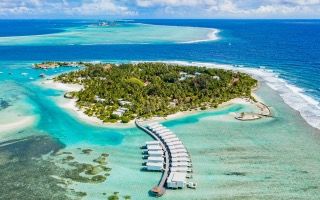
Beyond the ultra-luxury segment, resorts catering to families and mid-tier travellers are noticing behavioural shifts. Holiday Inn Resort Kandooma Maldives, for example, may sit within the four-star space, but its location in the Maldives – a destination deeply embedded in the luxury travel imagination – continues to attract strong interest from Indian travellers. Mark Eletr, General Manager of the property, notes, “Over the past few years, we have observed a trend toward more controlled and considered spending, with an increase in short-lead and last-minute bookings. Party sizes tend to be couples and small families, seeking a premium island experience that delivers strong value rather than overt opulence.”
Eletr compares the Indian traveller to other Asian markets. “By comparison, Chinese travellers are more focused on visually compelling, photography-driven experiences; Southeast Asian guests typically favour shorter, experience-led stays; while Middle Eastern travellers place a higher emphasis on space, privacy, and consistently high service standards,” he explains.
Eletr explains that preferences for family-oriented accommodation, multi-night stays, and culinary familiarity distinguish Indian guests: “Indian guests at Holiday Inn Resort Kandooma Maldives typically stay between three and five nights and show a strong preference for family-friendly accommodation, particularly inter-connecting Beach or Garden Villas, as well as our well-appointed Outerwear Villas. Culinary familiarity is important, with guests appreciating the availability of authentic flavours alongside international cuisine.”




Destinations That Resonate

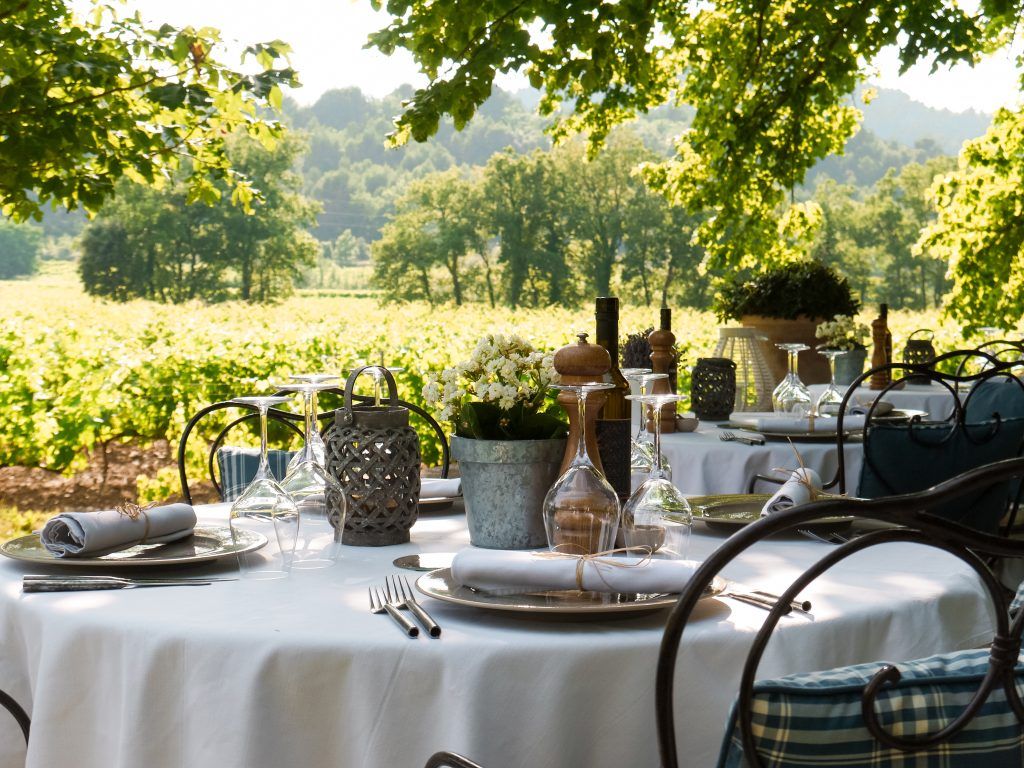
The appeal of certain destinations reflects both cultural affinity and aspirational values. Scott Dunn Private’s findings demonstrate that Europe remains the aspirational heart of India’s long-haul travel market. Mansha Channa, Private Relationship Manager, explains: “Europe remains the perennial favourite, with France, Italy, and Switzerland leading the way. These destinations hold deep cultural significance for Indian travellers, having been romanticised for decades in Bollywood cinema. From the lavender fields of Provence to the Swiss Alps and Italian Riviera, these locales represent the epitome of luxury, romance, and sophistication.”
Short-haul travel continues to grow in Southeast Asia, driven by accessibility, cultural familiarity, and wellness offerings. Channa observes, “Southeast Asian destinations, particularly Thailand and Bali, are seeing remarkable growth for shorter, high-frequency trips. The appeal is multifaceted: geographical proximity allows for long weekends and spontaneous getaways, while the region’s cultural familiarity and exceptional accommodation of dietary preferences (particularly vegetarian cuisine) make Indian travellers feel both comfortable and catered to.”
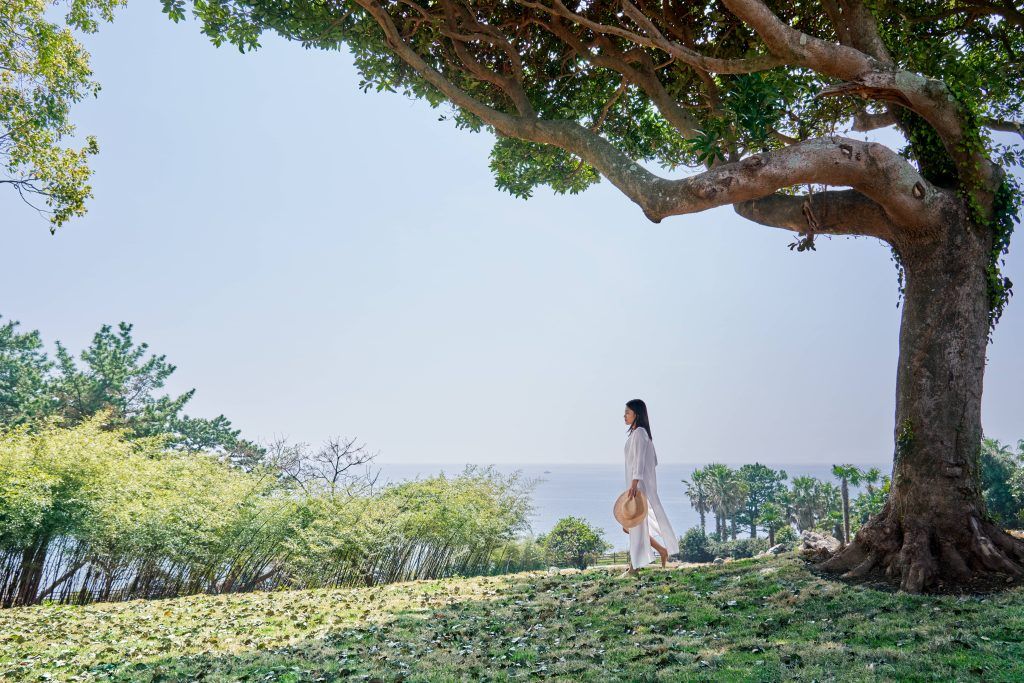
Japan has also emerged as an unexpected favourite thanks to its “unique blend of ancient tradition and cutting-edge modernity, alongside experiences that feel authentically enriching rather than purely hedonistic,” says Channa.
The UAE and Middle East continue to attract ultra-luxury travellers, influenced by high-profile events and celebrity endorsements. “The UAE and broader Middle East have experienced a surge in Indian ultra-luxury travel, driven partly by celebrity endorsements and Bollywood filming locations. The region’s opulent hospitality, world-class shopping, and cultural bridges make it particularly attractive for first-time luxury travellers,” Channa adds.
Traveller Profiles
Wellness has emerged as an essential pillar of India’s luxury travel landscape. According to Marriott International’s The Intentional Traveler report, Indian travellers are now takin an average of four international trips a year, with a noticeable shift.

58% of Indian travellers now cite mental or physical health as a key motivation for travel, while 48% seek a sense of complete restoration. Oriol Montal, Regional Vice President, Luxury, Asia Pacific (excluding China) at Marriott International, explains, “Luxury for Indian travellers today is defined by restoration, exclusivity, and wellbeing. 85% are looking to book a spa treatment during their vacations, while a variety of wellness offerings is a key destination driver influencing where they choose to go and how long they stay.”
Montal emphasises that Indian travellers are increasingly intentional: Across Marriott’s global portfolio, they have found that venture travellers – entrepreneurs looking for the next business opportunity – and wellness-focused travellers are shaping traveller profiles. “88% of affluent Indian travellers see researching or discovering potential business or investment opportunities as important to the choice of destination,” says Montal.


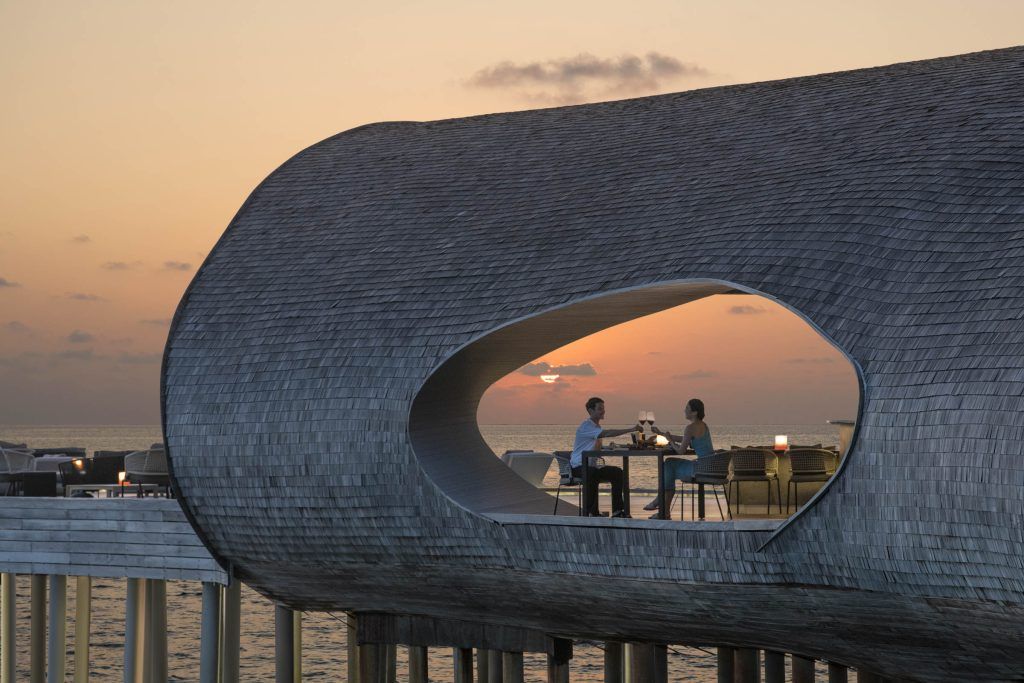
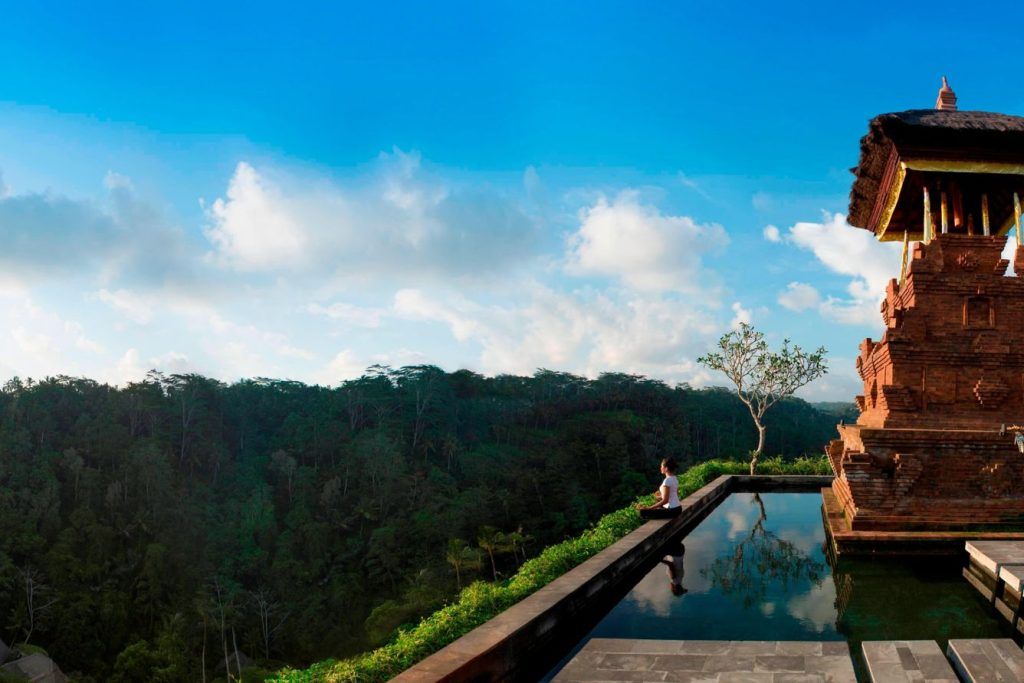



Niteesh Shakya, senior sales manager at Patina Maldives, further observes, “Indian ultra-luxury travellers are highly experience-driven. They seek bespoke itineraries, privacy, and meaningful personalisation. There is a growing interest in wellness journeys, destination dining, private excursions, and curated celebrations.” Shakya also notes the multi-generational trend: “Families often travel together, sometimes with companions or support staff, and value flexible accommodation options. We also see a strong preference for longer stays and multi-villa bookings for larger groups.”
Another big sector is the business traveller, which overlaps with the leisure traveller at times. Oriol Montal observes, “A defining characteristic of Indian outbound travellers today is the blending of business with leisure. 94% mix leisure with business on domestic trips, while 50% consider exploring business or investment opportunities a very important factor when selecting destinations.”
Culinary Expectations and Personalisation
Food remains a central component of the Indian travel experience. Smith of Minor Hotels explains, “Our culinary team understands India’s diversity and, through our talented chefs, offers familiar flavours and local cuisines, both vegetarian and non-vegetarian, at every Minor Hotels property.”
Catherine Hodoul-Baudry, senior head of sales and marketing at Le Bristol Paris, notes a shift towards personalised dining and event experiences: “We focus on highly personalised service for weddings, celebrations, and bespoke experiences, ensuring that every detail meets the high standards of our demanding clientele. Our goal is to anticipate every need and deliver an experience that feels both exclusive and authentically memorable.”
She further emphasises dietary awareness: “Our culinary offerings now include an expanded range of vegetarian options, reflecting the philosophy of Executive Chef Arnaud Faye, who places plant-based cuisine at the heart of his creations.”
At Marriott, Montal highlights how loyalty programmes are leveraged to personalise dining: “For Indian travellers with specific dietary requirements, such as a preference for vegetarian or Jain diets, our chefs can curate bespoke dining experiences that include regional Indian breakfast staples or a custom Masala Chai service, ensuring these comforts are available without the guest ever having to ask.”
Misconceptions and Market Nuances
Despite the rapid growth and sophistication of India’s outbound luxury market, many international tourism boards and hotels still hold outdated assumptions. Channa of Scott Dunn Private explains, “India’s extraordinary diversity is often underestimated. A traveller from Mumbai may have entirely different cultural references, culinary preferences, and travel expectations than someone from Delhi, Chennai, or Kolkata. A more nuanced, regionally-informed approach, rather than treating Indian travellers as a monolithic market, could unlock deeper engagement.”
Channa also highlights misconceptions around spending and group travel: “There’s sometimes a disconnect between perceived and actual purchasing power. India’s ultra-luxury segment possesses substantial disposable income and is increasingly comfortable with significant travel investment. These travellers are highly discerning: they seek clear value propositions and meaningful experiences that justify the expenditure.”
Private, curated experiences are now expected, she adds: “The assumption of preference for large group tours may be outdated, especially for multi-generational travel, which is common. Indian travellers value private, tailored experiences, flexibility, and guides who adapt to their family’s specific interests. The ability to accommodate dietary requirements seamlessly, respect cultural considerations, and create intimate experiences often matters far more than joining scheduled group activities.”
Montal notes similar trends: “One common misconception is that Indian travellers are predominantly cost-conscious. However, insights indicate that affluent Indian travellers are highly willing to invest in exceptional and purposeful experiences. 72% plan to increase their travel spending over the next year, and 37% are willing to pay extra for eco-conscious travel options.”
Milestones celebrations, whether anniversaries, weddings, or family reunions, are also reshaping hotel demand. Nicholas Smith notes, “Indian travellers increasingly look to host milestone celebrations and destination weddings abroad with family and friends. Resorts now offer villas and residences suited for families, with diverse, curated activities for collective or solo participation.”
Le Bistol Paris’ Hodoul-Baudry notes than Indian travellers are increasingly seeking “smaller, more exclusive celebrations with limited guest lists, which aligns beautifully with the possibilities offered by our elegant event rooms at Le Bristol Paris.”
Mark Eletr at Holiday Inn Resort Kandoom a Maldives adds nuance: “We have also noted an increase in travel linked to special occasions and celebrations, as well as clear peaks aligned with Indian school holidays and major Indian festivals, which continue to be important drivers of demand from this market.”
Sustainability, Digital Engagement, and Personalisation
Another emerging trend among Indian travellers is a strong focus on sustainability. Marriott International reports than 98% of Indian luxury travellers prioritise hotels demonstrating strong environmental practices, with 48% actively staying in eco-conscious resorts.
Digital engagement has also become a key factor in attracting Indian travellers. Channa observes, “As India’s affluent class expands beyond major metros, many travellers encounter global luxury brands first through digital channels. Indian travellers are remarkably digitally savvy and expect seamless, tech-enabled service; from intuitive booking platforms to culturally resonant social media content. Brands that create compelling digital experiences with relevant storytelling will shape positive first impressions that translate into lasting relationships.”
The Indian luxury traveller is redefining global tourism, moving beyond mere opulence toward purposeful, culturally immersive, and wellness-oriented experiences.
Scott Dunn’s Channa adds, “Ultimately, these travellers return home seeking transformation. They want experiences unavailable in India, knowledge they couldn’t gain elsewhere, and perspectives that broaden their worldview and provide meaningful enrichment.”
BurdaLuxury’s Lens
The Indian outbound luxury travel boom represents a convergence of affluence, aspiration, and intentionally. Unlike mass-market travellers, India’s new luxury segment is not simply chasing Instagrammable moments or opulent consumption. They are pursuing curated experiences that blend personal growth, wellness, and cultural immersion.
Destinations that succeed will do so not by providing generic luxury, but by understanding the nuanced regional, cultural, and generational differences that shape Indian preferences. Hospitality brands must anticipate dietary, family, and wellness needs, and integrate sustainability authentically, and leverage digital tools to provide seamless, anticipatory service. Multi-generational travel, private access, and bespoke experiences are not trends – they are expectations.
The lesson for global tourism is clear: India is no longer a secondary or emerging market. Its outbound luxury travellers are a sophisticated, high-value, and growth-oriented audience that will define global hospitality trends for the next decade. The destinations, hotels, and experiences that understand this will not only capture market share – they will help shape the very notion of what luxury travel means in the 21st century.