


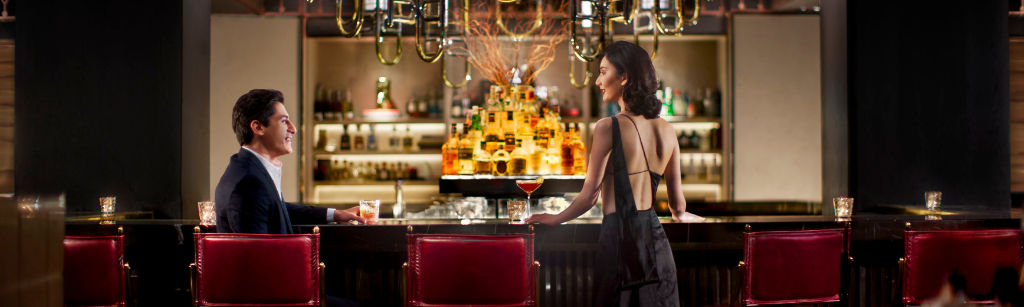
Sitting in a bar in Hong Kong these days, you’ll notice something remarkable: the back bar no longer feels like a European export showcase. Instead of aisles dominated solely by Scotch, Cognac, or London-dry gins, you’ll find local brands like Peddlers Gin from China next to Two Moons, NIP Tea Gin, and even boutique whiskies inspired by Southeast Asian botanicals. This evolution – from imported dominance to local pride – reflects a seismic shift in Asia’s spirits ecosystem.
Graphs from market analysts show that the Asian spirits market is booming, with total spirits revenue in the region expected to reach around US$312 billion in 2026 and continue growing annually, driven in part by rising interest in locally produced and culturally resonant products. What was once a niche curiosity – craft bottles hidden behind global brands – has become a statement of identity, experience, and cultural resonance.
Forging Identity: Tradition Meets Innovation
Asia’s homegrown distillers have taken a nuanced path. Unlike early adopters who simply mimicked European masters, today’s trailblazers acknowledge classic benchmarks but also deeper questions about identity and context.
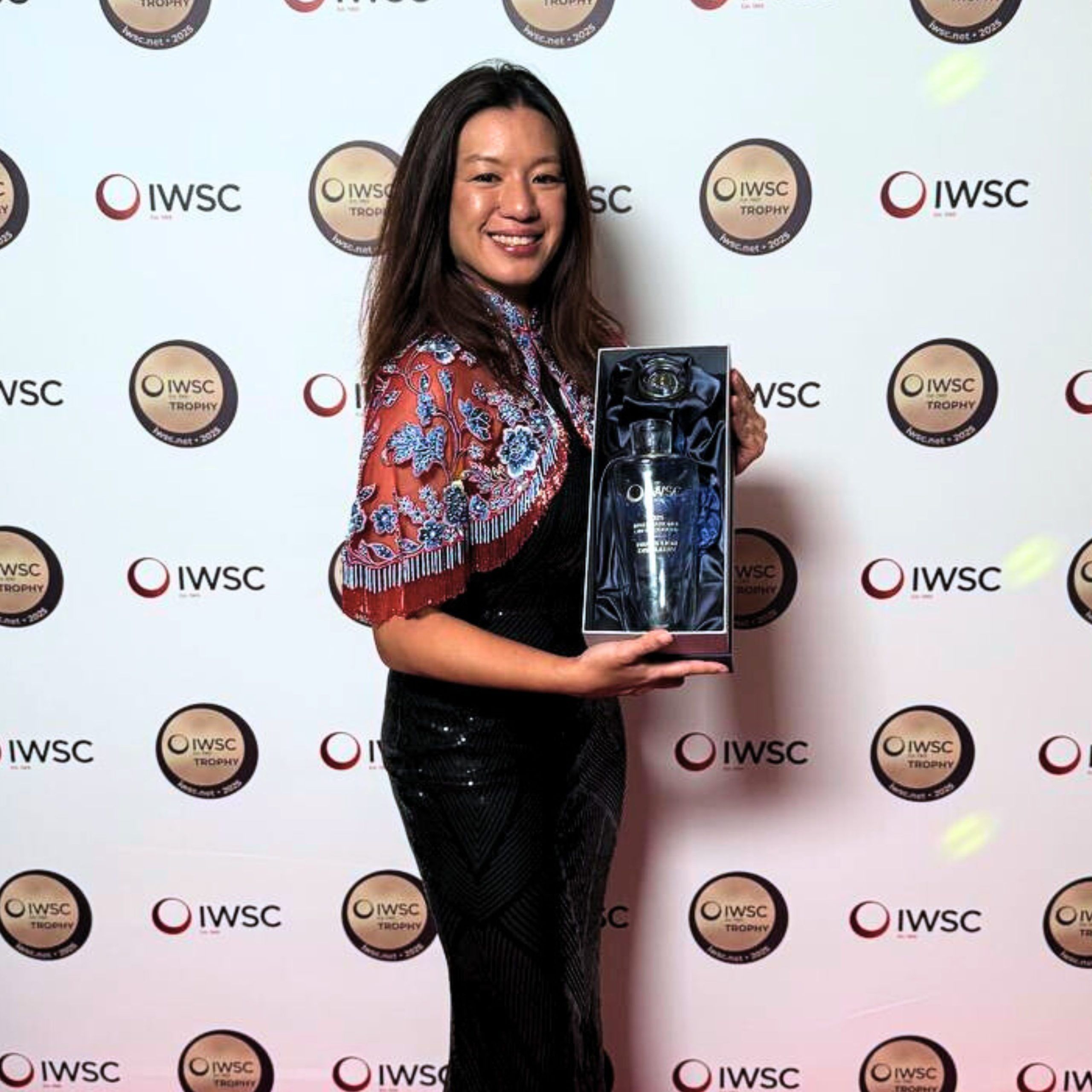
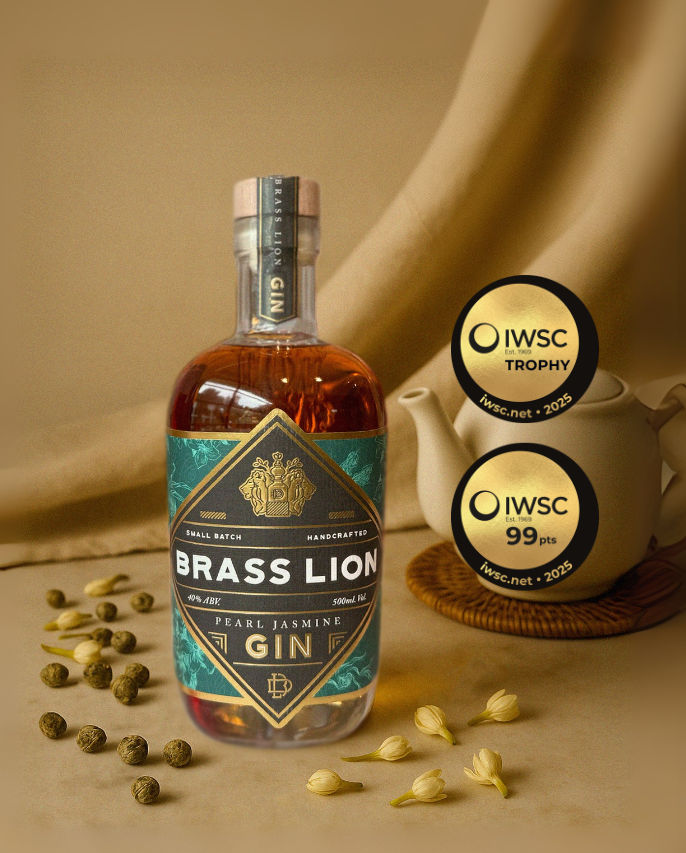
In Singapore, Brass Lion Distillery takes that heritage and reframes it. Founder and Managing Director, Jamie Koh says, “We have always believed that tradition must first be understood before it can be meaningfully reinterpreted. European distillers have refined their craft over centuries, and that history sets the benchmark.”
The distillery’s founders spent years studying European methods – not to copy, but to learn. Afterwards, their focus shifted: how might a gin taste when distilled in the tropics, influenced by humidity, heat, and Southeast Asian botanicals? Their Singapore Dry Gin and aged spirits are the embodiment of that question – local flavour layered onto a respected structure.
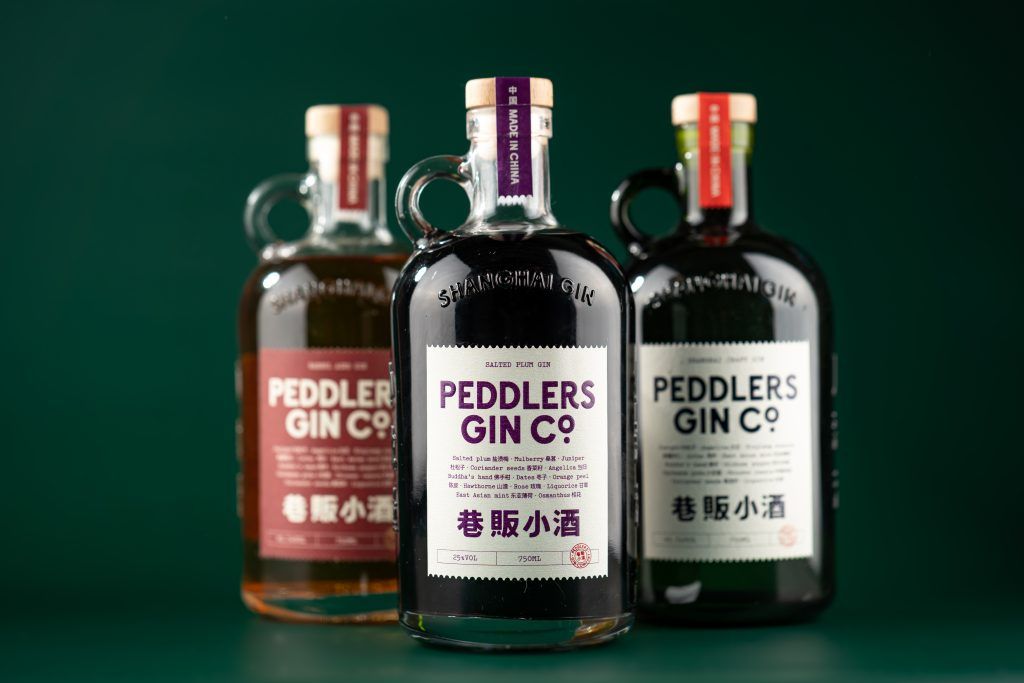
In Shanghai, Peddlers Gin expands this philosophy into a distinct Chinese context. Rio Liu, Chief Commercial Officer, explains that creative ambition drove their departure from strict European emulation. “We consciously departed from the idea of pure emulation, recognising that long-term competitiveness is driven by creativity and disruption innovation,” he says. “We maintain traditional methods but infuse innovation through our use of indigenous Asian botanicals.”
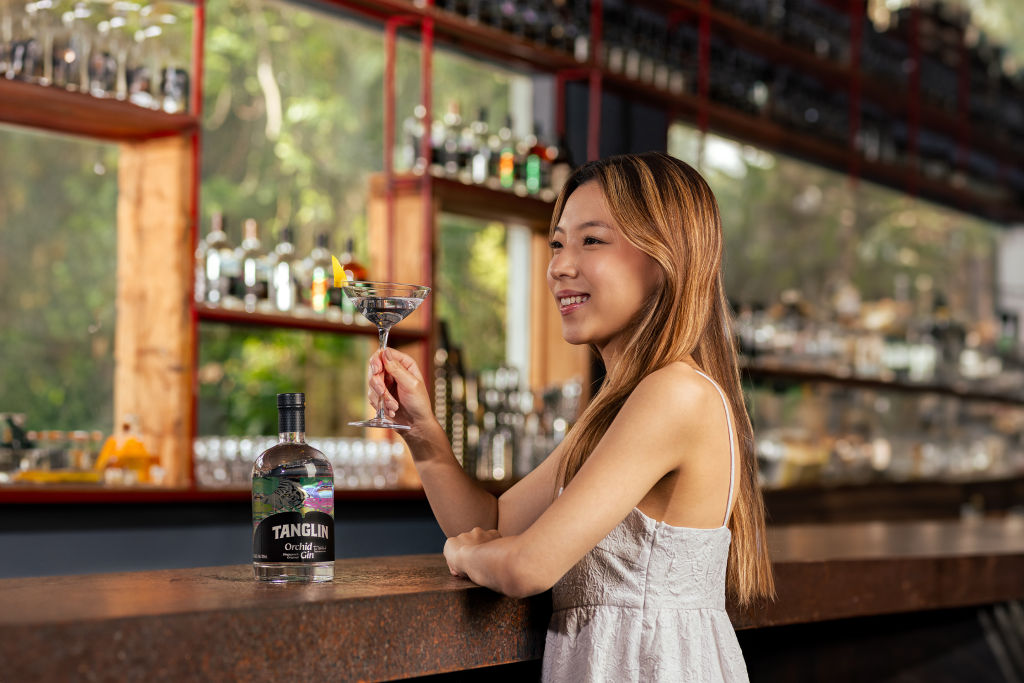
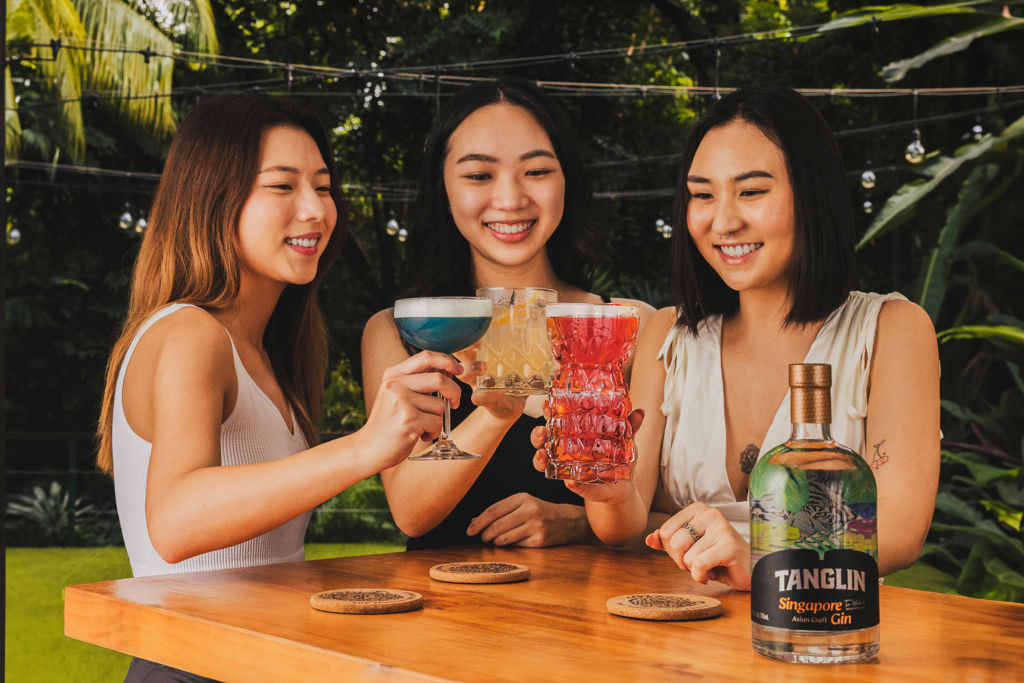
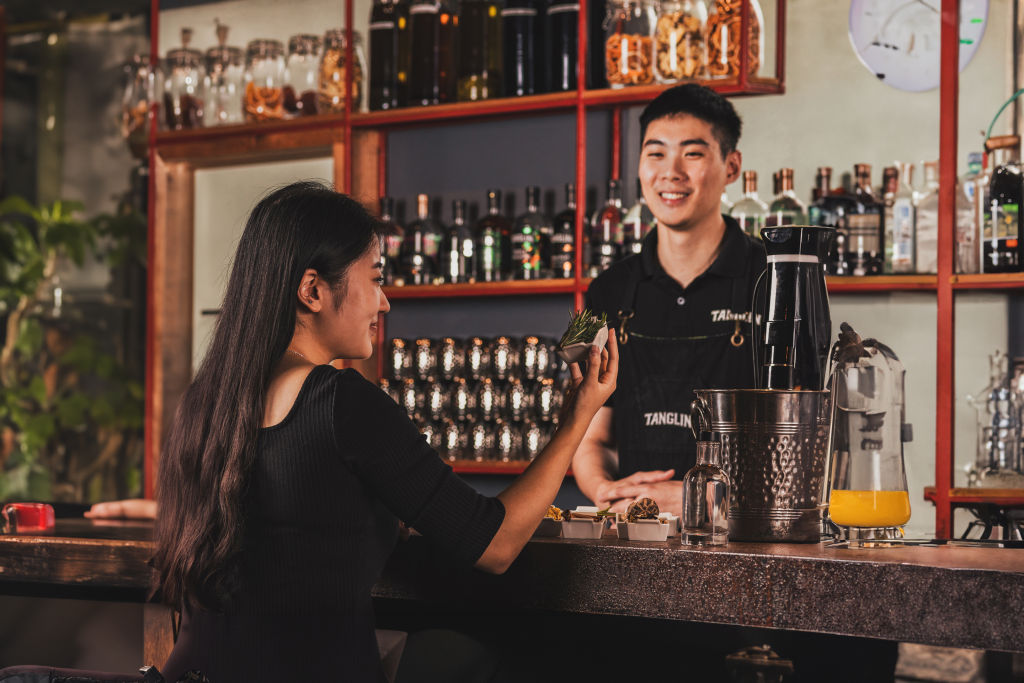
Singapore’s Tanglin Gin blends tradition with precision, using modern technology to elevate regional botanicals. General Manager Tyler Hendrie says, “Our approach is not to reject [European tradition], but to build on it, combining traditional methods with precise technological control.”
This positions Tanglin as both globally competent and regionally expressive – a duality essential for Asian brands seeking global relevance without losing local soul.
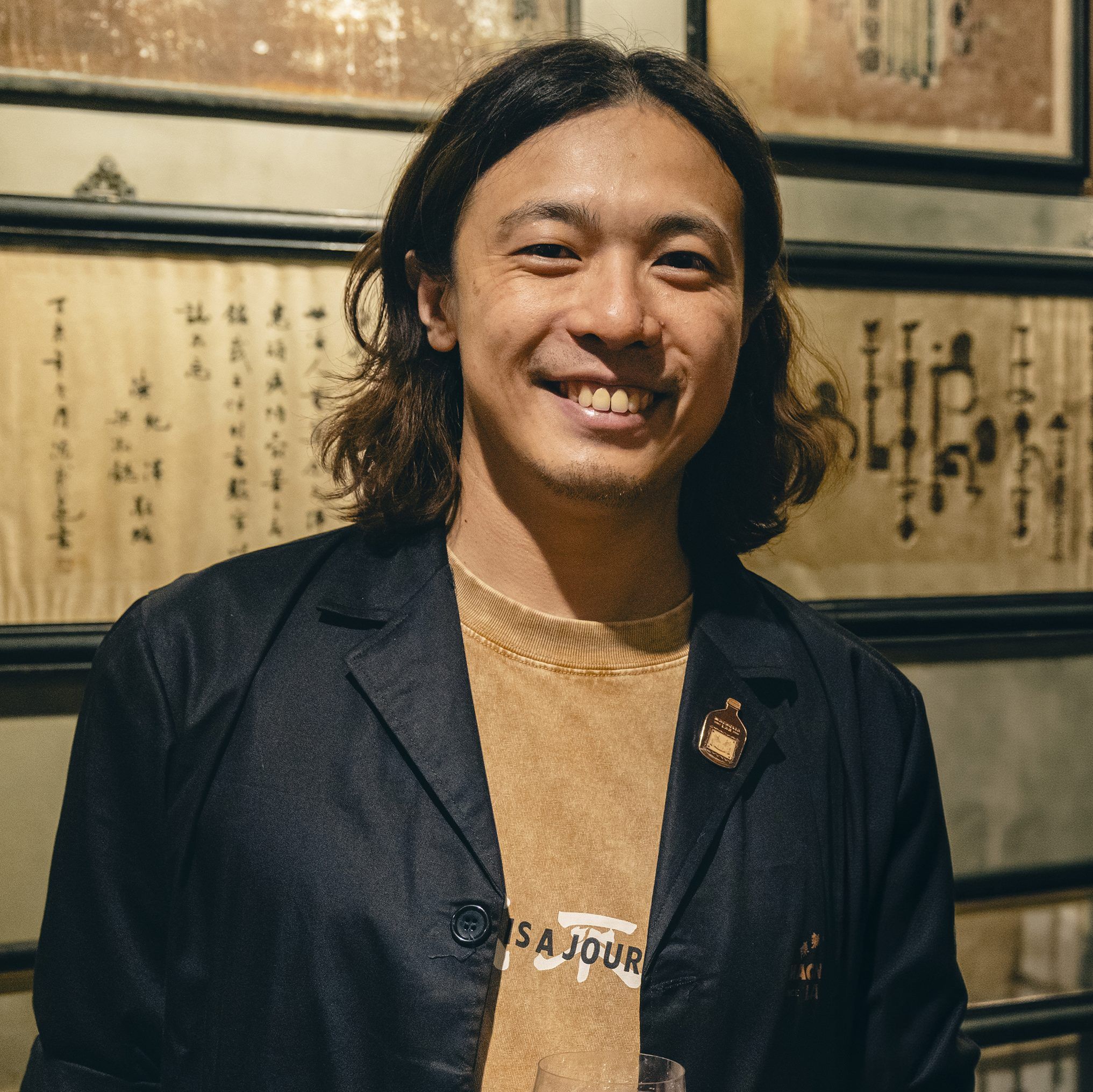
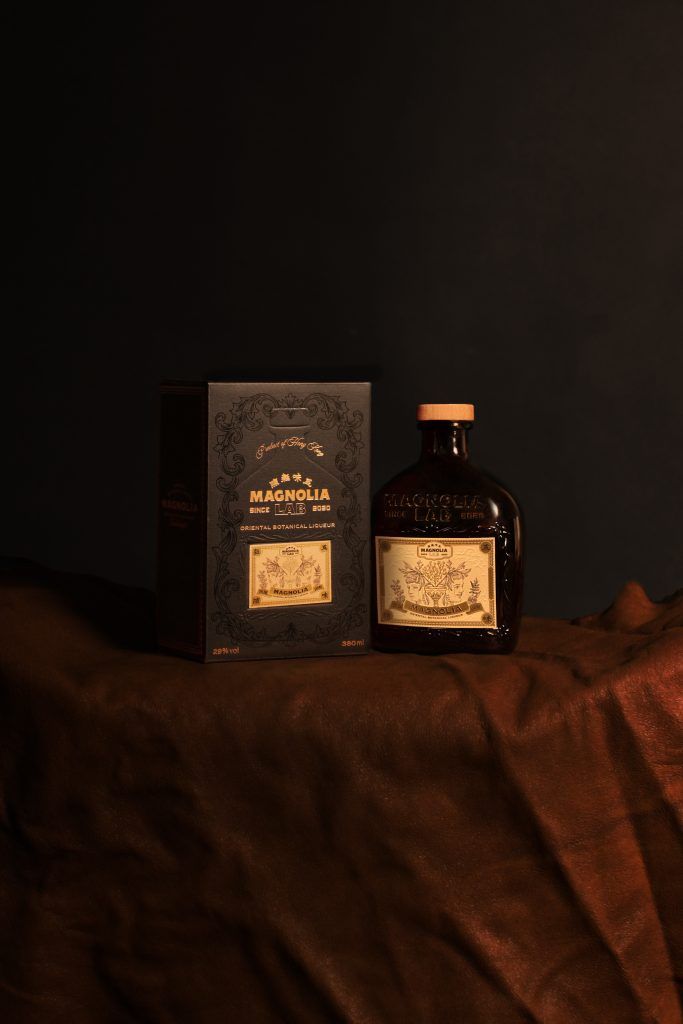
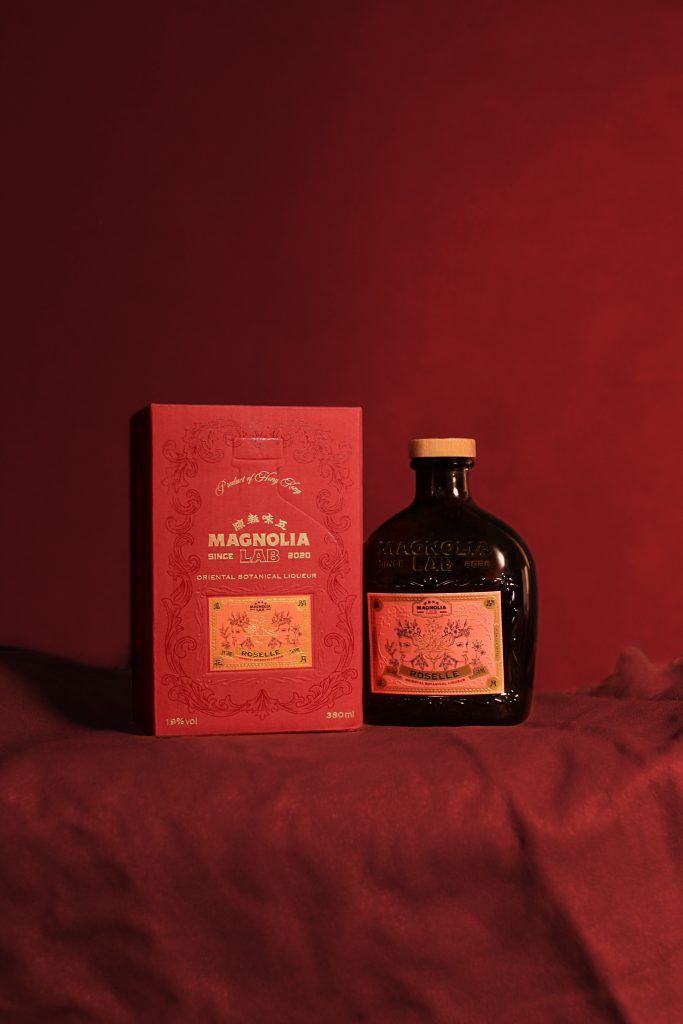
Hong Kong-based Magnolia Lab emphasises narrative as identity. “My goal wasn’t simply to emulate or rebel against the Western model; rather, I learned from their success,” explains co-founder Dennis Mak. “I studied how these brands became relevant both locally and globally by authentically sharing their own heritage.” For Magnolia Lab, heritage is currency – and storytelling isn’t an afterthought; it’s the medium through which identity travels.
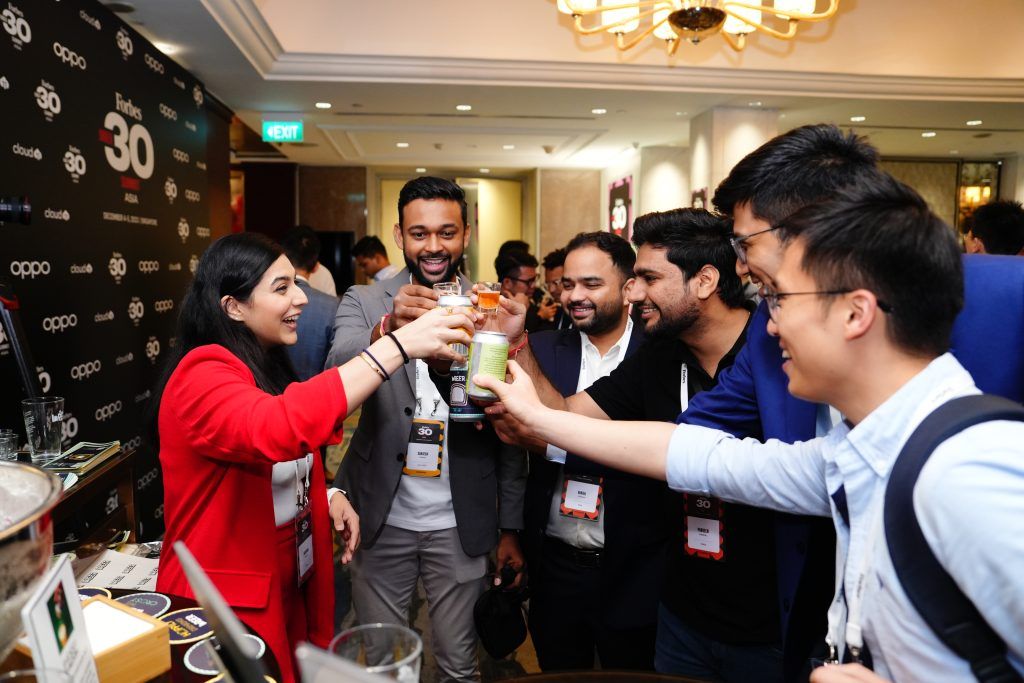
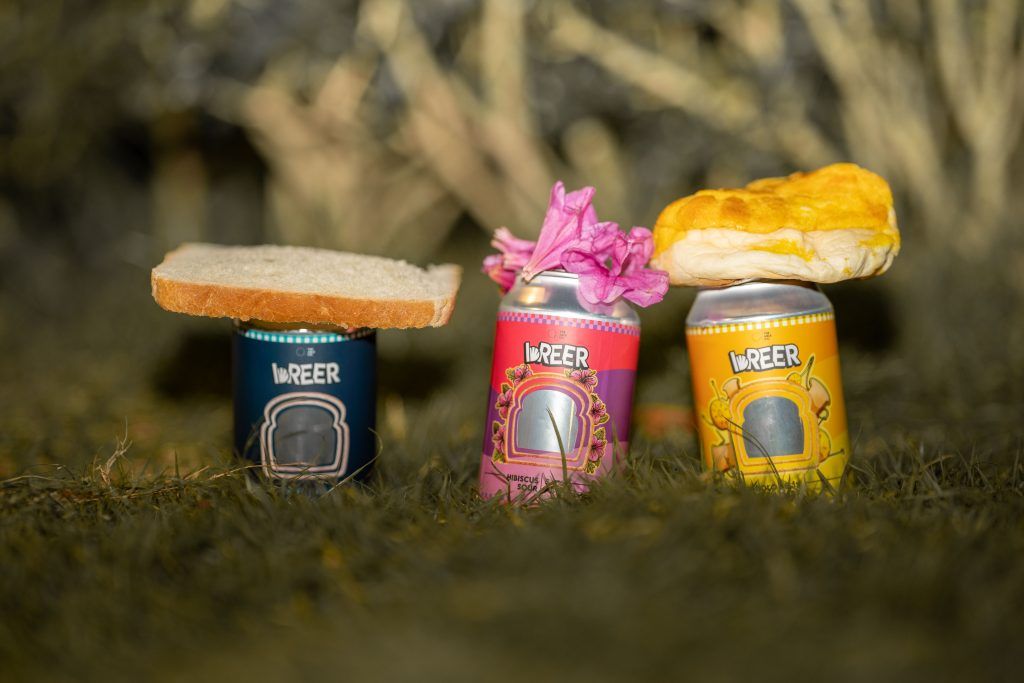
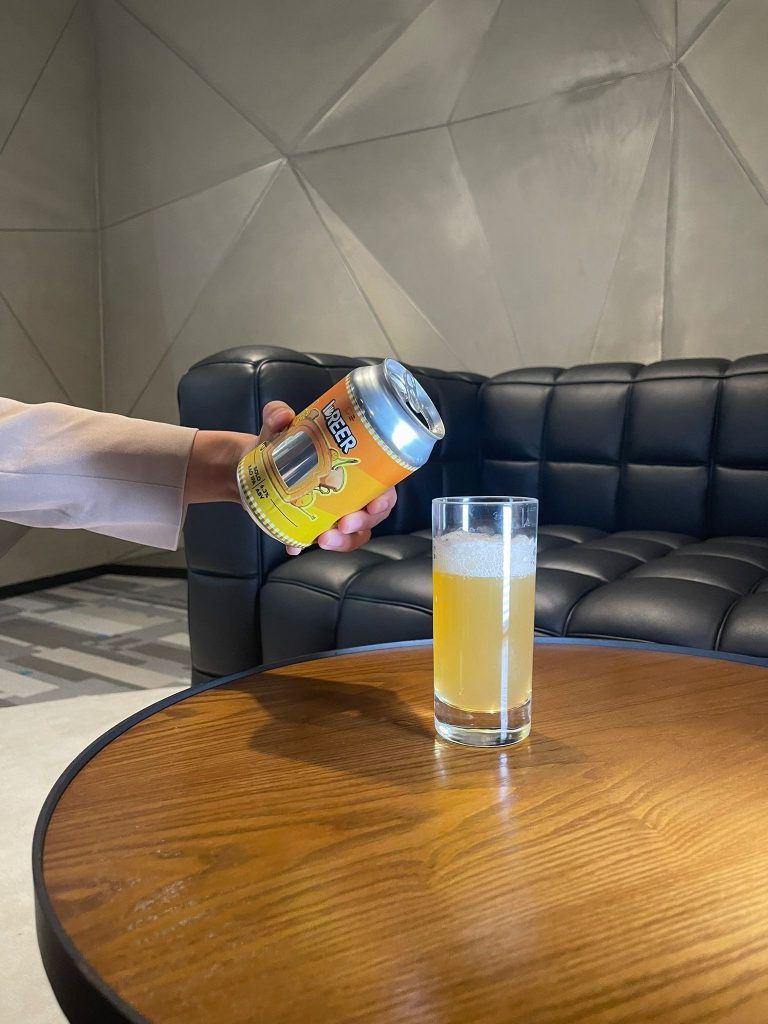
Sustainability is no longer an afterthought in Asia’s cocktail scene – it is increasingly part of a brand’s identity. Breer Limited, for example, is a start-up that transforms surplus bread into craft beer. “I thought that food wastage happens after food is produced and ready for selling, but I quickly realised that unfortunately, food wastage happens across the supply chain – even from the earliest stages of curating food and beverage options,” the company’s CEO, Anushka Purohit reflects. While Breer isn’t a spirits brand, it plays a crucial role in Asia’s homegrown F&B ecosystem, supplying sustainable, circular solutions that bartenders and distillers can incorporate into their programmes. Hong Kongers are particularly receptive when sustainability is paired with quality and convenience – a principle now guiding premium spirits makers, and subsequently, bars – across the region.
Terroir as a Signature
The idea of terroir – long central to wine – is now transforming how spirits are crafted in Asia.
Singapore’s tropical humidity can change the flavour. “For aged spirits, like Brass Lion Single Malt Whisky or Brass Lion Barrel Aged Gin, heat and humidity accelerate the interaction between spirit and barrel, leading to faster development of complexity and depth,” says Koh. “Rather than viewing this as a constraint, we see it as a defining characteristic of our terroir.”
Peddlers Gin’s Liu spent nearly a year traversing China’s biodiverse landscapes to find botanicals that reflect regional identity. “It took almost a year of recipe development,” he explains. “Years later, that has really paid off – global understanding of Chinese cuisine and ingredients is growing, and most importantly, the curiosity people have for a gin as unique as ours couldn’t be higher.”
This aligns with broader data showing Asian consumers increasingly value local spirits – and bartenders in cities like Tokyo, Singapore, and Seoul are integrating these profiles into menus that encourage exploration.
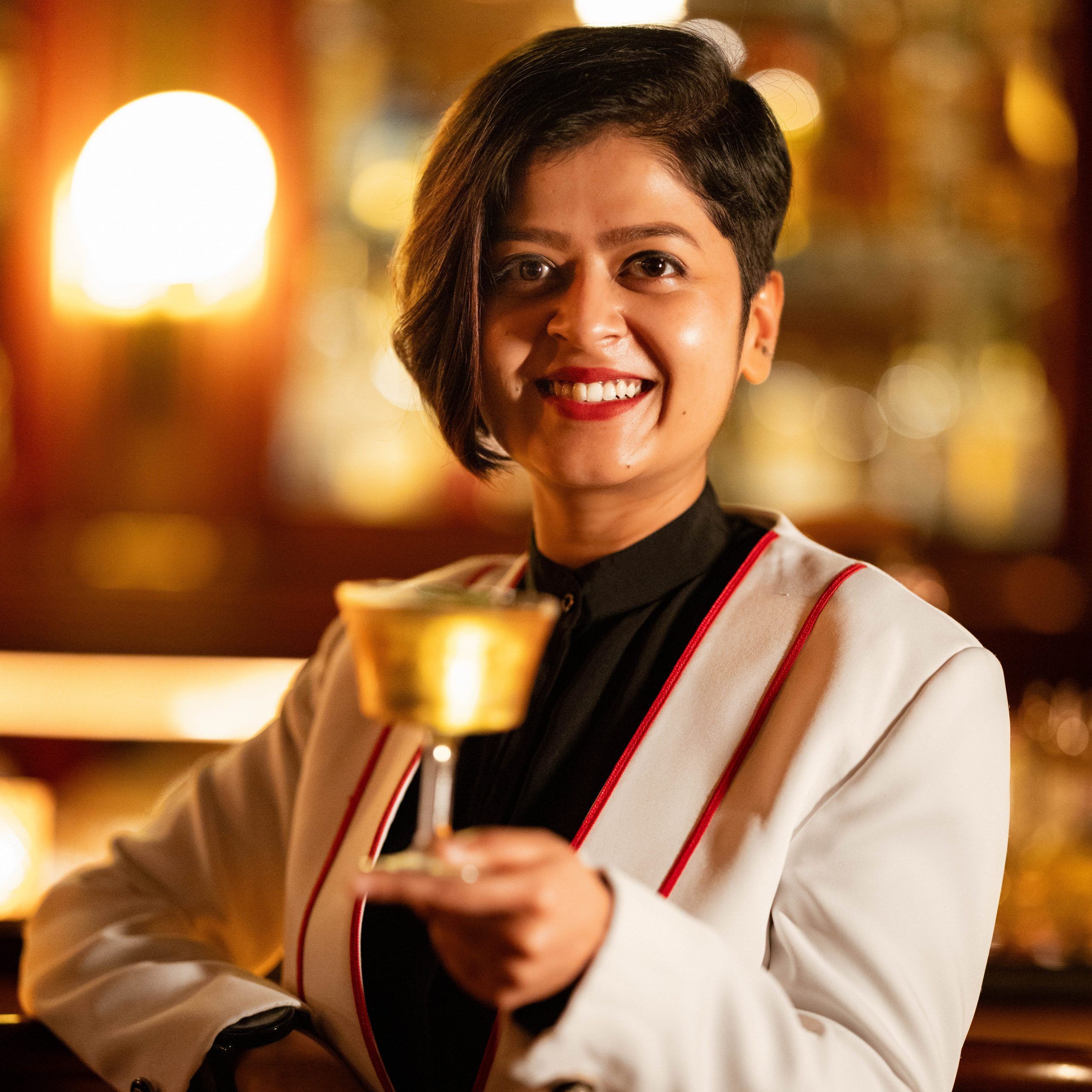
At ZLB23 bar in Bangalore, Suchi Row Chowdhury observes that “Asian craft spirits allow us to connect each drink to a specific place, culture, and artisanal process, which resonates deeply with the clientele and the city’s growing appreciation for authentic, craft-driven experiences.”
This reveals how terroir isn’t a marketing tagline; it’s a creative driver that deepens engagement and gives guests a sense of place in every sip.
Design, Storytelling, and Authenticity
In Asia’s spirited renaissance, identity isn’t just liquid – it extends into packaging, narratives, and design language that tell a brand’s cultural story.
“Design and storytelling should amplify what is already true; they should never compensate for what is lacking,” says Koh.
Many early Asian craft spirits leaned on aesthetic mimicry of European classics. Brass Lion’s philosophy flips that script – aesthetics must grow organically from the product’s roots.
Liu agrees, adding, “There is no doubt that good storytelling and beautiful package design help people understand that this is a unique product and help them place the flavours. We want to use our brand to show a lesser-told story of China, the incredible biodiversity in ingredients, the cutting edge of Shanghai’s nightlife, the energy of cocktail bars and creative drinks that we are surrounded by here in our home city, but at the end of the day it’s our liquid that really matters, because we’ve managed to bottle all of that.”
This reflects broader consumer trends: premiumisation isn’t solely about price; it’s about authentic experience. Magnolia Lab reinforces this balance between substance and narrative. “Elements like bottle shape, label design, and narrative are simply different mediums used to amplify and translate that central message,” says Mak. “You only have to worry about ‘balancing’ authenticity and aesthetics if the two are disconnected. If the design is born truly from the spirit’s heritage, they don’t compete; they reinforce one another.”
The insight is clear: design and story are extensions of authenticity, not substitutes for quality.
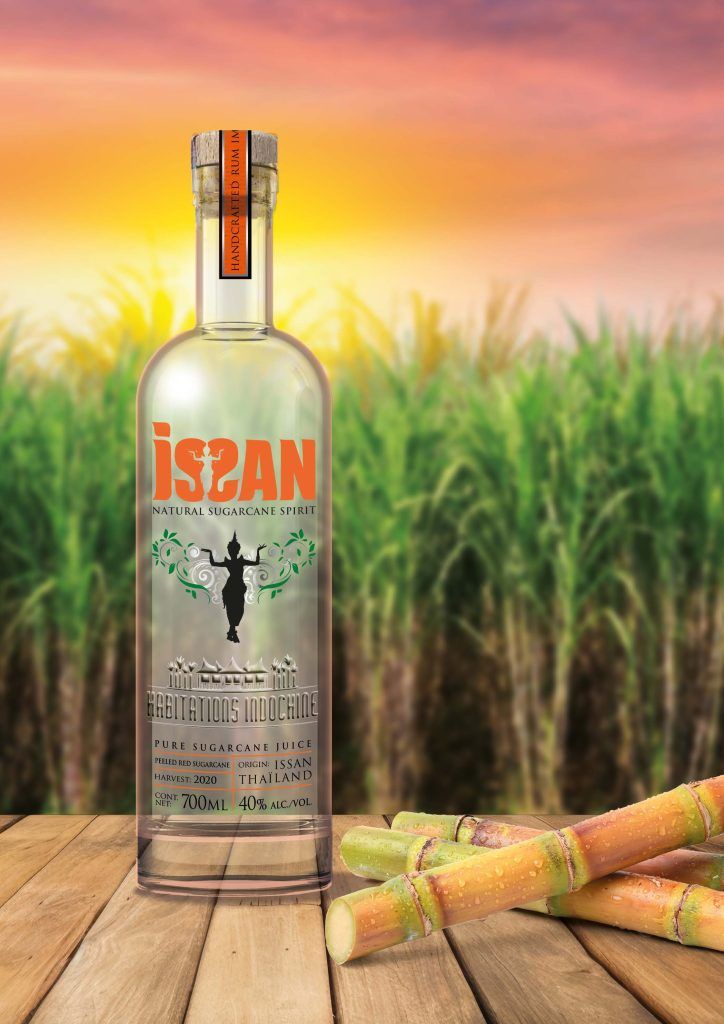
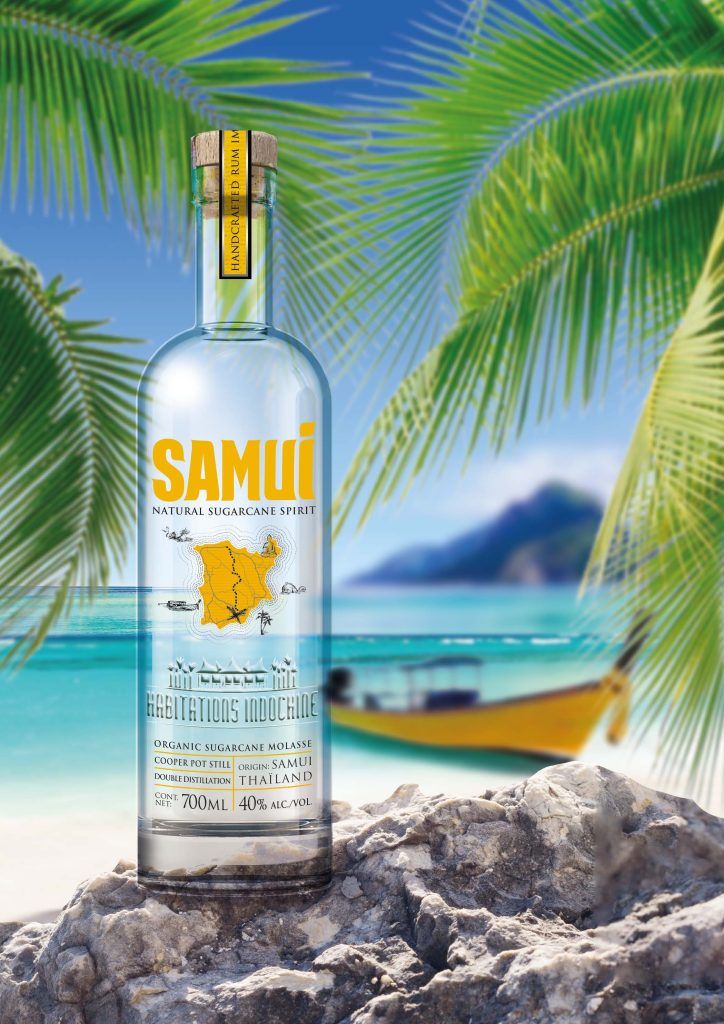
“We don’t build artificial storytelling or marketing narratives; we simply share and promote our real story, the fields, the people, the manual craft, the heritage we’re carrying forward,” says David Giallorenzo, Founder of Habitations Indochine, Issan Rum, Samui Rum. “Authenticity comes first; the rest flows naturally from that.”
Cocktail Culture: A Catalyst
Cocktail culture is the great amplifier of Asia’s craft spirit evolution. In urban centres, bars are both laboratories and launchpads for regional flavours.
Hong Kong, for example, was known for traditional favourites – now the bar scene actively primes consumers for discovery. It’s evident that cocktail culture isn’t just about consuming products; it’s shaping preferences.
Quinary, one of the city’s longstanding cocktail bars, has always integrated local ingredients into its creations. Antonio Lai explains how “these days, guests have grown more discerning, favouring specific brands and seeking out the latest niche releases. It’s really rewarding to see them engage so deeply with local producers and show such strong support.”
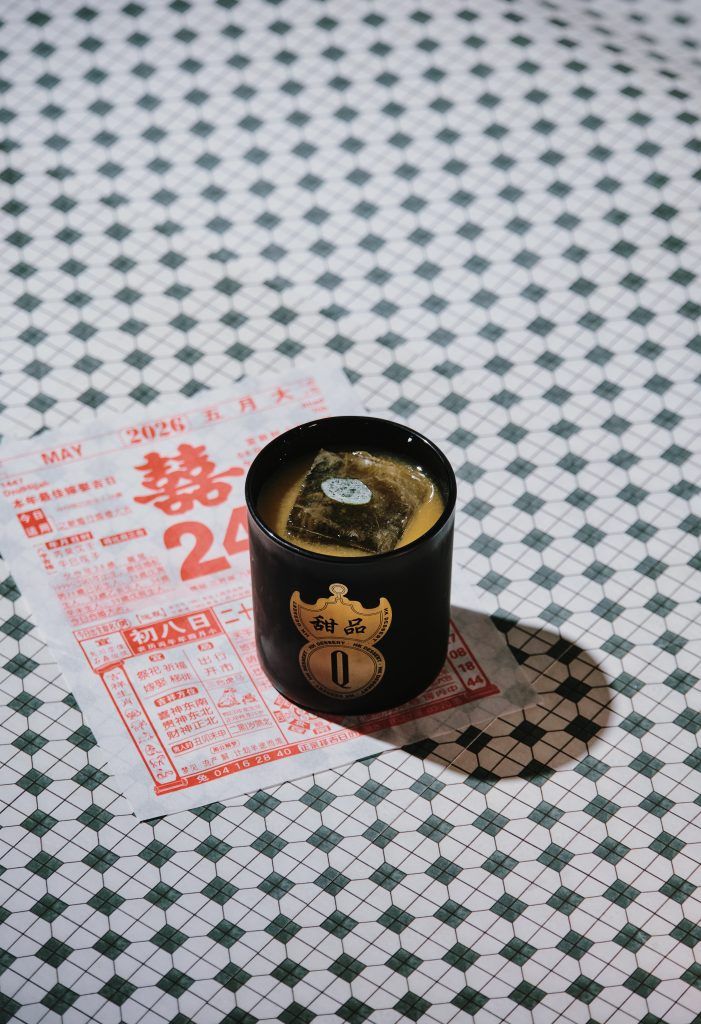
Across the Asia-Pacific region, the cocktail market continues to grow strongly. Short, spirit-forward drinks like martinis and old fashioneds – often built on artisanal gin or local spirits – are projected to grow at a 10.7% CAGR between 2026 and 2034, reflecting a broader interest in premium cocktails and experiential drinking.
It stretches beyond flavour – it’s about dialogue. Spirits that spark conversation are more likely to be remembered, shared, and recommended.
Samuel Kwok of The Opposites in Hong Kong appreciates how surprise and curiosity play out at the bar. “Locals are pleasantly surprised to find Hong Kong-made labels on the menu, while international guests often get intrigued when they come across brands they’ve never seen before,” he says. “It always brings great conversations at the bar.”
In Jakarta, Paulo Naranjo of St. Regis Bar emphasises the importance of emotional connection. “Guests love that balance of something new but still comforting and relatable,” he says.
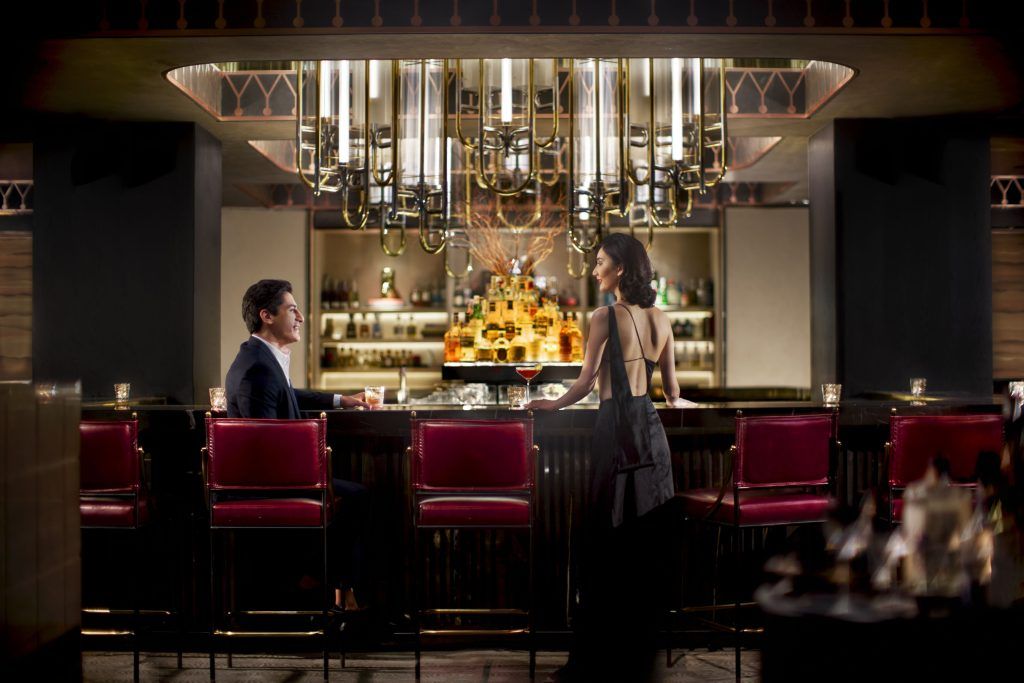
This duality – novelty with familiarity – is a hallmark of successful craft spirit integration. Marco Dongi of Bar Sathorn in Bangkok echoes this. “Thai customers feel proud to see their ingredients represented in a refined cocktail context, while international guests are actively seeking something they cannot experience elsewhere,” he explains.
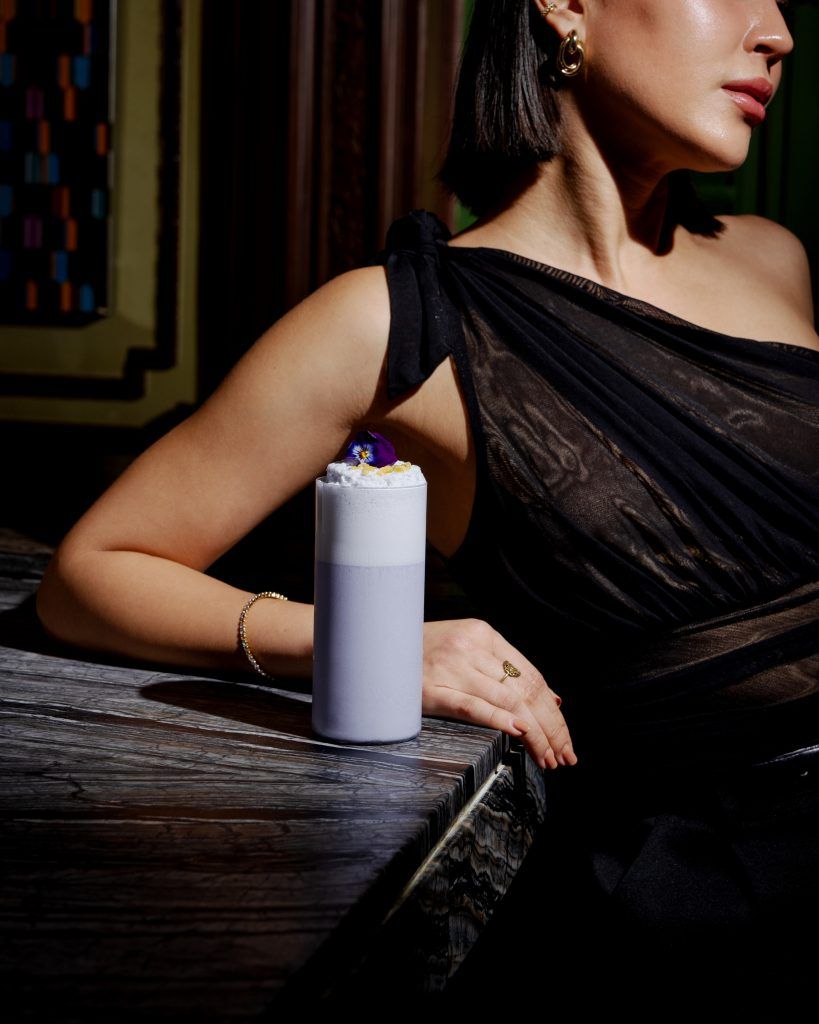
This cultural resonance underscores how cocktail programmes evolve to celebrate place rather than just technique.
Challenges: Credibility, Distribution, and Scaling
Even with enthusiasm and innovation, challenges remain. Many distilleries face structural hurdles around distribution and scale.
Brass Lion Distillery shares an industry reality. “Recently, our exclusive Singapore distributor entered liquidation, causing a huge disruption for our brand,” Koh explains. “It served as a reminder that distribution is not merely logistical; it is built on stable, aligned partnerships capable of stewarding a premium brand over time.”
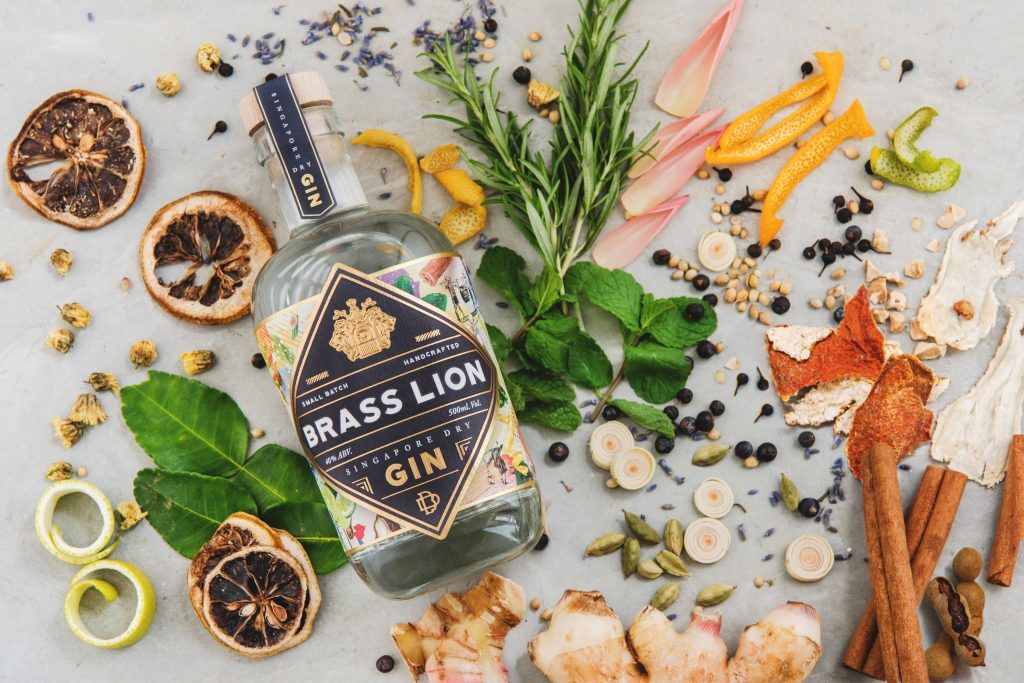
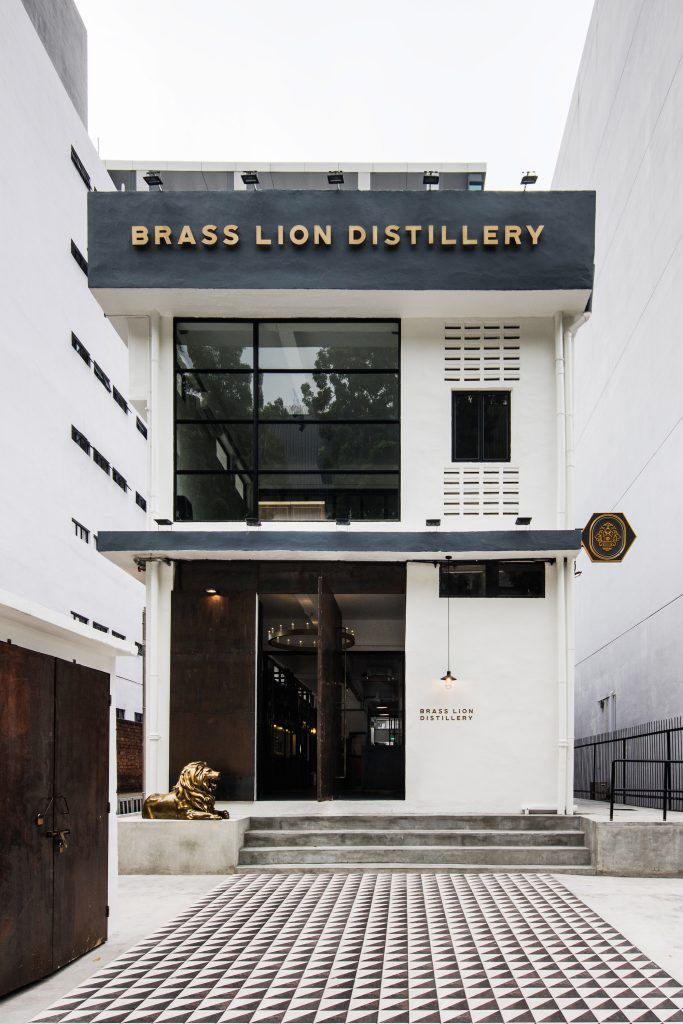
Distribution remains a critical bottleneck for craft brands.
Tanglin Gin’s Hendrie agrees. “Distribution is critical,” he says. “The right partners act as advocates, connecting producers to outlets and ultimately to consumers. Strong distribution channels often matter more than awards or the ‘craft’ label alone.”
Magnolia Lab’s Mak frames the issue around vision alignment. “The real difficulty lies in finding partners who truly align with the founding team’s vision,” he says. “It’s not just about moving boxes; it’s about finding a custodian for the brand who understands the story we are telling.”
Giallorenzo says that distribution is, in fact, the toughest hurdle for niche premium brands. “Very few distributors are interested in carrying small, artisanal products; they prefer the volume and margins of major imported labels,” he says. “Those same big players also shape demand by controlling bar partnerships, events, and the overall ecosystem in Thailand’s cocktail scene. Scaling while preserving our craft integrity is challenging but doable; the real bottleneck remains getting our bottles into the right hands and onto the right backbars.”
Looking Ahead: From Niche to Norm
Despite structural challenges, momentum is rising. ZLB23’s Chowdhury sees a broader shift, with homegrown spirits moving from niche offerings to staple menu items. “Ultimately, it depends on how we market these products and, most importantly, how successfully we showcase their distinctive flavours within a cocktail,” he says. “When a local spirit becomes the undeniable star – delivering an experience you simply cannot replicate – it transcends novelty. That’s when it becomes an essential part of the cocktail cannon, for both bartender and guest.”
Paul Naranjo agrees that quality and education will normalise local spirits, but not replace the classics. “As quality keeps improving and guests become more educated, local spirits won’t feel ‘alternative’ anymore,” he says. “They’ll just be another great option. The more exposure they get, the more normal it becomes to see them as part of everyday drinking and culture.”
Dongi sums up the regional arc. “The direction is clear: local craft spirits are no longer niche curiosities. They are becoming part of the global conversation,” he says.
This evolution – from niche to mainstream – is supported by broader industry data: premium spirits categories for over 2.1 billion litres sold globally, with craft and regional brands contributing significantly to innovation and diversity.
BurdaLuxury’s Lens
Asia’s homegrown spirits reflect a region coming into its own – blending heritage and innovation, local flavour and global ambition. These spirits tells stories that travel with every pour, every cocktail, and every conversation. From Singapore’s humidity-induced barrels to Shanghai’s botanical expeditions, from Hong Kong’s cocktail culture to Bangkok’s culinary reinterpretations, this is Asia’s moment to redefine what premium means.
The movement also signifies a broader industry truth: consumers today want authenticity, meaning, and narrative, not just imported labels. As premium markets continue to grow and diversify, Asian spirits won’t just participate – they will lead.
And the world is taking notice.